In 2025, the momentum behind robotic-assisted surgical systems continued to accelerate on the back of increasing demand for minimally invasive procedures. In many parts of the world, these technologies are reshaping surgical procedures by improving precision and efficiency through high resolution imaging, AI and refined instrument control. This is resulting in fewer complications, faster recovery and improved patient outcomes.
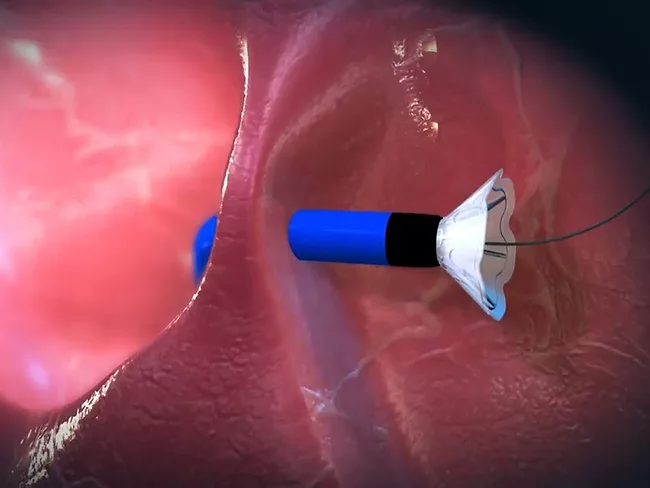
A U.S. FDA advisory panel voted unanimously against approving Johnson & Johnson’s V-Wave Ventura shunt for heart failure patients not helped by medications. The circulatory panel voted emphatically 15-0 against use of the shunt for heart failure patients not helped by medications based on effectiveness and its benefit-risk profile. On the question of safety, the panelists did vote 9-6 in favor of the device.
Breaking up isn’t so hard to do, it seems. Just two years after spinning off its consumer products as Kenvue Inc., Johnson & Johnson aims to part ways with its orthopedics unit, which will take up the Depuy Synthes name first created when Synthes Inc. married into the J&J Depuy ortho unit in 2012 for a tidy sum of $19.7 billion. Depuy was itself acquired in 1998.
Breaking up isn’t so hard to do, after all. Just two years after spinning off its consumer products as Kenvue Inc., Johnson & Johnson aims to part ways with its orthopedics unit, which will take with it the Depuy Synthes name first created when Synthes Inc. married into the J&J Depuy ortho unit in 2012 for a tidy sum of $19.7 billion. Depuy was itself acquired in 1998.
Johnson & Johnson beat analysts’ expectations for its second quarter results, led by medical device sales of $8.54 billion. All med-tech segments performed better than anticipated, with cardiology reporting exceptionally strong 22.3% growth. In addition, the innovative medicines division shocked the Street with 4.9% growth, despite the loss of patent protection for the blockbuster drug, Stelara.
Johnson & Johnson beat analysts’ expectations for its second quarter results, led by medical device sales of $8.54 billion. All med-tech segments performed better than anticipated, with cardiology reporting exceptionally strong 22.3% growth. In addition, the innovative medicines division shocked the Street with 4.9% growth, despite the loss of patent protection for the blockbuster drug, Stelara.