Freenome Holdings Inc. reported it is going public via a special purpose acquisition company. The company said it expects to raise $330 million, which it plans to use for the 2026 launch of its blood-based screening tests for multiple cancers. Backed by an affiliate of Perceptive Advisors - Perceptive Capital Solutions Corp. (PCSP) – and joined by RA Capital, the arrangement includes a commitment of $240 million in equity investments plus about $90 million more held by the SPAC’s trust fund. Other notable investors, including ADAR1 Capital, Bain Capital Life Sciences, and Farallon Capital Management have signed on to participate in the deal.
Abbott Laboratories made plans to enter the cancer screening market with its reported acquisition of Exact Sciences Corp. The deal will pay Exact Sciences shareholders $105 per share in cash, a nearly 50% premium to Exact’s unaffected share price on Nov. 19. That represents a total equity value of approximately $21 billion and an estimated enterprise value of $23 billion.
Exact Sciences Corp. rolled out its multi-cancer early detection test nationwide to expand screening and identify malignancies when treatment has the greatest chance of being curative. Cancerguard can detect signals for cancers accounting for more than 80% of all cancer diagnoses in the U.S. each year.
With an at least $60 billion total addressable market, the liquid biopsy sector offers abundant opportunity for multiple companies to swim to the top. The six largest companies in the pool have just dipped their toes in the water, with a total penetration of only 10%, a white paper from RBC indicates.
Finding an effective medication for patients with major depressive disorder is notoriously difficult, with 70% of patients failing to respond to the first drug prescribed and 30% not responding to the first four medications. Complicating matters, genetic mutations can increase psychotropic drug-related adverse events, including hospitalizations. A recent study indicates Myriad Genetics Inc.’s Genesight test can help minimize the risk of these negative events, with a reduction of nearly 40% in psychiatric-related hospitalizations and prescription of medications with significant gene-drug interactions.
Ravgen Inc.’s patent litigation strategy could add another $100 million to the company’s coffers, assuming enhanced damages in its suit against Laboratory Corp. of American Holdings (Labcorp) awarded on May 12 are sustained on appeal. The additional damages are on top of the $272.5 million awarded in September for “egregious” violations of Ravgen’s patents on non-invasive prenatal testing methods.
Precisedx Inc.’s digital artificial intelligence (AI) platform better predicts the recurrence of early-stage breast cancer within six years than traditional testing, a study published in Breast Cancer Research found. Understanding which patients with early-stage disease face significant risk of their cancer returning is important for guiding selection of treatment. The system reduces the variability inherent in histological characterization and grading of breast cancer (BC) today, thereby improving prognostic accuracy.
Makers of biotech therapies and in vitro diagnostics may be understandably weary of hearing about patent subject matter eligibility under Section 101 of the Patent Act, but Sen. Thom Tillis (R-N.C.) is prepared to take another swipe at the problem. Tillis announced Aug. 3 that the Patent Eligibility Restoration Act of 2022 is intended to reverse some of the deleterious effects of U.S. Supreme Court jurisprudence on Section 101 questions, a proposal that may be the last, best chance to address what many believe is a fundamentally broken judicial understanding of subject matter eligibility.
Pillar Biosciences LLC hopes to build a stronger foundation for its multi-cancer in vitro diagnostic, Oncoreveal Dx. The company filed a supplemental application for U.S. FDA premarket approval of eight additional types of cancer, which the agency accepted for review. The assay received FDA premarket approval for use in non-small cell lung cancer (NSCLC) and colon cancer in August 2021.
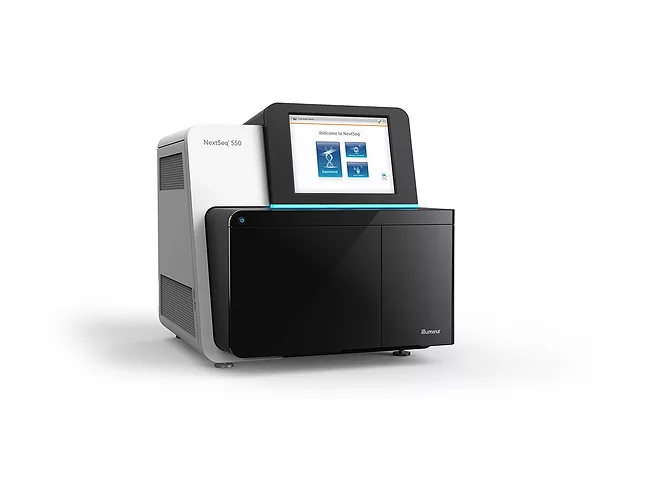
A new cancer genomic test co-developed by Illumina Inc. and Merck & Co. Inc. will soon be available globally, excluding the U.S. and Japan. The research use only Trusight Oncology 500 HRD test is designed to identify genetic mutations used in the evaluation of homologous recombination deficiency (HRD), a signal that can indicate tumor formation. The product combines HRD technology from genetic test maker Myriad Genetics Inc. and next generation sequencing (NGS) technology from Illumina.