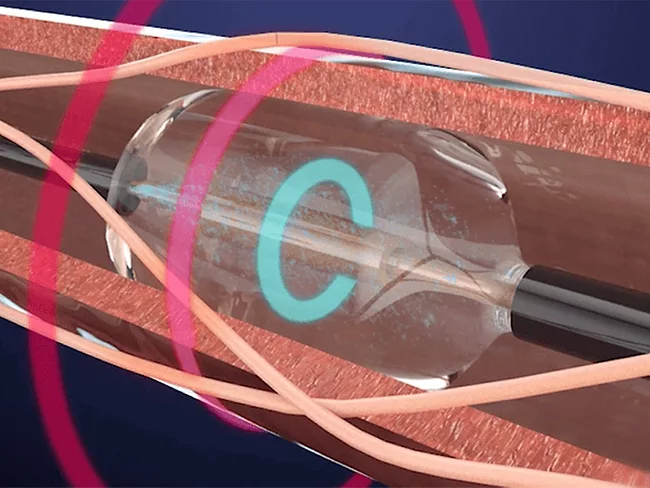
The U.S. CMS has confirmed that it will cover renal denervation as a treatment for hypertension in a final coverage memo that largely mirrors the July 2025 draft. One key difference, however, is that Medicare beneficiaries are eligible for RDN after only six weeks of optimized medical therapy, half the three-month waiting period described in the draft.
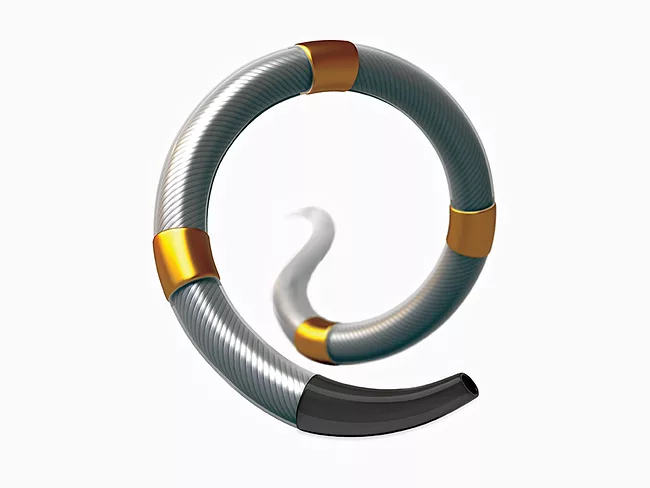
Medtronic plc’s SPYRAL HTN-ON MED trial demonstrated significantly greater reduction in blood pressure with the Symplicity Spyral renal denervation procedure at three years than a sham procedure in a study presented as featured clinical research at the 2025 Transcatheter Cardiovascular Therapeutics conference in San Francisco.
U.S. Medicare coverage of renal denervation (RDN) for uncontrolled hypertension may soon be a fact of life if the manufacturers of these systems have their way. CMS opened a national coverage analysis for RDN, but as is routine practice recently, the agency is asking for comment before posting even a draft coverage memo for this technology.
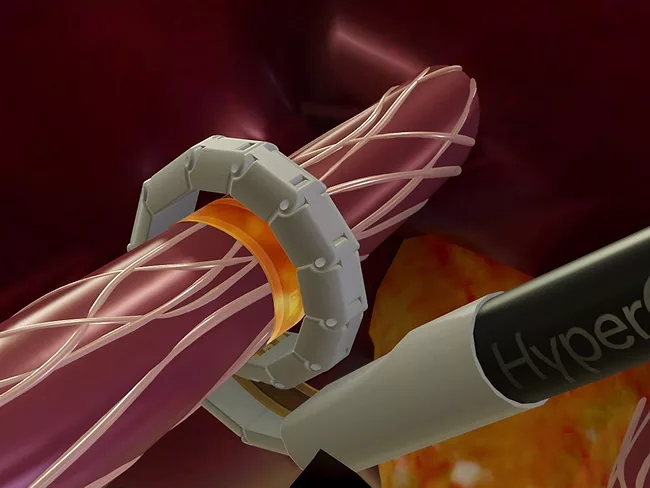
As renal denervation (RDN) makes a comeback for treatment-resistant hypertension, Deepqure Inc. is advancing its RDN medical device dubbed Hyperqure with the U.S. FDA granting clearance for a U.S.-based study.
In an unexpected turn of events, Medtronic plc presented results from the Symplicity HTN-3 trial at year 3 showed sustained reductions in blood pressure with radiofrequency renal denervation (RDN) for resistant hypertension, contrary to the trial’s results at the six-month mark—and it wasn’t alone in showing positive results for the procedure.
Years after a setback to its clinical program, Medtronic plc‘s Symplicity brand renal denervation (RDN) system appears to be firing on all pistons. The Dublin-based company said this week that it will begin enrolling patients in a pilot study to assess the safety and efficacy of its newer-generation Symplicity Spyral using a targeted procedural approach with fewer radiofrequency (RF) ablations.