Researchers from Jiangsu Hansoh Pharmaceutical Group Co. Ltd. and Shanghai Hansoh Biomedical Co. Ltd. have described tachykinin NK3 receptor antagonists that are potentially useful for the treatment of menopausal symptoms, polycystic ovarian syndrome, uterine fibroids (myoma), schizophrenia, irritable bowel syndrome and breast cancer.
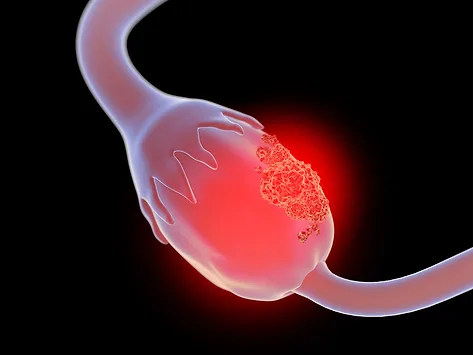
Harnessing an oncolytic signal and redirecting it against the tumor itself could be developed as a selective strategy for certain cancer types, as occurs with ErbB hyperactivity, a form of signaling that drives many carcinomas. Inspired by this idea, scientists at Stanford University have engineered a virus that replicates only in ErbB-hyperactive ovarian cancer cells. This allowed them to precisely kill this specific tumor population, achieving greater efficacy and safety than previous oncolytic viruses.
Mammogen Inc. raised $30 million in equity financing in a series A round to support the clinical advancement and commercialization of its RNA-powered molecular diagnostics platform. The company’s lead product is Gentru-breast, a blood-based assay designed to detect molecular signatures associated with breast cancer from a simple blood draw.