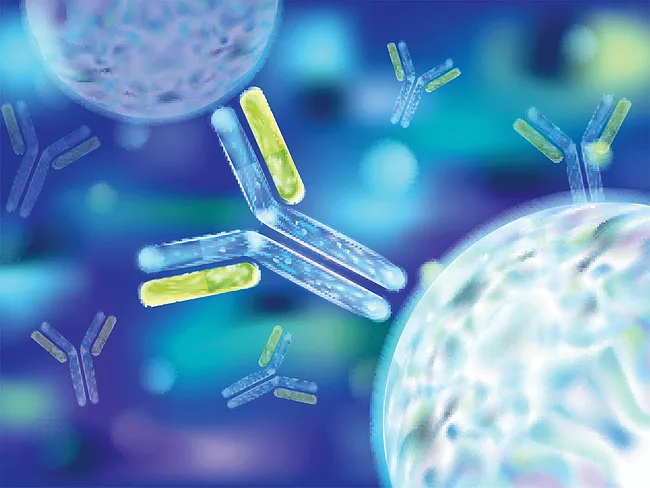
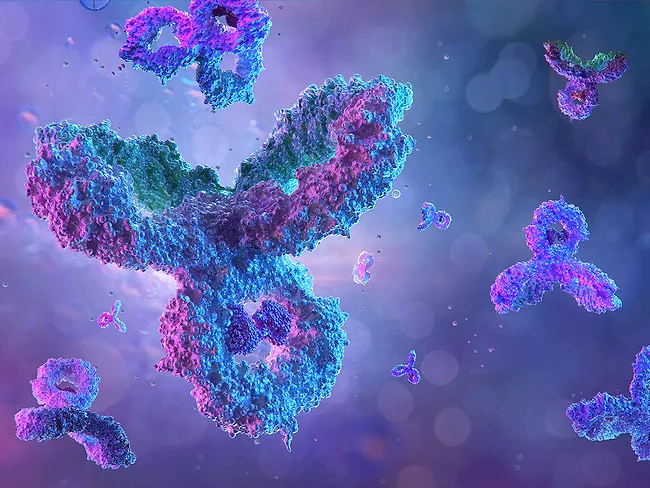
The overproduction of immunoglobulin E (IgE) resulting from alterations in the humoral immune response contributes to the development of allergic and atopic diseases such as allergic asthma and rhinitis, chronic spontaneous urticaria or food allergies and acute anaphylaxis.
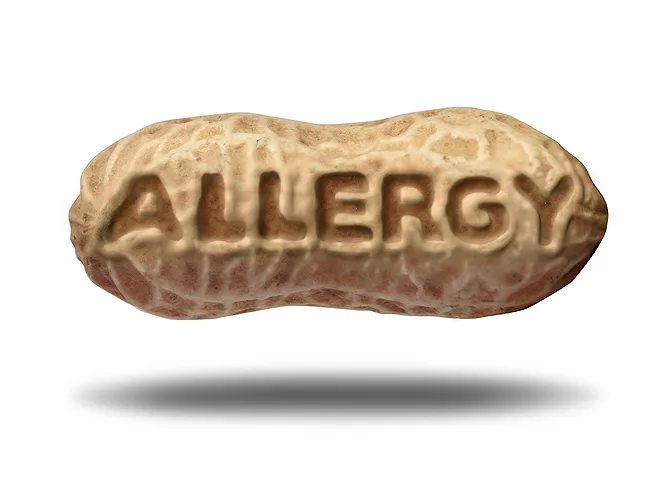
Mabylon AG recently provided preclinical data for MY-006, a half-life extended trispecific anti-peanut antibody being developed for the treatment of peanut allergy.
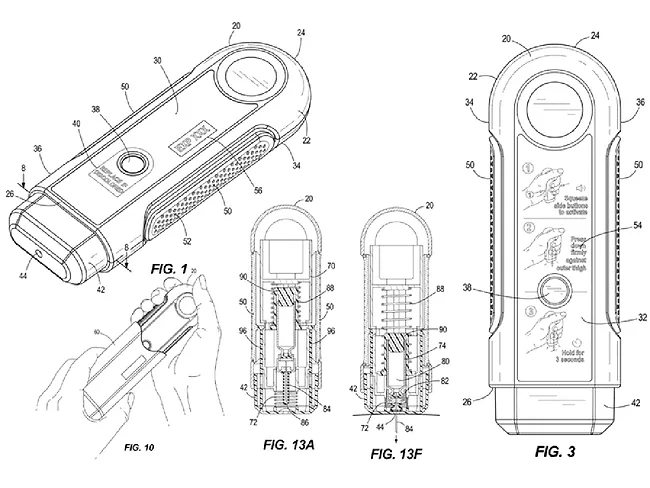
In the first patenting from Lent Innovations LLC, the company’s founder, Anne Lent – an allergist and immunologist – describes their invention of an epinephrine auto-injector tailored to the specific needs of children to reduce the risk of use errors and incorrect injection technique.
Insignis Therapeutics Inc.’s sublingual anaphylaxis treatment IN-001 has received Fast Track designation from the FDA. The Fast Track program is designed to expedite the product review and facilitate the development of drugs that treat serious conditions and address unmet medical needs.
In what represents its first patenting, Anjo.ai Inc seeks protection of systems for remote monitoring, early detection and notification for life-threatening allergic anaphylactic reactions using wearable sensors and artificial intelligence. The system can recognize an allergic reaction even before the visible symptoms appear.
Jasper Therapeutics Inc. has presented data at the AAAAI 2024 conference regarding its CD117-targeting antibody briquilimab and its potential use in allergy and CD117-triggered anaphylactic reactions.
Scientists at Regeneron Pharmaceuticals Inc. have found a new way to permanently stop allergy through a combination of therapies that prevents the production of antibodies in secondary lymphoid organs and in bone marrow. The approach was tested in vivo in cynomolgus monkeys and in a mouse model.
Korean bioventure GI Innovation Inc. inched closer to achieving its goal of “five tech transfer deals in five years” with another licensing deal for its allergy drug, GI-301, with Japan-based Maruho Co. Ltd. for ₩298 billion (US$220.7 million), although share prices still dropped on the news.
Korean bioventure GI Innovation Inc. inched closer to achieving its goal of “five tech transfer deals in five years” with another licensing deal for its allergy drug, GI-301, with Japan-based Maruho Co. Ltd. for ₩298 billion (US$220.7 million), although share prices still dropped on the news.