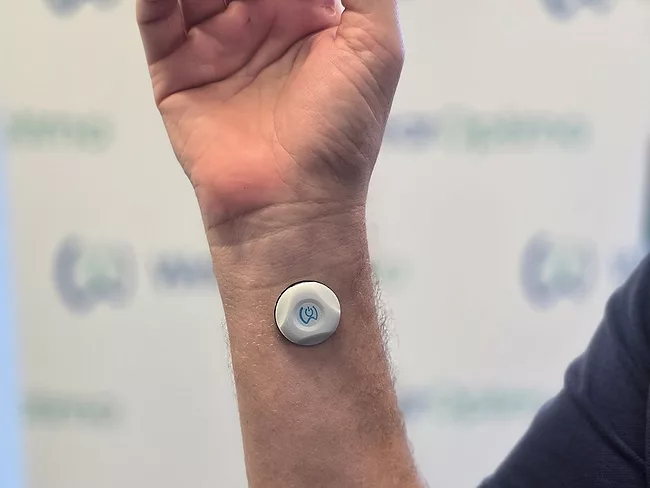
Health care technology company Wearoptimo Ltd. developed a next-generation microwearable sensor that accurately detects hydration levels, outperforming the needle-based gold standard.
Researchers have developed a new compound that can prevent long COVID symptoms in mice that could lead to a future drug for the debilitating condition in humans. Developed by researchers at the Walter and Eliza Hall Institute of Medical Research (WEHI) in Melbourne, the world-first study found mice treated with the antiviral compound were protected from long-term brain and lung dysfunction, which are key symptoms of long COVID.
Researchers have developed a new compound that can prevent long COVID symptoms in mice that could lead to a future drug for the debilitating condition in humans. Developed by researchers at the Walter and Eliza Hall Institute of Medical Research (WEHI) in Melbourne, the world-first study found mice treated with the antiviral compound were protected from long-term brain and lung dysfunction, which are key symptoms of long COVID.
Researchers have developed a new compound that can prevent long COVID symptoms in mice that could lead to a future drug for the debilitating condition in humans. Developed by researchers at the Walter and Eliza Hall Institute of Medical Research (WEHI) in Melbourne, the world-first study found mice treated with the antiviral compound were protected from long-term brain and lung dysfunction, which are key symptoms of long COVID.
The U.S. FDA has cleared regenerative medicine company Orthocell Ltd.’s 510(k) for its nerve repair product, Remplir, paving the way to begin commercial operations in the $1.6 billion U.S. nerve repair market.
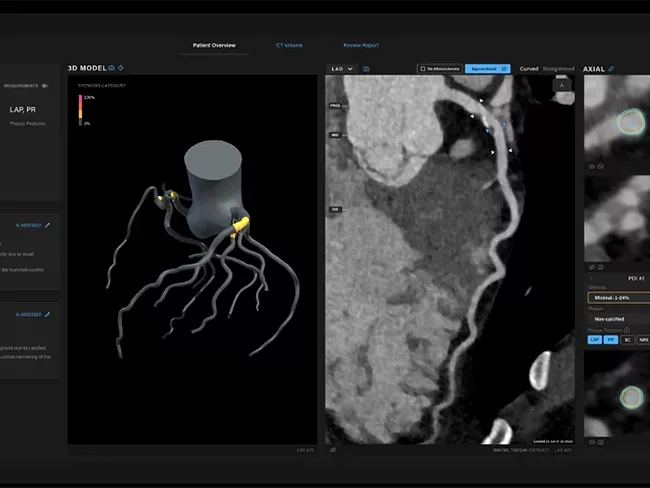
The U.S. FDA cleared Artrya Ltd.’s Salix Coronary Anatomy software that analyzes coronary computed tomography angiogram scans via AI to better diagnose coronary artery disease.
Australia’s top universities are looking more to Asia for research collaborations following threats from the Trump administration to stop funding research at institutions that don’t comply with U.S. narratives.
Australia’s top universities are looking more to Asia for research collaborations following threats from the Trump administration to stop funding research at institutions that don’t comply with U.S. narratives.
The U.S. FDA gave the green light to Nanosonics Ltd.’s Coris system via de novo clearance for reducing infection risk by delivering improved cleaning outcomes for flexible endoscopes, especially the complex channels of endoscopes that are prone to biofilm build up.
A slow-down in EU medical device audits due to the long-delayed transition to the EU Medical Device Regulation is leading to increased applications to Australia as small businesses bypass Europe altogether.