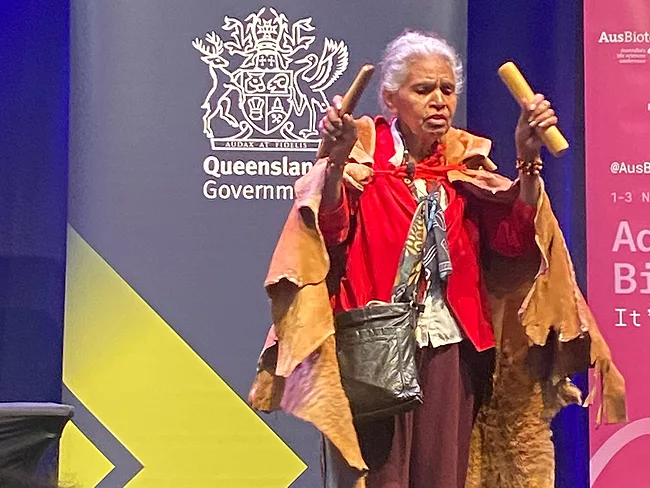
Australia has a lot to celebrate when it comes to vaccines. The University of Queensland is where Ian Frazer invented the human papillomavirus vaccine Gardasil, and now Australia is projected to be the first in the word to eliminate cervical cancer, Queensland Deputy Premier Steven Miles said during the Ausbiotech 2023 conference held Nov. 1-3 in Brisbane, Australia.
The calcineurin inhibitor tacrolimus is an immunosuppressive drug frequently used to prevent transplant rejection in solid organ transplant patients. Tacrolimus acts by suppressing T-cell activity within and around the transplanted organ. However, this drug also inhibits T-cell function in the skin, contributing to a high incidence of skin cancer among transplant recipients.
A genome-wide association study (GWAS) from The University of Queensland has linked blood cell traits (BCTs) and neurological and psychiatric disorders (NPDs), providing a tool to improve patient treatments or repurposing different drugs. The researchers also found a cause-effect relationship between Parkinson's and platelet distribution width. In their study, published Jan. 25, 2023, in Cell Genomics, the scientists observed the genetic overlap between common NPDs and 29 BCTs, including functional genes, regulatory elements and new genetic correlations linked to hematological data and for these diseases.
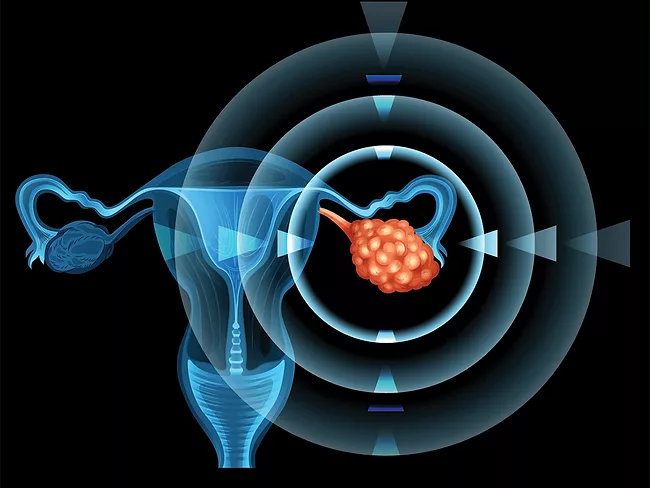
A feasibility study conducted by the University of Queensland (UQ) confirmed the utility of Inoviq Ltd.’s exosome-based ovarian cancer screening test for isolating extracellular vesicle (EV) biomarkers. The Ovarian Cancer 97 study (OC97) screened data from 97 plasma samples and identified significant differences between the EV biomarker content of ovarian cancer and healthy control samples.
Researchers at the University of Queensland have been awarded funding to advance work across mRNA research, cancer vaccines and single-cell genomic technologies.
Researchers from the University of Queensland have published preclinical data on the novel glycopeptide antibiotic MCC-5145, being developed for the treatment of gram-positive bacterial infections.
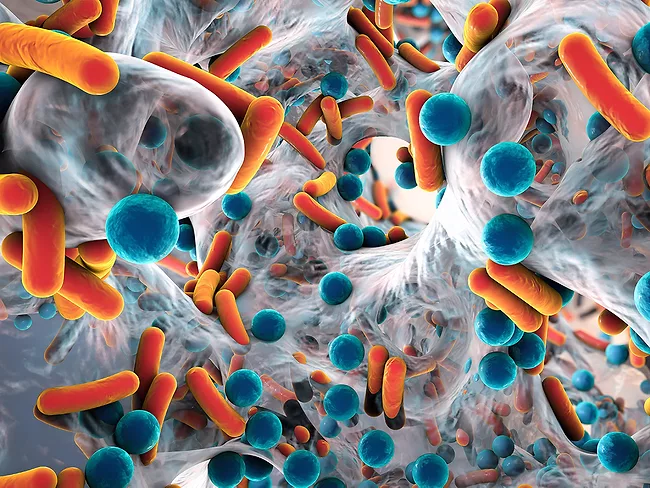
Scientists from the University of Queensland have created a new antibiotic that can neutralize various gram-positive bacteria in mice, including major threats such as methicillin-resistant Staphylococcus aureus (MRSA). In a recent study, published in the Sept. 14, 2022, issue of Science Translational Medicine, the new compound outperformed the approved antibiotic vancomycin, and destroyed tough-to-eradicate bacterial biofilms while prompting a low rate of resistance.
Scientists from the University of Queensland have created a new antibiotic that can neutralize various gram-positive bacteria in mice, including major threats such as methicillin-resistant Staphylococcus aureus (MRSA). In a recent study, published in the Sept. 14, 2022, issue of Science Translational Medicine, the new compound outperformed the approved antibiotic vancomycin, and destroyed tough-to-eradicate bacterial biofilms while prompting a low rate of resistance.
Inoviq Ltd. and The University of Queensland (UQ) are expanding a collaboration to develop an exosome-based ovarian cancer screening test. Researchers from UQ identified and validated exosomal protein and micro-RNA (miRNA) biomarkers that when combined in its OCRF-7 algorithm showed more than 90% accuracy to detect stages I and II ovarian cancer in an independent 500-sample retrospective case-control study, Inoviq CEO Leearne Hinch told BioWorld.
PERTH, Australia – The University of Queensland (UQ) and CSL Ltd. are abandoning their trials of an Australian COVID-19 vaccine after recipients generated HIV antibodies during phase I trials. The response means the antibodies produced by the vaccine can interfere with HIV diagnostic tests. However, there was no possibility the vaccine caused infection, and routine follow-up tests confirmed no HIV virus was present, the partners said.