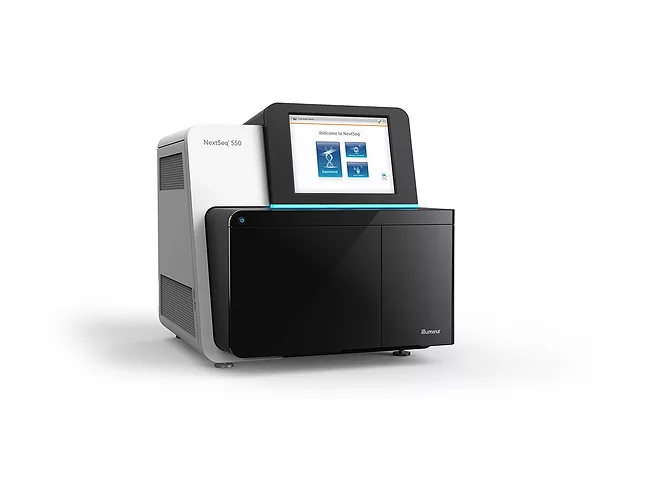
Complete Genomics Inc. launched a new line of genetic sequencers designed to decode DNA in greater quantities – and at a lower price point – than existing sequencing tools. The new products could signal a new era of more affordable testing, leading to wider availability and the potential to fulfill the long-desired promise of precision medicine.
Cajal Neuroscience Inc., a startup seeking new targets to use in medicines for neurodegeneration, has launched with the completion of a $96 million series A financing led by The Column Group and Lux Capital. The company, inspired by the pioneering work of Santiago Ramón y Cajal, is focused on the "mechanistic, spatial and temporal complexity of neurodegeneration" to determine "how, where and when different mechanisms contribute to disease."
Nested Therapeutics Inc. emerged from stealth, revealing $125 million in equity funding and plans to bring precision oncology to the next level by probing the genomics and structural biology of key cancer targets more deeply than before, in an ambitious bid to find new driver mutations, new druggable pockets, and new chemistry that will expand the current arsenal of targeted therapies.
Genomics is moving out of the research lab to become a routine element of health care, particularly in oncology to detect gene variants that indicate a patient will respond to a targeted cancer drug, and in the diagnosis of rare diseases.
A new cancer genomic test co-developed by Illumina Inc. and Merck & Co. Inc. will soon be available globally, excluding the U.S. and Japan. The research use only Trusight Oncology 500 HRD test is designed to identify genetic mutations used in the evaluation of homologous recombination deficiency (HRD), a signal that can indicate tumor formation. The product combines HRD technology from genetic test maker Myriad Genetics Inc. and next generation sequencing (NGS) technology from Illumina.
Oncologica Ltd. is expanding its testing service to include an at-home molecular immunoglobulin E (IgE) antibody allergy test. The Cambridge, U.K.-based precision medicine company said the new Allergyfocus test can detect 99% of globally known allergens from a finger prick blood sample. The IgE test provides a personalized antibody profile of allergy triggers such as different foods, pollen, mould or animals.
For a non-invasive cancer, ductal carcinoma in situ (DCIS) has spread rapidly—at least in research studies. Multiple companies presented results of diagnostic tests and genomic analysis that offer guidance for selecting treatment options for stage 0 breast cancer at the 2022 American Society of Clinical Oncology (ASCO) annual meeting, which concluded in Chicago on June 7. Several of these studies reliably predicted which patients can safely be selected for active surveillance without surgery, who would benefit from endocrine or radiotherapy following surgery and who would be best served by risk-reducing surgery such as double mastectomy.
A start-up rival to Illumina Inc. has emerged from stealth mode, debuting a new low-cost gene sequencing platform, the UG 100. Ultima Genomics Inc. has raised approximately $600 million from investors including General Atlantic, Andreessen Horowitz, D1 Capital and Khosla Ventures to scale development of the whole-genome sequencing, single-cell sequencing technology. Initial data using the platform to sequence more than 200 human genomes will be presented at the upcoming Advances in Genome Biology and Technology (AGBT) conference.
Cambridge Innovation Capital (CIC) has closed its oversubscribed Fund II at £225 million (US$287 million) and is moving from its previous model of open-ended investing to a traditional fixed-term venture capital fund. The money will be dedicated to spinouts from Cambridge University, with CIC investing in series A rounds, but also following on as companies mature and their capital requirements increase.