Delphinus Medical Technologies Inc. raised $30.4 million in a series D fundraising round to support worldwide commercialization of its Softvue 3D whole breast ultrasound tomography system. Both new and existing investors kicked in funds including Arboretum Ventures, Beringea, North Coast Technology Investors, Venture Investors, Hopen Life Science Ventures and Waycross Ventures.
Following on a trifecta of regulatory wins, Optellum Ltd. raised $14 million in a series A funding round to commercialize its artificial intelligence (AI)-enabled lung cancer diagnostic platform. Optellum’s Virtual Nodule Clinic, which helps physicians identify and monitor patients at-risk of lung cancer, has received U.S. FDA clearance, CE-MDR in the European Union and UKCA in the U.K.
The European Commission (EC) is proposing a novel cancer screening program that would improve cancer outcomes by fostering more frequent cancer screenings among European Union (EU) member nations. The primary focus is on screening for breast, cervical and colorectal cancers, but the plan carries a lofty target of providing screening services for 90% of those who qualify for screening.
Colorectal cancer (CRC) is expected to increase steadily through the decade to reach more than 2.2 million cases and 1.1 million deaths by 2030 as two concurrent trends tick up—an aging population, that typically has higher rates of the disease, and an alarming increase in cases in younger people. Iterative Scopes Inc. hopes to help gastroenterologists find precancerous lesions before they progress with its Skout device, which received U.S. FDA 510(k) clearance this week.
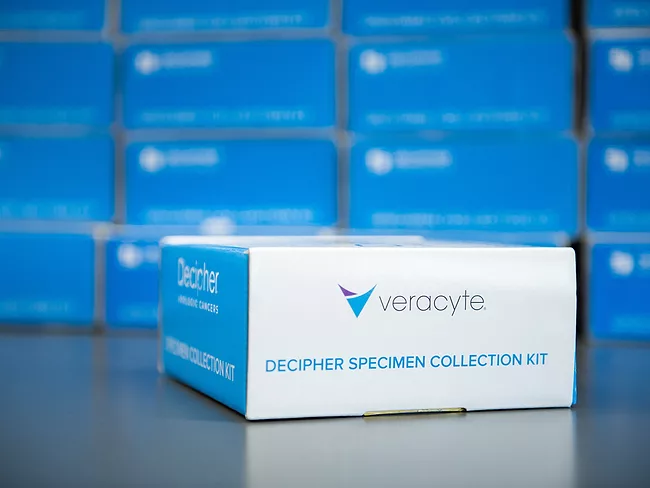
Aggressive prostate cancer disproportionately affects—and kills—African American men, but identifying which men are at highest-risk has proved challenging, particularly in younger patients. Veracyte Inc.’s Decipher prostate genomic classifier could help identify these men with early, localized prostate cancer at the greatest risk of aggressive disease, a new study published in the Journal of the National Cancer Institute found.
The U.S. response to the emergence of the COVID-19 pandemic may by now be the stuff of public health policy lore, with both the FDA and the CDC contributing to the chaos in the first months of the pandemic. The Office of Inspector General has issued an analysis of the situation, and while OIG revisited some of the known miscues, the report also made the case that a national strategy for pandemic response will be needed if federal government efforts in the future are to be less a hazard to the lives of American citizens than those seen in the first half of 2020.
While no one can tell the future, a panel of autoantibodies developed by researchers at New York University Grossman School of Medicine and Perlmutter Cancer Center may give physicians a much better idea about how a patient will respond to immunotherapy. That could help improve therapy selection by accurately predicting whether a patient’s cancer will recur following immunotherapy or they will experience autoimmune side effects as a result of treatment, a study published in Clinical Cancer Research on Sept. 15 found.
Verici Dx plc reported positive results in the initial validation of its pre-transplant blood test for predicting the risk of early acute kidney rejection.
The U.S. FDA has granted breakthrough device designation to Potrero Medical Inc. for its AKI Predict machine learning algorithm for the advanced prediction of acute kidney injury (AKI) associated with intra-abdominal hypertension (IAH) in intensive care patients recovering from cardiac surgery.