Phenomix Sciences Inc. has launched a first-of-its-kind test that could provide precision medicine treatment options for patients suffering from a particular form of obesity. Key to the saliva-based Hungry Gut test for patients still hungry after eating is the science of phenotyping enabling specialists to determine genetic sources for this and other distinct obesity conditions.
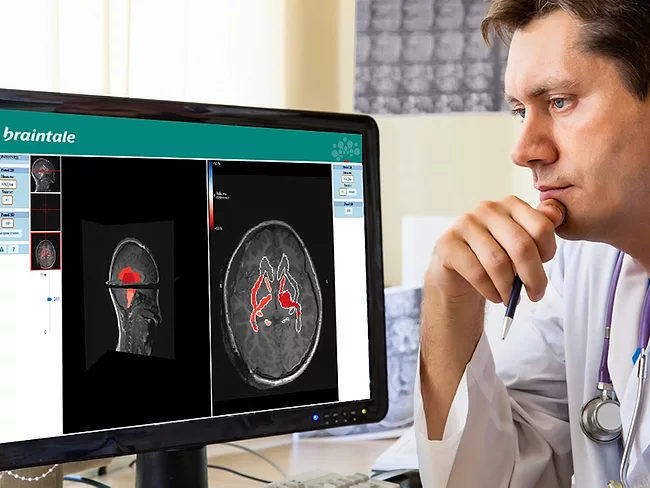
Braintale SAS unveiled an updated version of its digital biomarkers platform with new features including advance options for patient monitoring. This version is also CE-marked under the new EU Regulation, MDR 2017/745. The company said this latest version of Braintale-care sees important improvements for all users, with superior security and usability alongside additional available biomarkers. “This significant enrichment allows deployment of our platform to a growing number of customers for the benefit of patients and people in the industry,” Jean-Baptiste Martini, chief technology officer of Braintale, told BioWorld.
Infandx AG has had an abrupt change of strategy after discontinuing development of an umbilical cord blood biomarker test, which was intended to diagnose brain injury in newborns caused by a lack of oxygen before or shortly after birth.
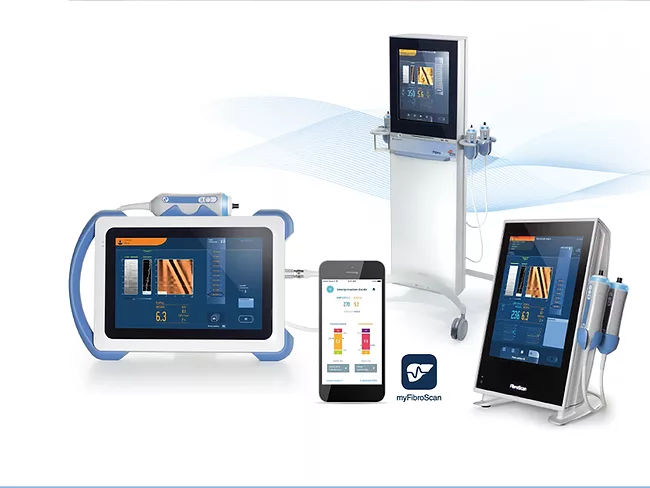
Echosens SA obtained clearance from the U.S. FDA to expand the indications for screening with its Fibroscan system. The approval removes contraindications for pregnancy and active implant and includes patients with confirmed or suspected liver disease. It designates Fibroscan as a noninvasive aid for clinical management, diagnosis and monitoring of adult and pediatric patients with liver diseases. The age has been removed as the first selection probe and exam-type step.
Okwin Inc. is leading a consortium of hospitals and pathology labs from across France as part of a €33 million (US$36 million) project to develop and deploy new digital pathology artificial intelligence (AI) tools to improve cancer care. The project, called Portrait, is backed by the French government, and the hope is that by producing more efficient and accessible diagnostic tools, clinicians will be able to better tailor treatments to individual patients at an earlier stage of the disease.
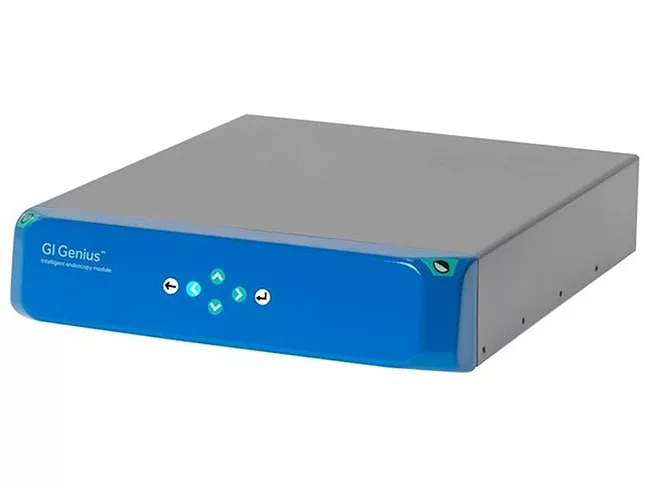
Medtronic plc has announced a plan by Cosmo Pharmaceuticals NV and Nvidia Inc. to integrate Nvidia's artificial intelligence (AI) technologies into Medtonic’s GI Genius intelligent endoscopy module. GI Genius is designed to host multiple AI algorithms as the first U.S. FDA-cleared, AI-assisted colonoscopy imaging tool for detecting polyps that can lead to colorectal cancer.
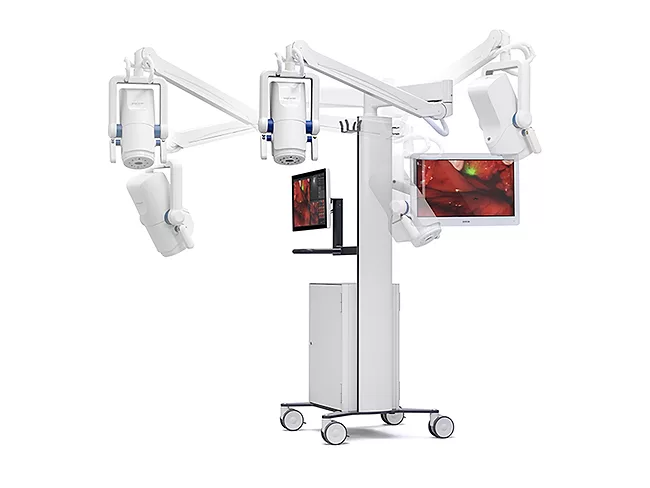
Surgvision GmbH received U.S. FDA 510(k) clearance for the Explorer Air II which will be deployed with pafolacianine, during intraoperative fluorescence imaging. The Explorer Air II will support surgeons in their battle to fight cancer, especially in cases of incomplete resection, as paired with pafolacianine, an imaging agent, it will help them improve tumor visualization and outcomes.
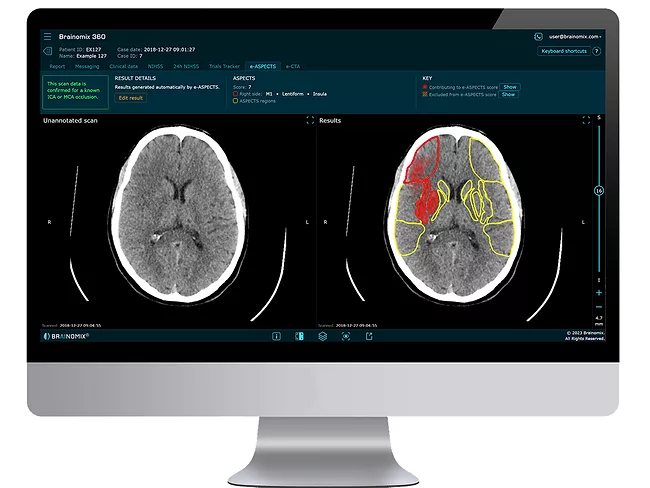
Brainomix Ltd. received U.S. FDA clearance for its Brainomix 360 E-aspects tool, a fully automated AI-imaging solution for stroke assessment. Powered by explainable AI, the Brainomix 360 E-aspects tool, which is already CE-marked, assesses non-contrast CT scans to automatically generate a score and measures the volume of ischemic signs. It also features an overlaid heatmap to visually assist clinicians when treating stroke patients.
Test developers who are seeking coverage by public and private payers often resort to clinical practice guidelines as support for their pleas for coverage, but payers aren’t always persuaded by these guidelines. Lon Castle of Evicore Health told test makers that while these guidelines are often helpful, many of them are well ahead of the evidence, and that test developers would do well to check the data behind the guidelines before reciting them to payers.