The existence of two approved therapies, Lumakras (sotorasib, Amgen Inc.) and Karzati (adagrasib, Mirati Therapeutics Inc.), has been a triumphant success against KRAS, a protein that was once considered undruggable.
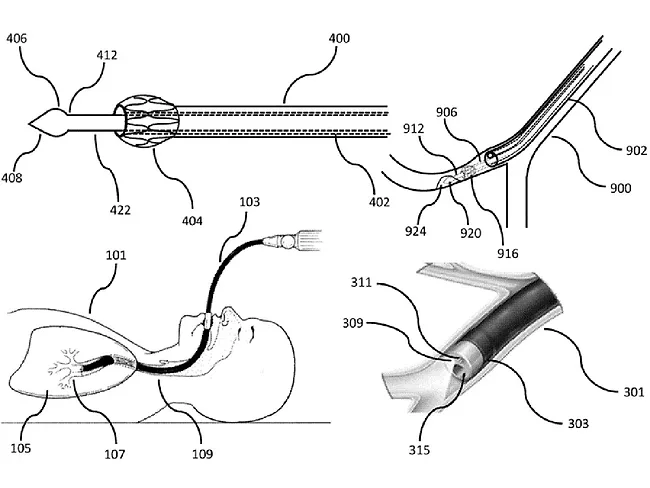
In what represents just the company’s fourth PCT filing, San Jose, Calif.-based Squirrel Corp. seeks protection for systems for electroporation or pulsed field ablation (PFA) treatment of soft tissue tumors.
The existence of two approved therapies, Lumakras (sotorasib, Amgen Inc.) and Karzati (adagrasib, Mirati Therapeutics Inc.), has been a triumphant success against KRAS, a protein that was once considered undruggable. KRAS is the most frequently mutated oncogene in solid tumors. KRAS driver mutations are found in about 30% of non-small-cell lung cancers (NSCLC), about half of colorectal cancers, and more than 90% of pancreatic cancers. Lumakras and Karzati both target the G12C mutation. Inhibitors that target other mutations, like G12D, are now making their way through preclinical and clinical development, while some companies are developing therapies that would target mutated KRAS more broadly, irrespective of the specific mutation that is activating the protein.
Cross talk between macrophages and tumor cells could modulate cachexia in pancreatic cancer patients. A group of scientists from the University of Oklahoma has discovered a new pathway that promoted muscle wasting after the recruitment of this immune cell in the tumor microenvironment, activating cachexia-inducing factors.
Cross talk between macrophages and tumor cells could modulate cachexia in pancreatic cancer patients. A group of scientists from the University of Oklahoma has discovered a new pathway that promoted muscle wasting after the recruitment of this immune cell in the tumor microenvironment, activating cachexia-inducing factors. Macrophage depletion and the inhibition of this signaling could be developed as a therapeutic target for this condition.
Osaka University has identified radiolabeled tyrosine derivatives targeting large neutral amino acids transporter small subunit 1 (SLC7A5; LAT1) reported to be useful for the treatment of cancer.
Ildong Pharmaceutical Co. Ltd. has identified novel tetraheterocycle compounds acting as GTPase KRAS inhibitors reported to be useful for the treatment of cancer.
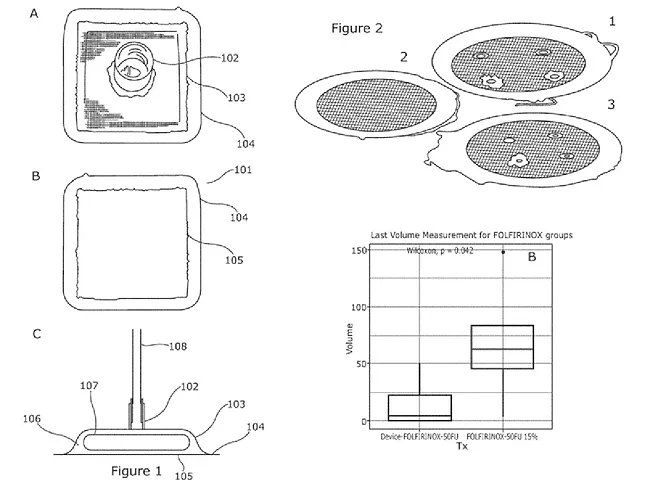
Researchers from the U.K.’s University of Birmingham have filed for protection of an implantable device for targeted drug delivery in patients who have undergone surgery, particularly surgery to remove one or more tumors.
ABM Therapeutics Inc. presented a novel small-molecule, ATP-uncompetitive, phosphorylated MEK (pMEK) inhibitor – ABM-4095 – that potently prevents phosphorylation of MEK by RAF with moderate inhibition of MEK kinase activity; it is being investigated for the potential treatment of pancreatic cancer.