One of the latest state laws impacting prescription drug prices is a per se unconstitutional taking, a U.S. district judge said last week, but he refused to grant a preliminary injunction to shield manufacturers from the effects of Colorado’s new law while Teva Pharmaceuticals USA Inc.’s constitutional challenge moves through the courts.
Of all that happened in 2023, Medicare price negotiations probably top the list as the biggest U.S. biopharma disruptor. Although Congress cleared the way for the negotiations last year when it passed the partisan Inflation Reduction Act, they weren’t fleshed out until this year when the Centers for Medicare & Medicaid Services issued guidance detailing the rules of the negotiating road. And as usual, the devil is in the details.
Pharma companies facing the pricing pressures unleashed by the U.S. Inflation Reduction Act will find little respite in European markets in 2024, as governments erect higher market access hurdles around pricing and reimbursement in a bid to constrain drug budgets.
In 2023, Japan has faced mounting criticism from the pharma industry for its annual price reductions. Ahead of the G7 summit hosted in Japan in May 2023, a delegation of 24 CEOs from the Biopharmaceutical CEO Roundtable met with Japanese Prime Minister Fumio Kishida to discuss global priorities and to flag concerns over drug pricing policies in Japan. Meanwhile, in 2023, China agreed to add 126 drugs to its National Reimbursement Drug List, in a negotiation process that has become more transparent and predictable than ever before. South Korea faces drug pricing reform, while Australia’s government has started an overhaul of its health technology assessment process.
As South Korea awaits potential changes to drug pricing policies for generics and novel ultra-expensive therapies like Novartis AG’s Kymriah (tisagenclecleucel), the domestic pharmaceutical industry is proactively voicing concerns about some policies that could do more harm than good.
The long-running row over the U.K. voluntary scheme that controls the national drugs budget has been settled, in what the industry is describing as a “tough deal.” Under the scheme there is an annual cap on total sales of branded drugs to the National Health Service, with sales over the agreed limit reimbursed via a levy. In 2022, pharma companies paid back £2 billion (US$2.5 billion) in rebates on total sales of £14 billion. In the new five-year agreement, the allowed annual increase in sales will be 2% in 2024, the same as across the current scheme from 2019 – 2023, but it will then increase to 4% by 2027.
After nearly two years with an unconfirmed acting director at its helm, the U.S. NIH is one step closer to finally having Senate-confirmed leadership to steer the agency in a time pressed with political agendas, pandemic concerns and the potential for what could be life-altering innovations. The Senate Health, Education, Labor and Pensions (HELP) Committee voted 15-6 Oct. 25 to favorably report Monica Bertagnolli’s nomination to the full Senate for a confirmation vote as the next NIH director.
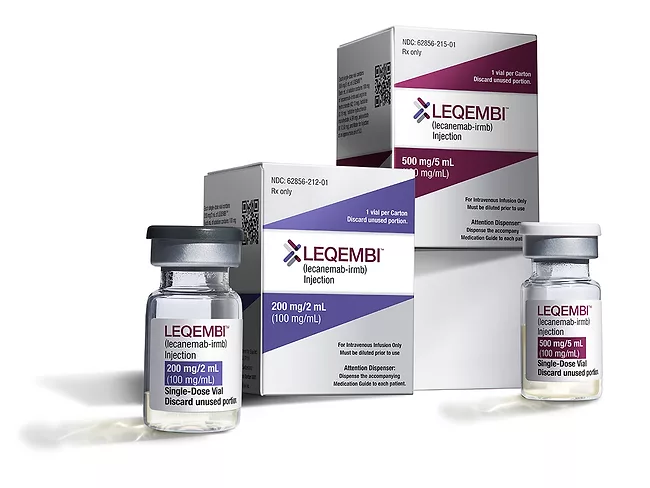
As pricing negotiations for Biogen Inc./Eisai Co. Ltd.’s newly approved Leqembi (lecanemab) for Alzheimer’s disease get underway at Japan’s Central Social Insurance Medical Council (Chuikyo), industry watchers see opportunity for potential drug price reform.
If the modification to Regeneron Pharmaceuticals Inc.’s $326 million contract with the U.S. Biomedical Advanced Research and Development Authority is anything to go by, pricing clauses could once again become a common feature in biopharma contracts involving government R&D funding.
A recent bipartisan request for funding of a study on replacing U.S. drug patents with cash prizes is just one more symptom of a larger global malady that makes patents the scapegoat for bigger problems that have nothing to do with intellectual property (IP), David Kappos, board co-chair of the Council for Innovation Promotion (C4IP), told BioWorld.