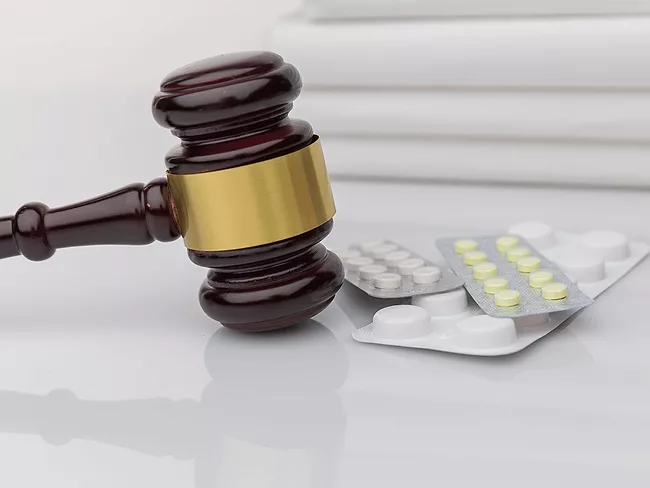
Abbvie Inc. and Eli Lilly and Co. Inc. have pulled out of the U.K.’s voluntary pricing scheme for branded drugs in protest at the 26.5% of their revenues they would be required to pay back to the government in 2023.
Although the U.S. Inflation Reduction Act charges the Centers for Medicare & Medicaid Services with negotiating prices of the Part B and D drugs with the highest Medicare spend, the first two rounds of negotiations will focus solely on Part D drugs, which are dispensed through pharmacies.
Japan’s Central Social Insurance Medical Council said it would issue similar drug price revisions in 2023 as it did in 2022 for drugs listed on the National Health Insurance, confirming the move to annual price cuts on drugs.
Japan’s Central Social Insurance Medical Council said it would issue similar drug price revisions in 2023 as it did in 2022 for drugs listed on the National Health Insurance, confirming the move to annual price cuts on drugs.
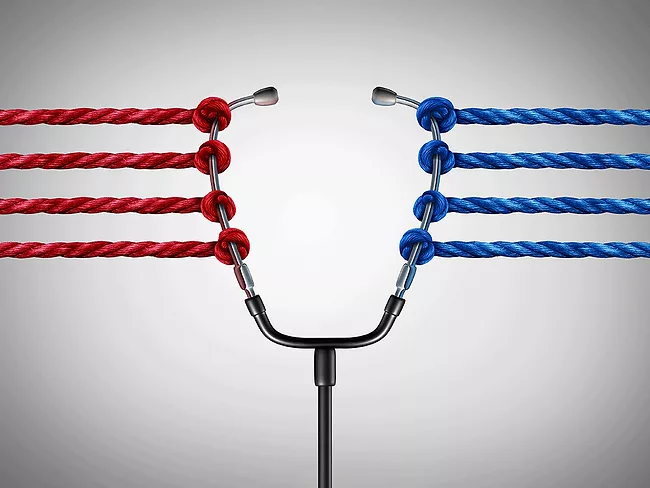
Election day has come and gone in the U.S., but the question of which party will control Congress remains unanswered, signaling that the country is as divided as ever politically and ideologically. While Democrats and Republicans may agree on problems in the life sciences sector, they often disagree on how to address them.
The U.S. Department of Health and Human Services (HHS) needs to do more and act faster to crack down on drug manufacturers that restrict 340B prescription drug discounts to contract pharmacies, two senators said in a letter to HHS Secretary Xavier Becerra.
The U.K. could be downgraded as a place to research and launch new medicines because of economic shocks and a looming rebate of 30% or more on sales of branded products, according to industry sources.
Pricing new drugs for the U.S. market, especially those treating rare diseases, is getting a lot more complex now that the Medicare inflation rebate is in play. The rebate provision in the newly enacted Inflation Reduction Act incentivizes companies to set higher launch prices for drugs that will be used by Medicare beneficiaries since their future price increases will be limited to the rate of inflation. Although some of the other drug pricing measures included in the new law won’t kick in for a few years, the Medicare inflation rebate is to become effective next year.
Access to advanced therapies proved to be a major talking point at a conference in London, following the U.S. approval of Bluebird Bio Inc.’s Zynteglo (betibeglogene autotemcel) cell-based gene therapy for beta thalassemia and its $2.8 million price tag. Regulators in Europe backed Zynteglo in 2019 but Bluebird opted to withdraw the therapy in 2021 after deciding that the complex thicket of pricing bodies in Europe was too difficult to negotiate.
“It’s now law,” U.S. President Joe Biden said after he signed H.R. 5376 Aug. 16. His signature made Medicare drug pricing negotiations a near-term reality, along with new inflationary rebates, new caps on annual out-of-pocket drug spending and monthly insulin copays for Medicare beneficiaries, and tax changes that could affect the bottom line for several multinational drug and device companies beginning next year.