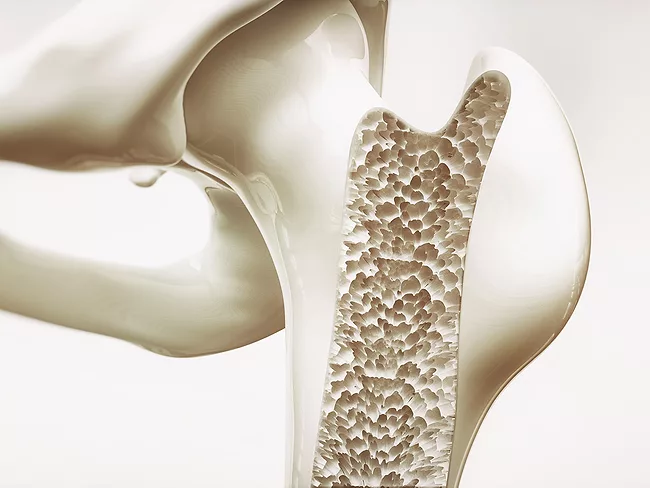
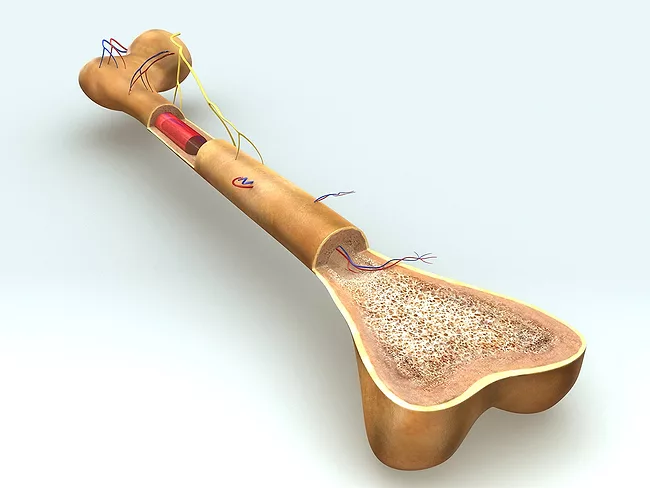
Glucocorticoid-induced osteoporosis, the leading cause of secondary osteoporosis, is characterized by diminished bone density and compromised osteoblast function. As current treatment options often have significant side effects, researchers are actively seeking new drug candidates to improve patient outcomes.
Relation Therapeutics Ltd. has delivered the first commercial validation of its combined wet lab/in silico platform for homing in on disease-related genes in the thick of the genome, signing two collaboration agreements with GSK plc, with a potential value of $200 million per target.
Relation Therapeutics Ltd. has delivered the first commercial validation of its combined wet lab/in silico platform for homing in on disease-related genes in the thick of the genome, signing two collaboration agreements with GSK plc, with a potential value of $200 million per target.
Relation Therapeutics Ltd. has delivered the first commercial validation of its combined wet lab/in silico platform for homing in on disease-related genes in the thick of the genome, signing two collaboration agreements with GSK plc, with a potential value of $200 million per target.
Researchers from Shandong University and affiliated organizations have presented data from a study that aimed to assess the role of endosome-associated trafficking regulator 1 (ENTR1) in adipogenesis.
Researchers from the University of California San Francisco (UCSF) have found that CCN3, a hormone secreted by neurons in the brain, is responsible for maintaining bone strength during lactation.
Recent genome-wide association studies identified an association between low bone mineral density (BMD) and a single-nucleotide polymorphism (SNP) at the MALAT1 locus, but there is no functional evidence on the role of MALAT1 alterations in BMD or osteoporosis. Hence, scientists at MD Anderson Cancer Center aimed to assess the functional role of MALAT1 alterations in low BMD and osteoporosis.
Techbio specialist Relation Therapeutics Ltd has raised $35 million in new seed funding, bringing total seed money to $60 million, as it advances development of its in silico/wet lab platform for identifying drug targets in the non-coding parts of the genome. The company is building a “lab in the loop” system where in depth ‘omics profiles of single cells from fresh patient tissues are analyzed by its machine learning engine to uncover the genetic basis of clinical phenotypes and identify novel targets.
The biosimilars revolution continues with the U.S. FDA’s approval of the first denosumab biosimilars: Wyost (denosumab-bbdz) and Jubbonti (denosumab-bbdz) from Sandoz Inc. for treating osteoporosis and to prevent bone problems in cancer. The approval puts up a strong challenge to Amgen Inc.’s Prolia, the first biologic for osteoporosis, and Xgeva, for bone cancer.