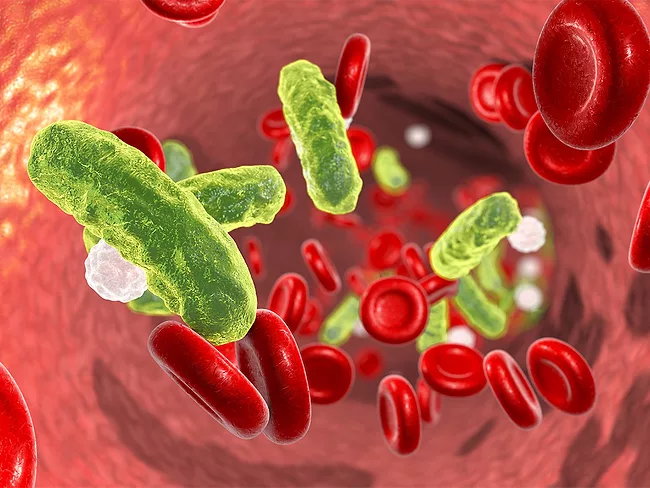
T2 Biosystems Inc. received a third FDA breakthrough device designation with its direct-from-blood molecular diagnostic test for Candida auris. The test joins its T2resistance panel and T2Lyme panel in gaining the breakthrough recognition and the increased access to the FDA that comes with it as the company seeks final approval or clearance. The C. auris test enables identification of the challenging pathogen in three to five hours instead of the several days often required to grow a culture traditionally.
Asep Medical Holdings Inc. reported “ground-breaking” use of artificial intelligence in its SepsetER test to rapidly identify infections at increased risk of severe sepsis. Developed under guidance by Professor Robert E.W. Hancock at the University of British Columbia, analysis of dysfunctional immune responses to identify particular sets of genes could signal when a patient is at risk of acquiring and potentially dying from severe sepsis.
Tetra Bio-Pharma Inc. has received clearance from Health Canada to proceed with a first-in-human trial in Canada using oral ARDS-003 (onternabez) to treat various immunomodulatory conditions. Oral ARDS-003 is positioned to modulate acute systemic inflammation and prevent sepsis, acute respiratory distress syndrome (ARDS) and organ damage.
Researchers from Wenzhou Medical University and affiliated organizations presented the discovery of novel anti-inflammatory agents. Synthesis and optimization of a series of 4-oxo-N-phenyl-1,4-dihydroquinoline-3-carboxamide derivatives led to the identification of compound [I] as the lead, as it exhibited the best inhibitory effect in vitro. More specifically, [I] demonstrated the strongest inhibitory effect on LPS-induced TNF-α (82.58%) and IL-6 (75.05%) expression, while exhibiting no cytotoxicity at 10 μM in J774A.1 macrophages.
Previa Medical SA will begin clinical trials later this year of its artificial intelligence software designed for early detection of sepsis after it raised €2.1 million (US $2.2 million) in seed funds.
Cathepsin L (CTS-L) is a lysosomal enzyme responsible for degrading endocytosed proteins to generate immunogenic antigens for adaptive immunities. In the current study, researchers reported data from a study that aimed to assess the potential of targeting procathepsin L (pCTS-L) as a potential therapeutic strategy against sepsis.
Cytovale Inc. received U.S. FDA 510(k) clearance for its Intellisep sepsis test, which can aid in the diagnosis of the often fatal condition within 10 minutes. Cytovale is one of several companies and collaborations that aim to sharply reduce the time to diagnosis and the mortality rate for sepsis by providing quicker, more informative test results and standardizing protocols.
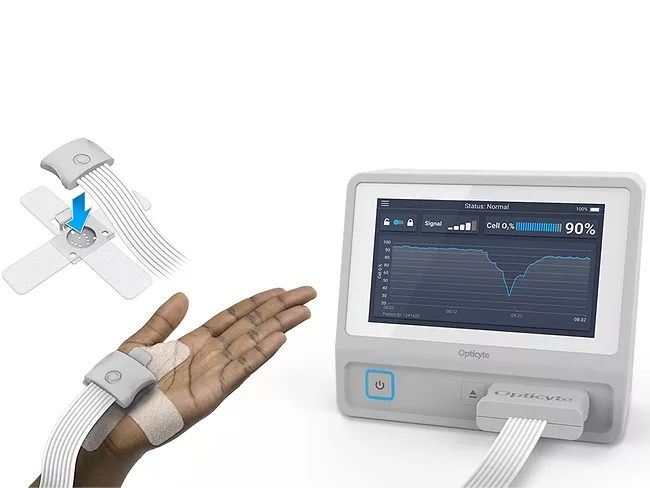
The U.S. FDA has granted Opticyte Inc. a breakthrough device designation for its Cell O2 patient monitor, a noninvasive technology for monitoring patients at risk of organ failure. The device could help to reduce serious illness and deaths by alerting clinicians to patients experiencing organ failure before irreversible damage occurs.