Qrons Inc. has established a collaboration with scientists at a public research university in Israel, by which Tellurium-based compounds in combination with Qrons' QS-200 product candidate and other configurations will be explored as treatment for diffused axonal injuries (concussions), which accounts for approximately 89% of traumatic brain injuries (TBIs).
Tetra Bio-Pharma Inc. has reported results from a study of ARDS-003 (onternabez) combined with favipiravir against acute respiratory distress syndrome (ARDS), sepsis and COVID-19 through PREPAiRE, an artificial intelligence (AI)-powered platform which integrates target identification, validation, lead discovery optimization, drug synthesis and preclinical testing.
Brain-derived neurotrophic factor (BDNF) is a pleiotropic cytokine that has been shown to be involved in metabolic regulation, development of lung disease and support of hematopoiesis, apart from its known roles in the central nervous system. Its plasma levels during sepsis were investigated in this study.
Deepull Diagnostics SL has raised €13 million (US$12.71 million) in a series B round to advance development of a PCR-based rapid diagnostic for the early diagnosis of sepsis and acute infections.
A phase IIb trial of nangibotide in septic shock has demonstrated preliminary signs of efficacy in a subset of biomarker-defined patients and provided its developer, Inotrem SA, with a dataset that will inform the design of a registration program for the drug. Subject to agreement from regulatory agencies, the company aims to move the triggering receptor on myeloid cells 1 inhibitor into a first phase III trial in early 2024. “We should have a clearer picture by the beginning of the second next year,” CEO Sven Zimmermann told BioWorld.
Scientists have discovered that the enzyme aconitate decarboxylase 1 is not an anti-inflammatory mediator in sepsis. In the presence of bacterial toxins, it is involved in the cytokine storm and inflammatory signaling in monocytes and macrophages, becoming a potential therapeutic target against the infection.
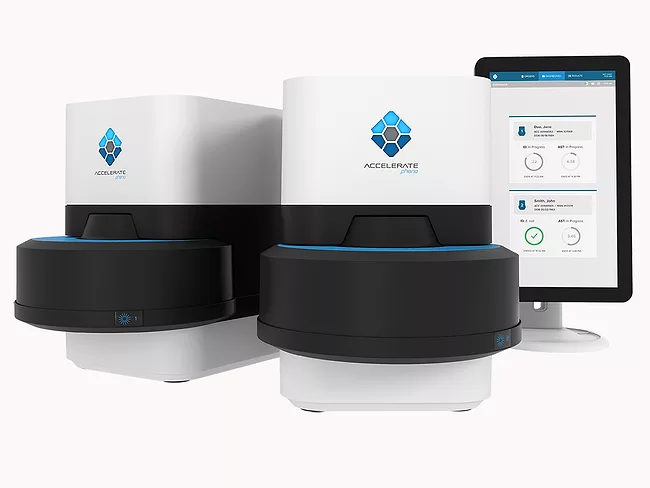
Becton, Dickinson and Co. and Accelerate Diagnostics Inc. joined forces to knock out sepsis and put patients on the path to recovery in hours, not days.
T2 Biosystems Inc. is accelerating development of its T2biothreat and T2resistance panels, direct-from-blood panels that detect the six pathogens most likely to be weaponized and 13 common antibiotic resistance genes, respectively. A $4.4 million Biomedical Advanced Research and Development Authority (BARDA) cost-sharing contract will be used to advance clinical trials for the tests. The total potential funding from BARDA under the contract is $69 million.
Noninvasix Inc. received a breakthrough device designation from the FDA for its noninvasive Livox central venous oxygenation monitor, which allows real-time monitoring of central venous oxygen saturation (ScvO2) in patients at risk of septic shock. The Noninvasix optoacoustic platform consists of a disposable patient interface with a reusable probe, data display and hardware.
PERTH, Australia – The FDA has cleared Immunexpress Inc.’s 510(k) for its Septicyte rapid diagnostic test for sepsis that quantifies the relative expression levels of genes involved in a patient's immune response to infection to aid in a diagnosis in one hour for patients suspected of sepsis. The test uses peripheral blood gene expression biomarkers to provide a probability of sepsis in patients presenting with clinical signs of systemic inflammation.