Thermoablation of thyroid nodules meets the patient’s standard of minimal invasiveness and is supported by the literature as an effective treatment for these nodules, which may become cancerous.
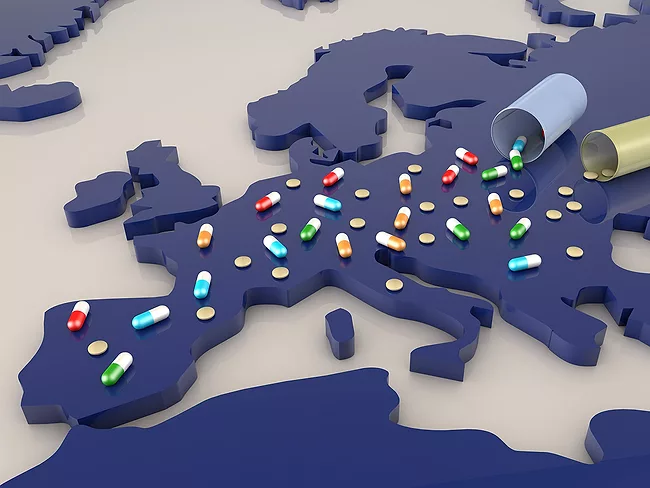
Health ministers from EU member states called for action to “enhance access to innovative medicines” following a Council meeting on June 21, when they agreed to continue work on improving health policy coordination across the bloc. Health must be “kept as a priority” by the new European Commission that is shortly due to start a five-year term, following the June EU elections, ministers said, setting out the key areas where they want the incoming commission to concentrate its efforts.
The industry is again raising concerns that new EU health technology assessment rules coming into force on Jan. 12, 2025, will have the opposite of the desired effect and slow down access to innovative therapies.
With nine months to go before their introduction, the industry is flagging many uncertainties around the proposed guidelines for implementing joint clinical assessments.
The biopharma industry lauded the first steps the Australian government has taken to widen access for drugs and devices via reforms to the current health technology assessment process that has remained unchanged for 30 years.
To date, developers of digital health technologies have had little luck with coverage and reimbursement, but the picture is slowly improving. The U.K.’s National Institute for Health and Care Excellence (NICE) has endorsed two artificial intelligence (AI) algorithms for diagnosis of stroke, although this is limited to an evidence generation framework that puts the sponsors on the hook for generating the data that will allow unlimited use in the U.K.’s trusts.
In 2023, Japan has faced mounting criticism from the pharma industry for its annual price reductions. Ahead of the G7 summit hosted in Japan in May 2023, a delegation of 24 CEOs from the Biopharmaceutical CEO Roundtable met with Japanese Prime Minister Fumio Kishida to discuss global priorities and to flag concerns over drug pricing policies in Japan. Meanwhile, in 2023, China agreed to add 126 drugs to its National Reimbursement Drug List, in a negotiation process that has become more transparent and predictable than ever before. South Korea faces drug pricing reform, while Australia’s government has started an overhaul of its health technology assessment process.
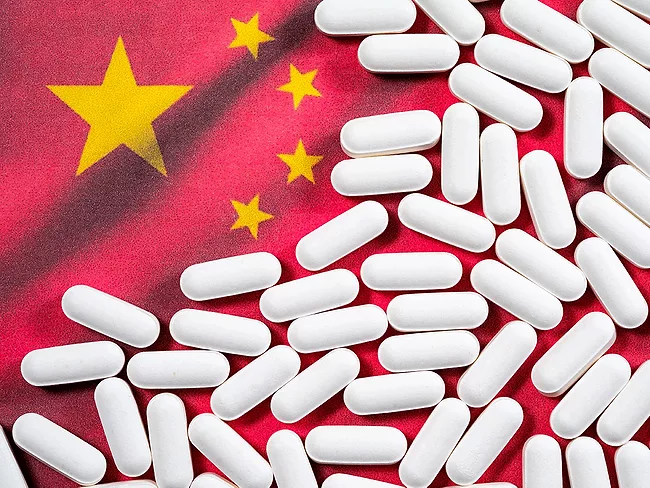
Chinese patients will soon have wider access to newly approved cancer drugs following the publication of the 2024 National Reimbursement Drug List (NRDL) that added 126 new drugs to the list. Price cuts to drugs averaged 61.7%. The additions and cuts are in line with the previous year.
Artificial intelligence (AI) has been approved for use in the U.K. National Health Service (NHS) for the first time, after passing an expedited health technology assessment.
The U.K. National Institute for Health and Care Excellence (NICE) released several draft and final health technology assessments on July 5, including a review of the use of artificial intelligence (AI) to aid in the detection of lung nodules in CT images. The agency said that more research is needed before it will be able to provide an unqualified endorsement because of a relative lack of data that could be reliably generalized from clinical study subjects to the broader U.K. population at large.