Sciwind Biosciences Co. Ltd. said Jan. 30 it won Chinese approval for self-developed glucagon-like peptide-1 (GLP-1) receptor agonist, ecnoglutide (Xianyida), to treat adults with type 2 diabetes.
Nearly three months after winning a contentious bid to buy obesity drugmaker Metsera Inc. for $10 billion, Pfizer Inc. reported its first statistically significant top-line data of the acquired lead, ultra-long-acting glucagon-like peptide-1 (GLP-1) receptor agonist, showing a mean placebo-adjusted weight loss of up to 12.3% at 28 weeks, as well as competitive tolerability.
Sciwind Biosciences Co. Ltd. said Jan. 30 it won Chinese approval for self-developed glucagon-like peptide-1 (GLP-1) receptor agonist, ecnoglutide (Xianyida), to treat adults with type 2 diabetes.
Boehringer Ingelheim Pharma GmbH & Co. KG has synthesized peptide-lipid drug conjugates comprising a neuromedin U NMU2 receptor agonist peptide. They are reported to be useful for the treatment of obesity.
Astrazeneca plc has signed a new strategic collaboration agreement with CSPC Pharmaceutical Group Ltd. to advance the development of next-generation therapies for obesity and type 2 diabetes across eight programs.
Insilico Medicine Cayman Topco has nominated ISM-0676 as a preclinical candidate targeting the glucose-dependent insulinotropic polypeptide receptor (GIPR).
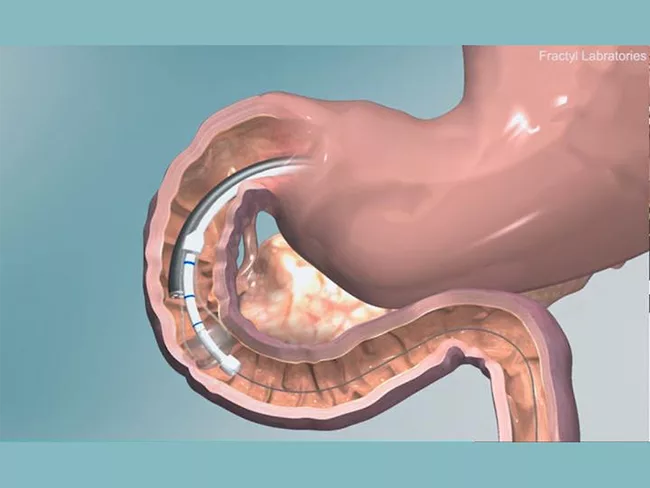
Six-month results from the REMAIN-1 trial showed that Fractyl Health Inc.’s Revita procedure cut post-GLP-1 weight regain by about 70% compared with a sham procedure in patients who discontinued incretin-based drugs such as semaglutide and tirzepatide after achieving substantial weight loss.
Tetrapharm (Tetra Pharm Technologies ApS) has announced promising preclinical data for TPC-026 for the chronic treatment and long-term management of metabolic disorders, including obesity. The preclinical findings support TPC-026 as a differentiated therapeutic candidate, designed to address underlying disease mechanisms, rather than symptoms alone.
Novo Nordisk A/S has disclosed GLP-1 polypeptide analogues acting as glucagon-like peptide-1 receptor (GLP-1R) agonists. As such, they are reported to be useful for the treatment of obesity and diabetes.
Corxel Pharmaceuticals Ltd. completed a $287 million series D round to advance its lead compound, an oral small-molecule GLP-1 receptor agonist, CX-11, for obese and overweight patients.