Preveceutical Medical Inc. is working to accelerate the completion of its preclinical diabetes and obesity dual gene therapy program. The company is pursuing a dual-gene therapy strategy using in vitro validated Smart-siRNA sequences, which when paired with its proprietary bioresponsive lipid-nanoparticulate delivery systems, effectively target the PTPN1 gene.
5’-AMP-activated protein kinase (AMPK) is a serine/threonine protein kinase that regulates energy levels by sensing cellular fuel status and it is highly expressed in metabolic tissues, such as adipose tissue, where it is activated upon energy deprivation or cellular stress stimuli, among others.
Fractyl Health Inc. has expanded an academic-industry scientific partnership focused on advancing research on the role of the gut and pancreas in metabolic disease.
A recognized link exists between oxidative stress, obesity and atrial fibrillation (AF). NADPH oxidase 2 (NOX2) serves as a significant contributor to reactive oxygen species (ROS) production in the heart, and it is known to be elevated in obese mice.
Corbus Pharmaceuticals Holding Inc. has described cannabinoid CB1 receptor antagonists or inverse agonists reported to be useful for the treatment of cancer, dyslipidemia, diabetes, obesity, cardiovascular, inflammatory and liver diseases.
Biolexis Therapeutics Inc. has reported the launch of Metabolexis, a new pipeline company developing three targeted oral small molecules for the treatment of obesity and type 2 diabetes.
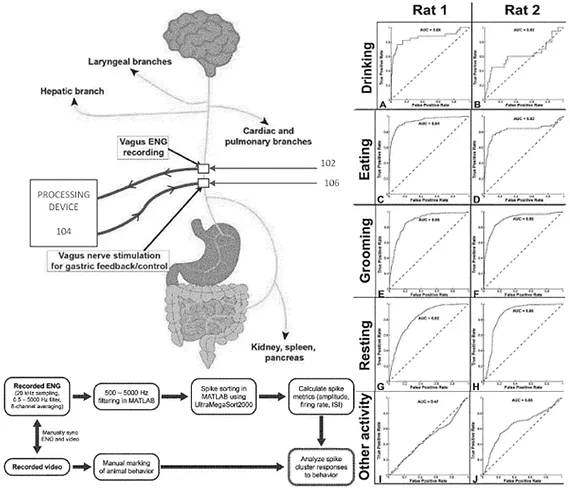
Researchers from Case Western Reserve University have filed for patent protection for a system and method for treating obesity or other gastric and/or metabolic disorders via closed-loop vagus nerve stimulation.
Huadong Medicine Co. Ltd. recently detailed the discovery and preclinical characterization of a potent and selective small-molecule glucagon-like peptide-1 receptor (GLP-1R) agonist, HDM-1002, under investigation for the treatment of type 2 diabetes and obesity.
“Digital therapeutics (DTx) for obesity may seem light years away,” Rhee Sang-youl, of Kyung Hee University Medical Center (KHMC), said to the Korea Society of Cardiology (KSC) 2023 audience members on October 13, “but the reality is that it’s right in front of us.”
M-43 is a recombinant analogue of fibroblast growth factor-1 (FGF-1) that has been previously shown to bind the insulin receptor (InsR), activate insulin-like cellular signaling and reduce insulin resistance. Researchers from Celon Pharma SP have recently presented results on the efficacy of the candidate as assessed in Zucker diabetic fatty (ZDF) rats.