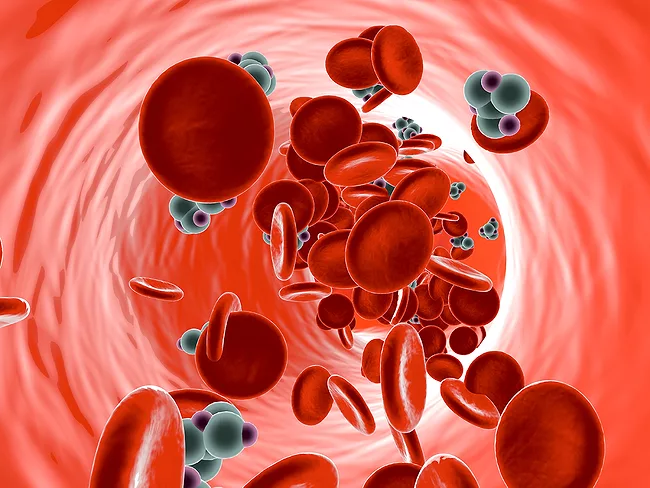
Mainly expressed in the liver, microRNA‑122‑5p (miR‑122) exhibits increased circulating levels in the context of obesity. When elevated in the bloodstream, miR-122 can act on extrahepatic tissues, including vascular endothelial cells, where it contributes to endothelial dysfunction and may promote the development of diabetic vascular complications.
Interax Biotech Ltd. and Alveus Therapeutics Inc. have signed a strategic research collaboration and licensing agreement to develop a differentiated small-molecule candidate for metabolic disease. Designed to overcome the limitations of current obesity medications, the candidate is expected to deliver durable weight loss with superior tolerability.
Neurocrine Biosciences Inc. has disclosed chemically modified polypeptides acting as gastric inhibitory polypeptide receptor (GIPR) and/or glucagon receptor (GCGR) and/or glucagon-like peptide 1 receptor (GLP-1R) agonists reported to be useful for the treatment of obesity.
Incregen Therapeutics LLC has advanced INC-118, a glucose-dependent insulinotropic polypeptide (GIP) ligand antagonist designed to address long-term obesity management, into IND-enabling studies.
Kallyope Inc. has outlined plans to initiate phase I studies this year with K-554, a non-incretin peptide candidate offering a new mechanism of action in obesity.
Fortvita Biologics Inc. has described glucagon-like peptide 1 receptor (GLP-1R) agonists reported to be useful for the treatment of autoimmune diseases, cardiovascular disorders, inflammatory disorders, diabetes, lung diseases, neurological disorders, obesity and renal disorders, among others.
In a threshold event in the U.S., Medicare is planning to break through its obesity coverage barrier with a voluntary test of a model designed to enable Medicare Part D plans and state Medicaid programs to cover GLP-1 drugs prescribed for weight management.
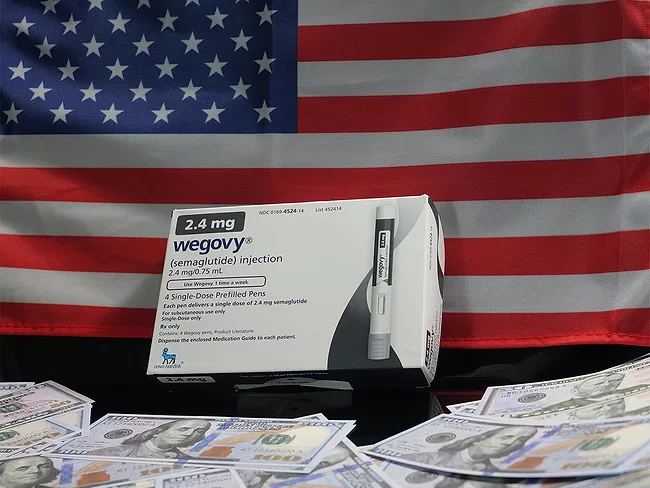
Needle-phobic obesity patients got their first workaround with the U.S. FDA clearance of Novo Nordisk A/S’ once-daily GLP-1 Wegovy (semaglutide) pill, the first of its kind.
Enveda has obtained IND clearance from the FDA and commenced dosing in a phase I study of ENV-308, a once-daily oral therapy designed for chronic weight management.
Fat tissue balances energy by storing lipids during times of abundance and mobilizing them when needed, yet sustained metabolic stress demands mechanisms that limit excessive lipid loss. Researchers at the University of California San Diego (UCSD) report that stress-induced fat breakdown triggers a neutrophil response in visceral adipose tissue that feeds back to restrain lipolysis and preserve lipid reserves.