Neurocrine Biosciences Inc. has disclosed chemically modified polypeptides acting as gastric inhibitory polypeptide receptor (GIPR) and/or glucagon receptor (GCGR) and/or glucagon-like peptide 1 receptor (GLP-1R) agonists reported to be useful for the treatment of obesity.
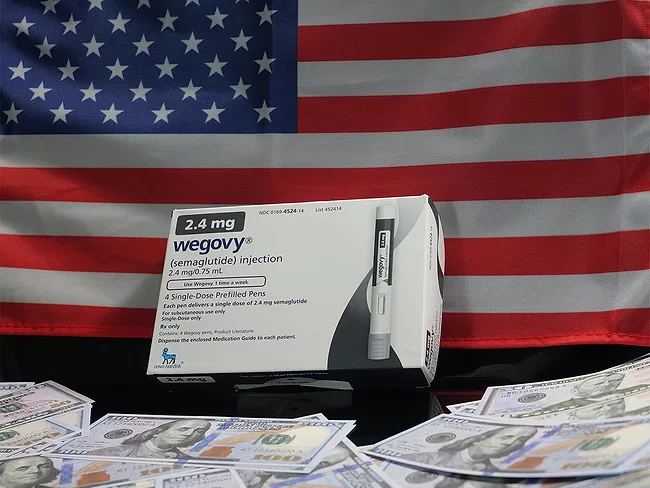
Years after approving three glucagon-like peptide-1 (GLP-1) receptor agonists to treat obesity, the U.S. FDA is acknowledging that the drugs don’t have the same risk seen with older weight-loss medicines. Citing its post-market evaluation that found no increased risk of suicidal ideation or behavior, the U.S. FDA is requesting that the risk be removed from the warnings and precautions section of labeling for the GLP-1 obesity drugs – Eli Lilly and Co.’s Zepbound (tirzepatide) and Novo Nordisk A/S’ Saxenda (liraglutide) and Wegovy (semaglutide).
Incregen Therapeutics LLC has advanced INC-118, a glucose-dependent insulinotropic polypeptide (GIP) ligand antagonist designed to address long-term obesity management, into IND-enabling studies.
There are two significant messages for companies developing and profiting from obesity drugs in a meta-analysis of clinical trials examining the extent of weight regain after treatment stops. First, people taking obesity medication regain weight four times faster on average than those who lose weight through behavioral diet and exercise programs; and second, poor tolerability leads to poor adherence.
Kallyope Inc. has outlined plans to initiate phase I studies this year with K-554, a non-incretin peptide candidate offering a new mechanism of action in obesity.
Biopharma industry zeal for obesity therapeutics does not appear to be dying down any time soon, with Eli Lilly and Co. entering a $1.3 billion deal with Nimbus Therapeutics LLC for a new small molecule, and Arrowhead Pharmaceuticals Inc. rolling out phase I/IIa data of its RNAi therapeutics used in combination with Lilly’s GLP-1/GIP receptor agonist tirzepatide.
Sustaining healthy weight loss is about much more than cutting calories or injecting drugs, as many glucagon-like peptide-1 (GLP-1) receptor agonist users are discovering. Widely seen as miracle drugs, semaglutide, tirzepatide and related medications have transformed the treatment of obesity and diabetes and apparently lessened the need for medical device intervention in many instances. However, many patients will still need surgical intervention to achieve their weight loss goals.
When glucagon-like peptide-1 (GLP-1) receptor agonists entered the market for obesity and overweight indications in recent years, the uptake and enthusiasm drove investor excitement for companies advancing any of the new mechanisms in the space.
Fortvita Biologics Inc. has described glucagon-like peptide 1 receptor (GLP-1R) agonists reported to be useful for the treatment of autoimmune diseases, cardiovascular disorders, inflammatory disorders, diabetes, lung diseases, neurological disorders, obesity and renal disorders, among others.
In a threshold event in the U.S., Medicare is planning to break through its obesity coverage barrier with a voluntary test of a model designed to enable Medicare Part D plans and state Medicaid programs to cover GLP-1 drugs prescribed for weight management.