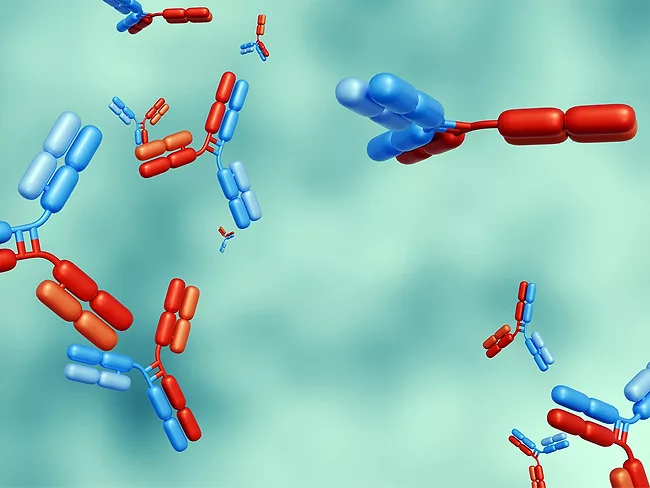
Incyte Corp. has developed and presented data for their CD70xCD3 bispecific antibody INCA-036873, which was designed to activate T cells and kill tumoral cells expressing CD70.
With incidence of kidney cancer rising in the U.K., the National Institute for Health and Care Excellence (NICE) published its first comprehensive guidelines for diagnosing and treating the disease.
Oddsmakers wasted no time figuring the market chances after Merck & Co. Inc. rolled out data from the phase III Litespark-011 study testing its oral hypoxia-inducible factor-2 alpha (HIF-2α) inhibitor, Welireg (belzutifan), when used with tyrosine kinase inhibitor Lenvima (lenvatinib, Eisai Co.) in advanced renal cell carcinoma.
Nextpoint Therapeutics Inc. has obtained IND clearance from the FDA to initiate clinical development of NPX-372, a first-in-class B7-H7-targeted T-cell engager (TCE) for the treatment of patients with solid tumors.
Arcus Biosciences Inc. and partner Gilead Sciences Inc. are scrapping phase III work with anti-TIGIT antibody domvanalimab after an independent data monitoring committee said the drug will fail in gastric and esophageal cancers.
SK Biopharmaceuticals Co. Ltd. has signed a license agreement with the Wisconsin Alumni Research Foundation (WARF) to acquire rights to WARF’s WT-7695, a preclinical-stage radiopharmaceutical therapy candidate developed in collaboration with the University of Wisconsin-Madison.
Peptidream Inc. has submitted IND applications to the FDA to initiate phase I studies of [225Ac]PD-32766, as a potential radiotherapeutic, and [64Cu]PD-32766, as the radiodiagnostic pair, for patients with clear cell renal cell carcinoma (ccRCC).
Renal cell carcinoma accounts for approximately 90% of kidney cancers, and current treatments fail to prevent metastasis in up to 40% of patients. Potentially effective is immunotherapy based on CAR T cells that recognize CD70, which is little expressed in normal tissues but is expressed in more than 80% of renal cell carcinomas. However, such CAR T immunotherapy has so far not shown overwhelming success against renal cell carcinoma, and the therapeutic cells must be derived for each patient individually.
Telix Pharmaceuticals Ltd. received an FDA complete response letter (CRL) a day after the Aug. 27 PDUFA date for its BLA for radiopharmaceutical renal cancer imaging agent, Zircaix (TLX250-CDx, 89Zr-DFO-girentuximab).