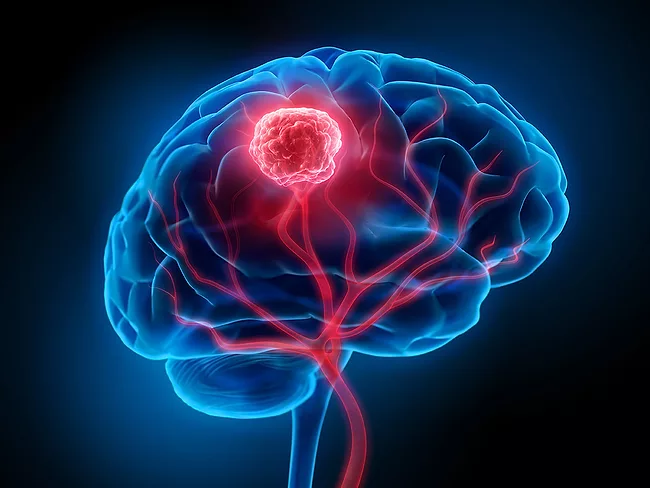
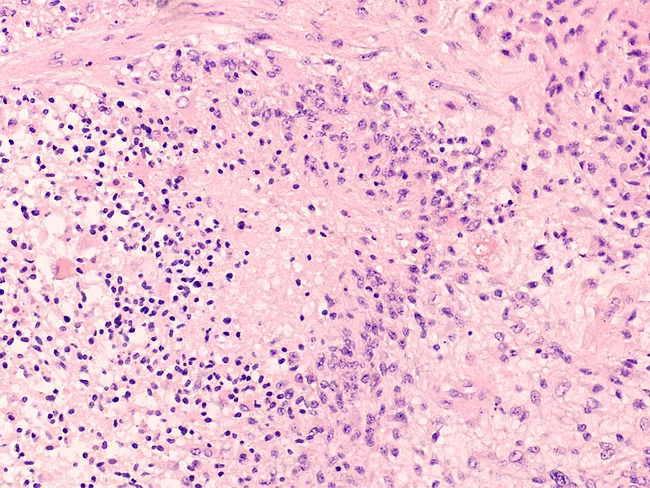
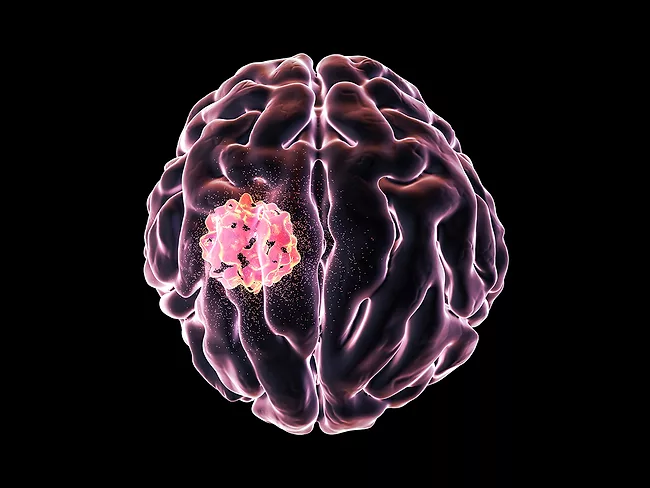
Glioblastoma multiforme (GBM) is an aggressive and highly invasive intracranial tumor arising from the malignant transformation of brain and spinal cord cells. To date, surgery followed by adjuvant chemotherapy is the standard therapy for treating GBM, where temozolomide is the only first-line FDA-approved drug for GBM treatment. The aim of this study from Shenzhen University was to test the effect of a novel chloroethyl nitrosourea analog, HJ-03, in the treatment of GBM, which might overcome temozolomide resistance.
Sprint Bioscience AB has announced positive results from a preclinical proof-of-concept (POC) study performed within the company’s VRK1 program that showed that VRK1 inhibition selectively kills glioblastoma cells with low VRK2 levels, while cells with normal VRK2 levels are not affected.
Similarities among three pediatric brain tumors that arise in different structures of the CNS – pineoblastoma, retinoblastoma and Group 3 medulloblastoma – have been linked to their shared origin during pineal gland development. Scientists at St. Jude Children’s Research Hospital have identified the molecular signatures that drive these tumors from pinealocyte progenitor cells that conserve a common differentiation program, providing a shared therapeutic target for these three cancer types.
Similarities among three pediatric brain tumors that arise in different structures of the CNS – pineoblastoma, retinoblastoma and Group 3 medulloblastoma – have been linked to their shared origin during pineal gland development. Scientists at St. Jude Children’s Research Hospital have identified the molecular signatures that drive these tumors from pinealocyte progenitor cells that conserve a common differentiation program, providing a shared therapeutic target for these three cancer types.
Beactica Therapeutics AB, together with researchers at KU Leuven, has been awarded a €2.5 million (US$3.0 million) grant by the European Innovation Council (EIC) to advance BEA-17, a precision immune therapy for glioblastoma.
Glioblastoma (GBM) is the most common and highly aggressive primary brain tumor in adults. MicroRNAs (miRNAs) are pleiotropic post-transcriptional regulators of oncogenic pathways, and frequently lose their tumor-suppressive function in GBM. Researchers from the Istituto Italiano di Tecnologia previously identified a group of 11 pro-neurogenic miRNAs that supports adult neurogenesis by jointly regulating multiple targets in mouse neural stem cells. Writing in Molecular Therapy Nucleic Acids, they present a study where they examined the expression of these 11 miRNAs across glioma grades and GBM subtypes in patients.
Australian researchers have found a drug combination that can bypass the cellular defenses in neuroblastoma that lead to relapse, and the discovery could lead to better treatment strategies for children whose cancers have stopped responding to standard chemotherapy.
Australian researchers have found a drug combination that can bypass the cellular defenses in neuroblastoma that lead to relapse, and the discovery could lead to better treatment strategies for children whose cancers have stopped responding to standard chemotherapy.
Treatment in glioblastoma usually fails due to tumor heterogeneity and persistence of glioblastoma multiforme stem-like cells (GSCs) within the tumor margin. Researchers from Trogenix Ltd. engineered TGX-007, an AAV1-mediated therapeutic that delivers both cytotoxic and immunomodulatory genetic payloads to the tumor.
Shanghai Apeiron Biotechnology Co. Ltd. has divulged protein arginine N-methyltransferase 5 (PRMT5) inhibitors reported to be useful for the treatment of brain metastatic cancer.