Limaca Medical Ltd. received U.S. FDA 510(k) clearance for its Precision for gastrointestinal (GI) endoscopic ultrasound (EUS) biopsy device which the company said allows for faster, more efficient and safer collection of tumor tissue samples. The approval follows the receipt of breakthrough device designation, and the deployment of the device into the U.S. market should lead to more efficient and effective diagnosis of GI cancers.
The pivotal ADVENT trial of the Farapulse pulsed field ablation (PFA) system developed by Boston Scientific Corp. returned positive results at one year, according to a presentation at the ESC Congress 2023 that was simultaneously published in the New England Journal of Medicine. The study compared Farapulse, a nonthermal treatment that ablates heart tissue, to radiofrequency or cryoablation, the current standards of care for paroxysmal atrial fibrillation.
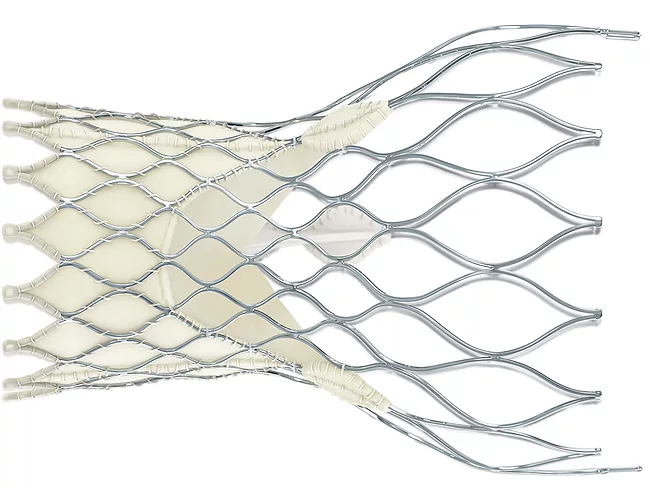
Medtronic plc presented 10-year results from its ongoing trial comparing transcatheter aortic valve implantation with surgical aortic valve replacement. The results support use of the Medtronic Corevalve platform for lower risk of severe valve deterioration compared to surgical replacement.
The European Commission has granted CE mark approval to Medtronic plc for its Inceptiv closed-loop rechargeable spinal cord stimulator (SCS). The device is the first Medtronic SCS to sense an individual’s biological cues and make adjustments in real time to control pain all day long. Dublin-based Medtronic plans to launch Inceptiv in Europe in the coming months.
Dublin-based Medtronic plc. has invested considerable resources into its renal denervation program, but the company has not completed its regulatory journey for the U.S. market just yet. Medtronic failed to persuade an FDA advisory committee of the virtues of its Symplicity Spyral device due to inconsistent results from the two major studies presented at the hearing but vowed to keep working on the application despite the sustained headwinds.
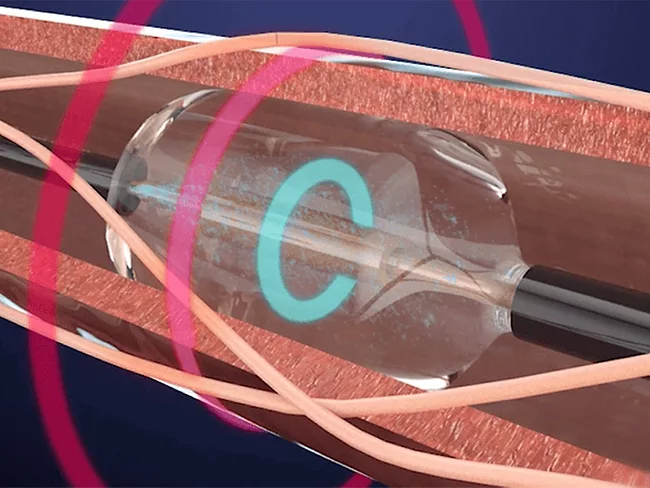
The age of renal denervation as a treatment for hypertension may have finally arrived in the U.S. with the affirmative U.S. FDA advisory vote for the Paradise system for renal denervation by Recor Medical Inc., of Palo Alto, Calif. The 12-member advisory committee vote unanimously that the data suggested the ultrasound-based device was safe and voted 8-3 in support of the Paradise’s efficacy, an outcome that the agency may find difficult to refute, given the large public health impact of hypertension in the U.S.
Cathvision ApS received U.S. FDA clearance for two artificial intelligence (AI) models, the PVI Analyzer, and Signal Complexity, which are part of a suite of algorithms designed to help electrophysiologists improve the diagnosis and treatment of complex atrial arrhythmias, including atrial fibrillation. The two algorithms are part of Cathvision’s Cardialytics suite of AI-powered analytics integrated into its Ecgenius system, an electrophysiology recording system that helps with electrogram interpretation.
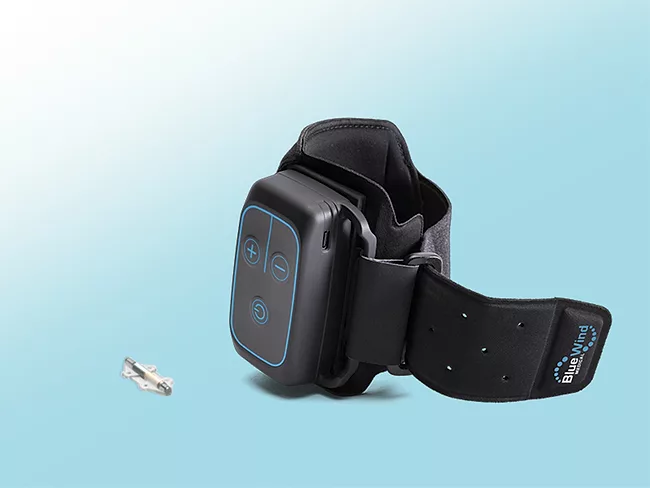
The U.S. FDA granted the de novo marketing request for Bluewind Medical Ltd.’s Revi system for the treatment of urgency incontinence with or without urinary urgency, the company reported on August 17. Unlike other neuromodulation devices approved in recent years, Revi stimulates the tibial nerve instead of the sacral nerves.
The inter partes review (IPR) process used to adjudicate patent disputes in the U.S. has had its share of critics, but ongoing patent litigation revolving around nerve stimulation technology between Axonics Inc., and Medtronic plc has disclosed another bone of contention in how IPRs are handled. The Court of Appeals for the Federal Circuit has ruled that a patent holder, Dublin-based Medtronic in this instance, can offer a new claim construction for its disputed patent once an IPR has been instituted, but said also that the Patent Trial and Appeal Board (PTAB) had erred in not allowing Axonics to respond to the new claim construction, sending the related IPRs back to the PTAB for another look.
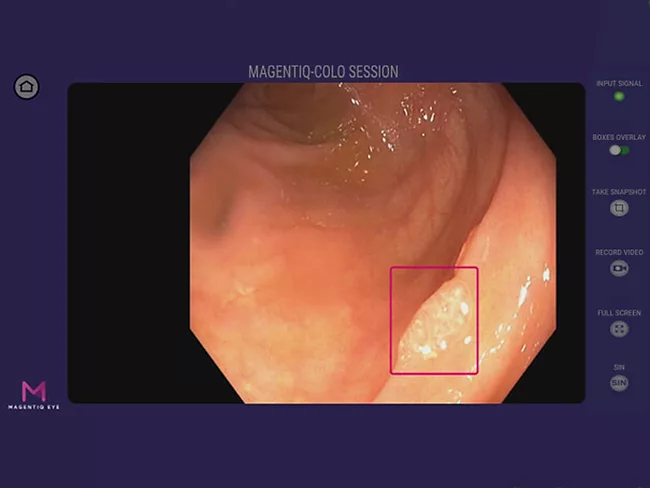
Magentiq-Eye Ltd. received U.S. FDA 510(k) clearance for its Magentiq-Colo, an artificial intelligence (AI) gastrointestinal software system that helps detect lesions in real time during colonoscopy procedures. With the rate of colorectal cancer expected to increase steadily through the decade, the company hopes that Magentiq-Colo will offer the gastroenterology community and its patients a significant increase in the adenoma detection rate.