The COVID-19 pandemic has hit supplies and devices across a broad range of categories over the past two years, and the latest addition to the list is the blood collection tube. The FDA announced that this shortage affects all types of blood collection tubes, thus affecting tubes for all uses, not just those used for testing for the SARS-CoV-2 virus.
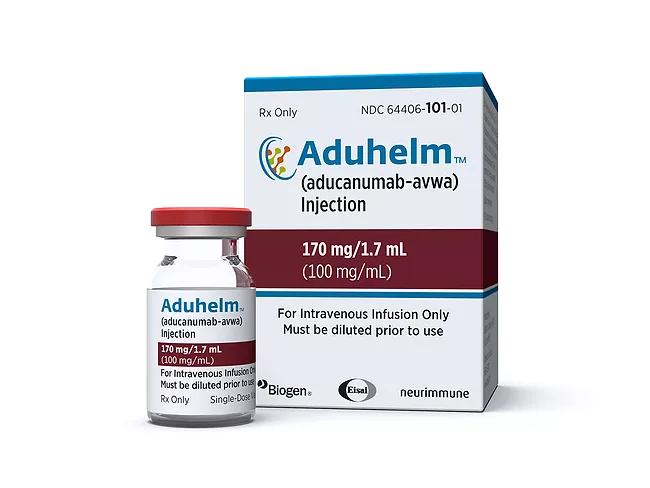
In proposing a national coverage determination to limit coverage of a class of Alzheimer’s drugs to those being used in clinical trials approved by the U.S. Center for Medicare & Medicaid Services or the NIH, CMS appears to be treading in FDA territory. “For the first time ever, Medicare is second-guessing FDA – and not only on work that it has already done, but on work FDA will do in the future,” said George Vradenburg, chair and co-founder of Us Against Alzheimer’s, a patient advocacy group. “HHS [the Department of Health and Human Services] is clearly at war with itself, with one agency approving this class of drugs and another slamming the door shut on treatment. . .. Does CMS no longer trust the FDA’s work?”
The U.K. National Institute for Health and Care Excellence (NICE) has recommended the use of the Kardiamobile as an option for detecting atrial fibrillation (AF) events in patients diagnosed with suspected paroxysmal AF. Alivecor Inc., of Mountain View, Calif., is the obvious beneficiary of the recommendation, a good bit of news given the company’s struggles to maintain patent protection for its products.
This could be a make-or-break week for Biogen Inc., with the U.S. Centers for Medicare & Medicaid Services (CMS) expected to announce a draft coverage decision for the company’s Alzheimer’s drug, Aduhelm.
Genetic testing for health care purposes took a hit with the onset of the COVID-19 pandemic, but there are concerns about the volume of these tests in the four years before the onset of the pandemic. The U.S. Office of Inspector General (OIG) said recently that the data suggest possible fraud and abuse of the Medicare program, and that the picture suggests a need for a more concerted regulatory effort by the CMS.
PERTH, Australia – Australia should be at the front of the line among developed nations when it comes to innovative drugs and devices, but health policies must evolve to respond to changes in technology and global trends, Johnson & Johnson (J&J) said. Although Australia’s health policy has served the country well, tensions in the system are becoming seismic shifts that mirror international trends, J&J said in a recent report on Australia’s health system.
Pharmaceutical companies in China will cut the prices for more than five dozen drugs by an average of 61.7% to get them on the latest version of the country’s National Drug Reimbursement List. The National Healthcare Security Administration released the new list on Dec. 3, 2021. The new list includes 74 new drugs, the vast majority of which are branded products without generic versions in China. Only seven of the new drugs on the list have generic versions.
The U.S. Centers for Medicare & Medicaid Services (CMS) finally laid to rest the rule for Medicare Coverage of Innovative Technology (MCIT), a policy proposal that found favor with industry and with several patient groups. However, the news comes shortly after a bipartisan group of 10 senators had penned a letter to the agency to reissue the rule, reinforcing the prospect that the MCIT proposal will find widespread support in the halls of Congress in 2022.
Arthrex Inc., of Naples, Fla., is well known for lobbing a legal hand grenade into the inter partes review (IPR) process for patent disputes, but the company is now drawing ink for a different legal reason. According to the U.S. Department of Justice (DoJ), Arthrex has agreed to pay $16 million to settle allegations that it engaged in kickbacks to a surgeon, payments ostensibly made to pay for assistance with device design, but which the DoJ claims were intended to induce the surgeon’s use and endorsement of Arthrex products.
The U.S. Centers for Medicare & Medicaid Services (CMS) has withdrawn the proposal to provide automatic Medicare coverage of FDA breakthrough devices, but the proposal may not be as dead as it once seemed.