The annual publication of the draft Medicare physician fee schedule (MPFS) is an event, but this year’s draft has drawn substantial criticism from across the board, despite the promise of more coverage of telehealth. The Medical Imaging & Technology Association (MITA) and a coalition of surgeons have blasted the draft as a hazard to patient access to both evaluation and management (E/M) services and surgical procedures, both of which present substantial headwinds for the medical device industry.
PARIS – France’s Medical Device and Health Technology Evaluation Committee (CNEDiMTS), has published it latest annual activity report. This committee of the French National Authority for Health (HAS) evaluates medical devices with a view to their coverage by L’Assurance Maladie, the body which manages health care in France.
The support for permanent changes to Medicare coverage of telehealth has risen drastically in the months since the COVID-19 pandemic began, but Krista Drobac of Sirona Strategies said on a July 23 webinar that stakeholders will have to help make the case that telehealth is cost effective. That cost effectiveness argument may be absolutely crucial if any of the related legislative proposals are to stand up to budget scoring in a time of skyrocketing U.S. budget deficits, she said.
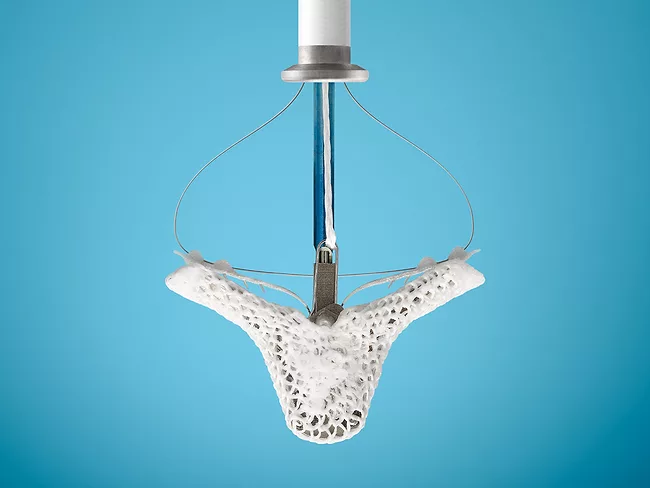
The U.S. Centers for Medicare and Medicaid Services (CMS) posted the much-anticipated draft do-over of the mitral valve repair device coverage memo, and in the process renamed the policy the mitral valve transcatheter edge-to-edge repair (TEER) national coverage memo.
PARIS – Carmat SA, which is based in Vélizy Villacoublay, France, reported the first implantation of its bioprosthetic artificial heart at the Heart Center of the Rigshospitalet in Copenhagen, Denmark.
PARIS – April 2020 was a milestone month for the key players in interventional cardiology in France. The reimbursement system in France is finally opening its doors to the drug-eluting balloon (DEB), following years in the wilderness.
The Office of the National Coordinator (ONC) and CMS both posted their final rules for electronic health records (EHRs), and analysts with Cowen Washington Research Group said both rules essentially replicate the draft versions. The provisions dealing with data blocking and interoperability are expected to benefit developers of HER systems in the near term, and telehealth should also benefit, albeit over a longer scale of time.
PARIS – The Syndicat National de l'Industrie des Technologies Médicales (SNITEM), the French national association of medical technology manufacturers, has just released a study looking at the development of this industrial sector in that country. This snapshot, produced every two years by the firm D&Consultants SAS on behalf of Courbevoie, France-based SNITEM and the bank Bpifrance SA, is based on a dual quantitative and qualitative approach.
The U.S. Centers for Medicare and Medicaid Services (CMS) announced it may tack on another three years to the Comprehensive Care for Joint Replacement (CJR) program, proposing among other things to drop the 50% cap on gainsharing payments. Analysts with Cowen Washington Research Group, of New York, said post-acute care providers are at greater risk than device makers with the extension, however, due to the fact that hospitals have several choices in terms of discharge destination, including the patient’s home.
Medicare coverage of ventricular assist devices assumes the patient is either in end-stage heart failure or could become a candidate for transplant, but that approach may soon change. Abbott Laboratories, of Abbott Park, Ill., has asked that Medicare coverage assume the patient can recover myocardial function, a paradigm shift that is backed by clinical evidence.