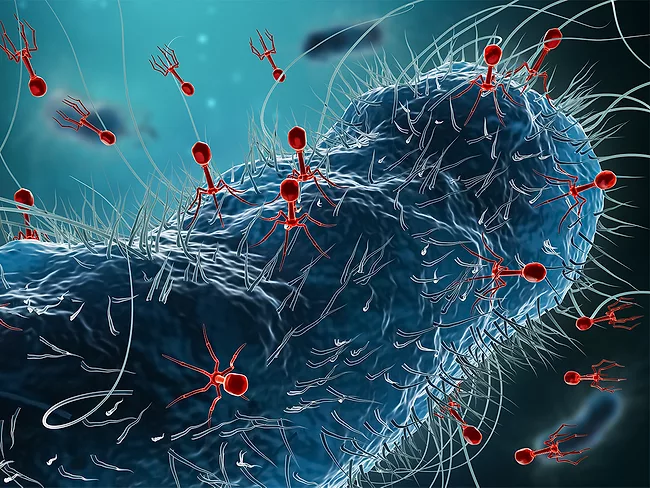
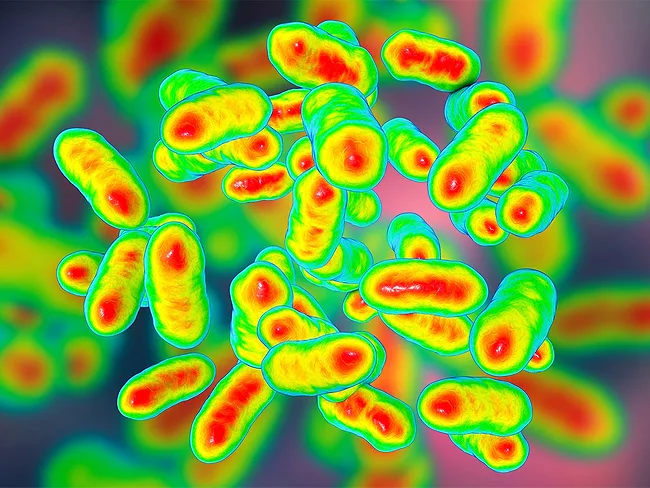
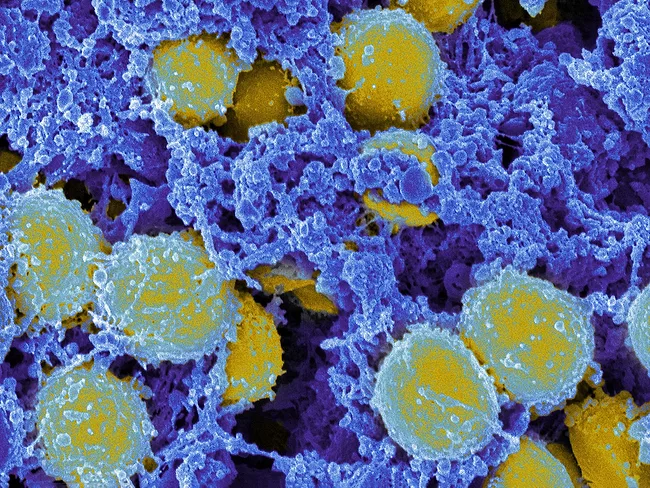
Certain chemical compounds can disable the bacterial immune systems that protect them from viruses, making the bacteria vulnerable to infection. Scientists at Indiana University have discovered a promising compound that works in different types of bacteria and could be used to develop potent and diverse phage therapies against bacterial infections, ultimately giving clinicians more options against antibiotic resistance.
One in six common bacterial infections diagnosed worldwide in 2023 were resistant to treatment with antibiotics, according to the latest surveillance data gathered by the World Health Organization (WHO). Drug-resistant gram-negative bacteria that cause bloodstream infections that can lead to sepsis, organ failure and death are an increasing threat globally.
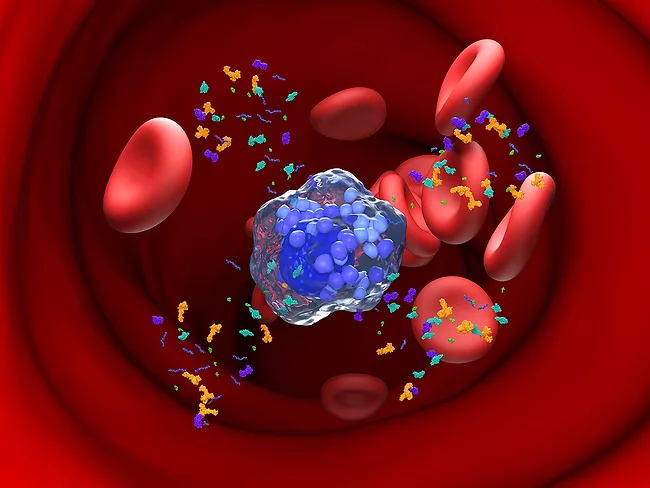
A peptide with a dual mechanism of action – it dissolves the bacterial membrane and activates the immune system – could be an effective weapon against microorganisms that have evolved ways to evade antibiotics, as superbugs do. Scientists at the University of Pennsylvania (UPenn) have designed stable synthetic peptides that activate mast cell receptors, which are cells involved in the innate and adaptive immune response. This dual approach eliminates bacteria and recruits neutrophils to finish the job.
Zai Lab and Pfizer Inc. are teaming up in China to fight the deadly carbapenem-resistant Acinetobacter baumannii (CRAB) infection with novel antibacterial drug Xacduro (sulbactam-durlobactam). Through the collaboration, Zai Lab will leverage Pfizer’s commercial infrastructure in the anti-infective space to widen access to Xacduro in mainland China. Terms of the deal were not released.
Zai Lab and Pfizer Inc. are teaming up in China to fight the deadly carbapenem-resistant Acinetobacter baumannii (CRAB) infection with novel antibacterial drug Xacduro (sulbactam-durlobactam). Through the collaboration, Zai Lab will leverage Pfizer’s commercial infrastructure in the anti-infective space to widen access to Xacduro in mainland China. Terms of the deal were not released.
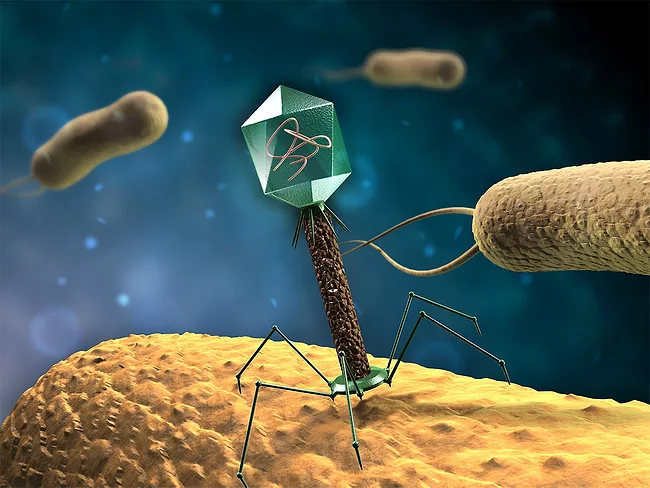
The spread of drug-resistant bacteria is a global health concern and could once again become a leading cause of mortality. The World Health Organization has flagged carbapenem-resistant Acinetobacter baumannii as a top priority pathogen requiring innovative therapies for its management, which has a mortality rate of 25%-60% and caused more than 100,000 deaths worldwide in 2019. Therapy based on the use of bacteriophages (phages) to fight antibiotic-resistant bacteria is one such innovative strategy.
The spread of drug-resistant bacteria is a global health concern and could once again become a leading cause of mortality. The World Health Organization has flagged carbapenem-resistant Acinetobacter baumannii (CRAB), which has a mortality rate of 25%-60%, as a top priority pathogen requiring innovative therapies for its management. Researchers from the HUN-REN Biological Research Centre in Hungary have published a paper in Cell in which they describe designing and developing phage cocktails that target the most prevalent CRAB strains within specific geographic regions by using phylogeographic analysis and mapping the pathogen’s genetic diversity.
The gastrointestinal tract could be key to developing new drugs to combat resistant bacteria. Computational analysis of the human microbiome has revealed a new class of peptides with antimicrobial potential that, once synthesized, inhibited the growth of several microorganisms in vitro and in vivo.
Antibiotic resistance represents a global threat that leads to high morbidity and mortality. There is an urgent need for new strategies to combat persistent and resistant bacteria.
Astek Diagnostics Inc. has wound up a successful $2 million early stage VC funding round to support the development and launch of a medical device designed for the speedy recovery of patients suffering from urinary tract infections (UTI). The Baltimore-based startup has designed a benchtop analyzer and disposable cartridge called the Jiddu that can detect bacterial infection in urine in one hour.