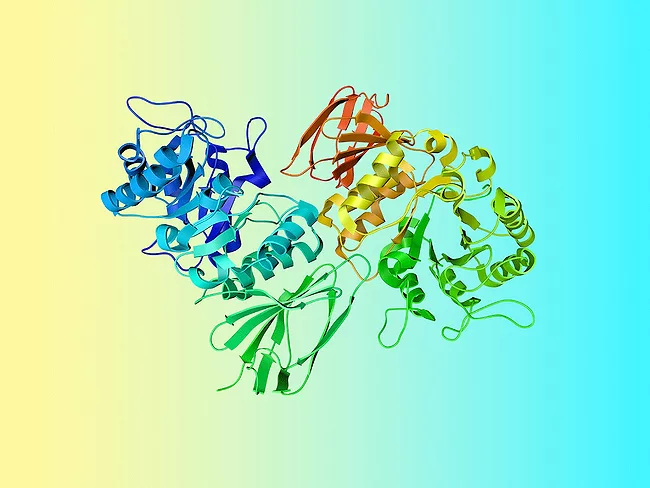
Fabry disease is a rare X-linked lysosomal storage disorder where a deficiency in α-galactosidase A (GLA) results in the pathological accumulation of globotriaosylceramide (Gb3 or GL-3) and other glycosphingolipids in vascular endothelial cells, nerve cells, cardiomyocytes and renal cells.
After almost 30 years in business, Sangamo Therapeutics Inc. is finally nearing a BLA filing for one of its programs. But the company, wounded by the recent loss of alliances with Biogen Inc. and Novartis AG, is also running out of cash and investor interest – and it badly needs a new deal to stay afloat.
Fabry disease is a metabolic disease characterized by a deficiency in the lysosomal α-galactosidase enzyme caused by mutations in the GLA gene. This leads to substrate accumulation in the lysosomes, cellular dysfunction and organ damage.
On the heels of the marketing OK in Europe, Protalix Biotherapeutics Inc. and the Chiesi Group’s global rare diseases unit scored approval of Elfabrio (pegunigalsidase alfa-iwxj) from the U.S. FDA for adults with Fabry disease.
The fortunes of Protalix Biotherapeutics Inc. improved dramatically with phase III results from the Fabry disease study called Balance, and a resubmission of the BLA for pegunigalsidase alfa (PRX–102) is planned for the second half of this year. In February, an MAA for PRX-102 was submitted to the EMA.
Avrobio Inc., stung by variable outcomes in a phase II test of its investigational Fabry disease therapy, is quitting further enrollment in the program, one of the first from its gene therapy platform, Plato. The team's attention will shift instead to other clinical-stage lysosomal disorder programs amid "an increasingly challenging market and regulatory environment for Fabry disease," the company said.
Sangamo Therapeutics Inc. rolled out pleasing preliminary data from the first four patients treated in the phase I/II study known as Staar, evaluating isaralgagene civaparvovec, or ST-920, a gene therapy for Fabry disease. Results as of the Sept. 17, 2021, cutoff date from the four patients in the first two dose cohorts showed that the drug was generally well-tolerated, and all four patients exhibited above normal alpha-galactosidase A activity.
DUBLIN – Shares in Idorsia Ltd. were off almost 4% Oct. 11 on news that lucerastat missed the primary endpoint of the Modify phase III trial in Fabry disease. The double-blinded, placebo-controlled study, which recruited 118 adult patients, was designed to evaluate the effect of lucerastat on neuropathic pain. Patients were randomized to drug or placebo in a 2-to-1 ratio.