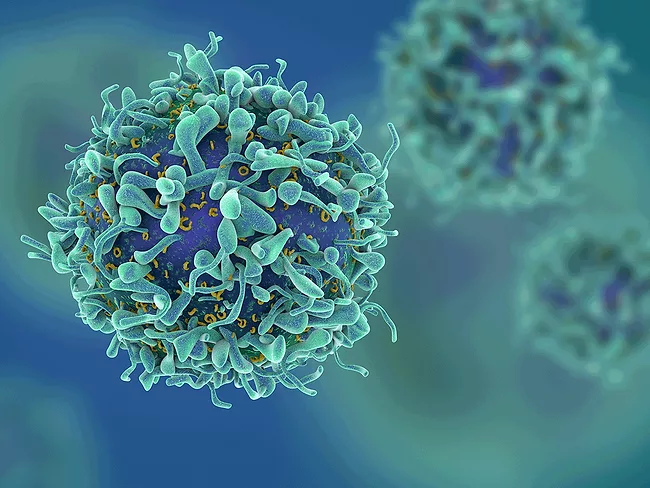
Abcuro Inc. pulled down an oversubscribed $155 million series B financing co-led by Redmile Group and Bain Capital Life Sciences to advance cytotoxic T and natural killer cells therapies. Specifically, proceeds will back the phase II/III registrational trial of ABC-008, a first-in-class anti-killer cell lectin-like receptor G1 (KLRG1) antibody for inclusion body myositis (IBM) as well as fund continued development of other clinical programs.
Pursuing tumor-infiltrating lymphocytes (TILs), Turnstone Biologics Inc. raised about $80 million in an IPO, offering 6.7 million shares at $12 each. The firm is “pioneering a differentiated approach to TILs,” with next-generation products designed by choosing the most potent and tumor-reactive T cells, dubbed Selected TILs, according to SEC paperwork.
Interactions between the gut microbiome and immune system influence cancer immune surveillance, though the mechanism through which these gut-primed immune cells regulate peripheral antitumor immune response is not well understood. Now, two recent studies in Science and Science Immunology using mouse models and human tissue samples have highlighted a group of intestinal T cells with the gut-homing α4β7 integrin receptors that play a critical role in mediating response to immune checkpoint blockade cancer immunotherapy.
For Jeff Galvin, the CEO and founder of newly launched Addimmune Inc., HIV is not a condition that’s in the rearview mirror. It needs a functional cure to save lives, make people healthier and save money that need not have been spent. People wonder why it’s worth bothering to cure HIV, Galvin told BioWorld, when they are taking their medications every day and they are feeling pretty close to normal. But it’s not close for Galvin, who noted that there are side effects from taking the pills that can cause headaches, fatigue, nausea and diarrhea.
Urinary tract infections (UTIs) are often recurrent. The organism does not always establish an effective line of defense that protects from reinfection. The key lies in two reservoirs of bacteria and how tissue-resident memory T cells (TRMs) trigger the immune response. A recent paper from the Pasteur Institute in France describes how these cells mediate immunity to defeat reinfection.
Regulatory T-cell specialist Dualyx NV has closed a €40 million (US$43.5 million) series A to progress the lead autoimmune disease program to the clinic and to take forward two other Treg-based therapies. The company brings together expertise in antibody design with understanding of the role Tregs play in supressing the immune response to maintain homeostasis and self-tolerance, preventing autoimmunity.
The data are early and from only seven evaluable patients, but results from In8bio Inc.’s phase I study of gamma-delta T-cell therapy INB-100 in leukemia patients who have undergone haploidentical hematopoietic stem cell transplant, presented at the European Society for Blood and Marrow Transplantation meeting, were compelling enough to drive the company’s shares (NASDAQ:INAB) up 183% April 24.
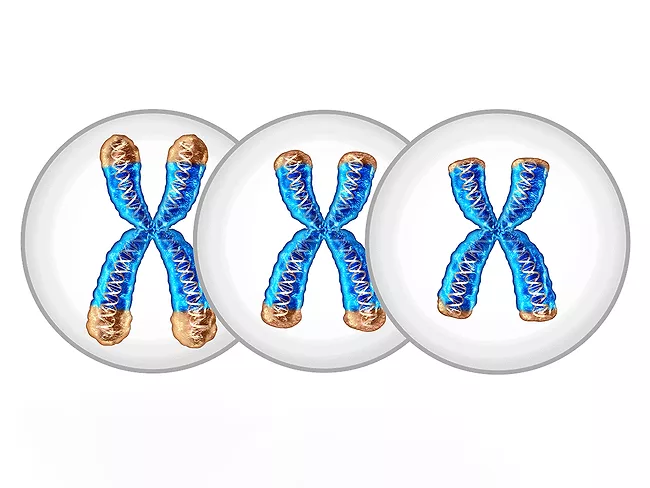
Contrary to current opinion, genomic instability is not the origin of cancer in patients with short telomere syndromes (STSs), researchers from the Johns Hopkins University School of Medicine reported April 2, 2023, in Cancer Cell. Instead, short telomeres appeared to cause memory T-cell dysfunction that increased the risk of a small number of tumor types in individuals with STS. Such syndromes can cause premature aging of different physiological systems.
Secreting cytokines and killing tumor cells can be stressful for a T lymphocyte. In short adverse circumstances, these cells adapt to acute stress. If the situation persists, they activate a chronic stress response mechanism. According to a study by the Institute for Biomedical Research (IRB) in Barcelona, the cytoplasmic polyadenylation element-binding protein 4 (CPEB4) mediated this adaptation process.
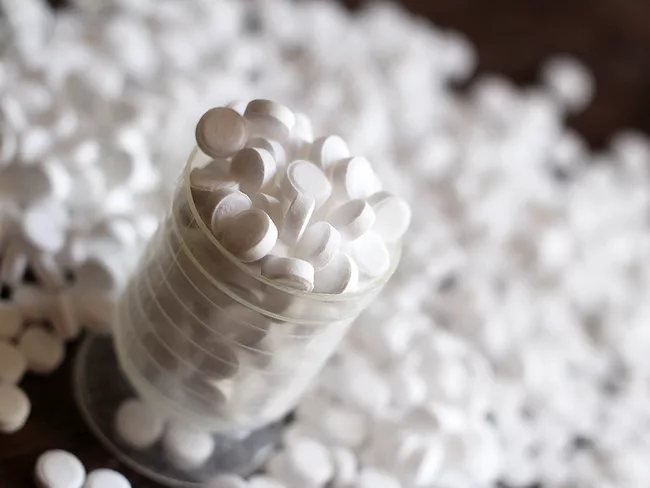
It is approved as a food additive. But it now appears that sucralose can dampen T-cell-mediated immune responses, suggesting it could be a means of treating T-cell-dependent autoimmune disorders. While stressing (repeatedly) that they were studying intakes well above normal, at high but achievable doses sucralose has an unexpected effect on T-cell responses and functions in autoimmune, infection and tumor models, researchers at The Francis Crick Institute, London, reported in Nature March 15, 2023.