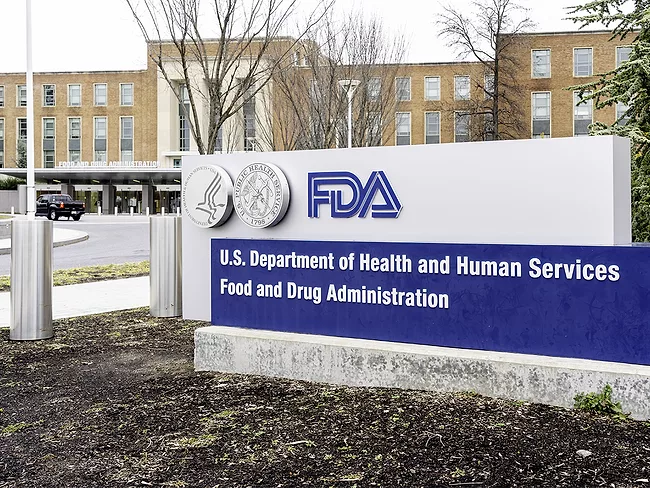
A number of controversies have swirled around the U.S. FDA’s handling of the COVID-19 pandemic, including the question of the emergency use authorization (EUA) program for testing. The FDA’s Tim Stenzel said on an Aug. 26 testing town hall that he would not answer questions about the rescission order for FDA regulation of lab-developed tests (LDTs), but also said, “we are simply overwhelmed” with EUA filings for testing.
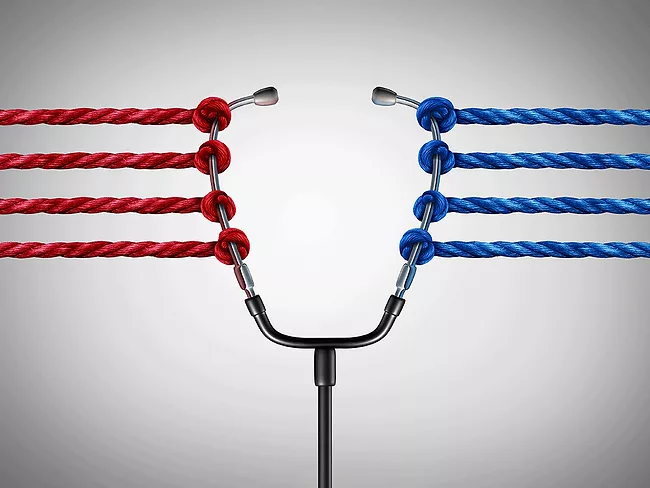
The truth that every action has a reaction is being proven again in the public square of the U.S. as the shrill, endless clamor of politicians hoping to score against their opponents via health care issues or accomplishments threatens to undermine confidence in the FDA, the products it approves and even the guidance offered by the Centers for Disease Control and Protection (CDC). In the past, politicians from both parties blamed “greedy” biopharma companies and self-appointed social influencers for patients refusing to fill prescriptions, get tested or be immunized. Now they have themselves to blame.
The truth that every action has a reaction is being proven again in the public square of the U.S. as the shrill, endless clamor of politicians hoping to score against their opponents via health care issues or accomplishments threatens to undermine confidence in the FDA, the products it approves and even the guidance offered by the Centers for Disease Control and Protection (CDC). In the past, politicians from both parties blamed “greedy” biopharma companies and self-appointed social influencers for patients refusing to fill prescriptions, get tested or be immunized. Now they have themselves to blame.
The next phase of testing for the COVID-19 pandemic will hopefully include the roll-out of tests for neutralizing antibodies for the SARS-CoV-2 virus, but there are some roadblocks. The FDA’s Tim Stenzel said the agency has a limited amount of information to offer regarding emergency use authorizations for these tests, a predicament that might not resolve until several applicants are in and the agency can see some information that will aid in development of performance and validation standards.
The question of prices for a COVID-19 vaccine have raged in recent days. Gary Disbrow, acting director of the Biomedical Advanced Research and Development Authority (BARDA), told members of a Senate committee that vaccines developed with the help of taxpayer funding will come with an appropriate reduction in price. However, CDC Director Robert Redfield emphasized that the cold-chain distribution system for those products requires the same kind of at-risk investment that is used for vaccine development.
The bad news is, yes, the U.S. is in for a second wave of COVID-19, which is expected to hit during the upcoming flu season. The good news is the nation is much better prepared for the next wave, the NIH’s Anthony Fauci told a House Energy and Commerce Committee Tuesday.
The May 12 Senate hearing regarding the COVID-19 pandemic included the usual conversations about contact tracing, but Anthony Fauci, director of the National Institute of Allergy and Infectious Diseases, said he is “cautiously optimistic” that one of the vaccines currently in trial in the U.S. will work, but that it is unlikely a vaccine will be ready by September 2020. In contrast, Assistant Secretary for Health Brett Giroir said testing capacity may reach 50 million tests per month by that time, thanks in part to the fact that antigen testing is now part of the FDA’s emergency use authorization mechanism.
In the rush to develop a COVID-19 vaccine, integral parts of the equation are being overlooked in the U.S., according to a whistleblower complaint filed this week by Rick Bright over his removal as director of the Biomedical Advanced Research and Development Authority (BARDA). Even if millions of doses of vaccine are ready to go by January, as the NIH’s Anthony Fauci a few weeks ago said could happen, there may not be enough needles and syringes to deliver those doses.
The U.S. FDA reported that it has expanded the emergency use authorization for the Labcorp polymerase chain reaction (PCR) test for SARS-CoV-2 to include the company’s Pixel self-collection kit, a development that may presage a wider testing paradigm that is needed to restore the U.S. economy to normalcy.
The U.S. capacity for SARS-CoV-2 testing is limited by several items, including the swabs used to collect patient specimens, but the supply of reagents has been front and center recently. Despite those concerns, several private test makers said they are quickly ramping up production, including Thermo Fisher Scientific Inc., of Waltham, Mass., which said it has enough supplies of all types on hand to provide 2 million reactions per week, a volume that should increase to 5 million per week in April.