The Biden administration has floated a budget proposal for fiscal year 2023, which includes $49 billion for the National Institutes of Health (NIH) and an additional FDA budget authority of $356 million over the current fiscal year. However, the budget also includes legislative proposals, such as a virtual inspection requirement for device manufacturing facilities and compulsory studies of drug shelf life to evaluate finished drug stability beyond the labeled expiration.
The FDA continues to issue new and revised emergency use authorizations for testing for the COVID-19 pandemic in recent days, including three reissued and four revised EUAs dated March 24.
The Biden administration sees the $15.6 billion just provided by Congress as inadequate funding for the pandemic, particularly given the administration’s new test-to-treat initiative, and will continue to press Congress for the remaining $6.9 billion requested by the White House, said Tom Inglesby, senior advisor for the White House COVID response team, at the American Clinical Laboratory Association annual meeting.
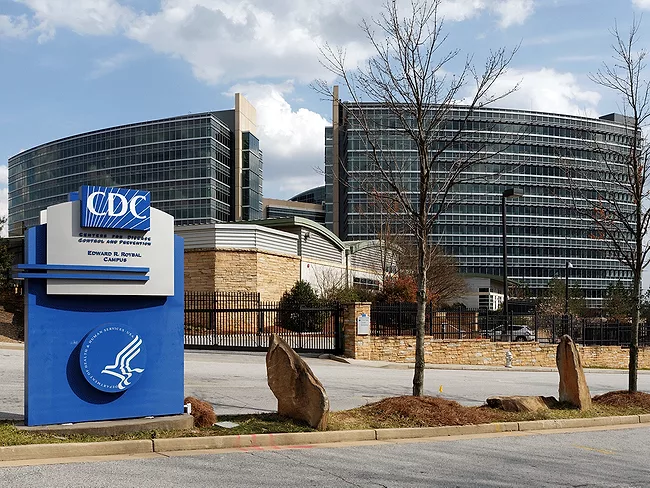
While a number of U.S. cities and towns have been conducting wastewater testing for the SARS-CoV-2 virus for some time, the CDC has finally established a dashboard for reporting the results of this surveillance. While the resulting data may be useful in the current pandemic for allocation of resources, the establishment of a network of wastewater surveillance instruments can also be instrumental in future public health efforts, such as tracking foodborne infections and detecting the emergence of new antibiotic-resistant pathogens.
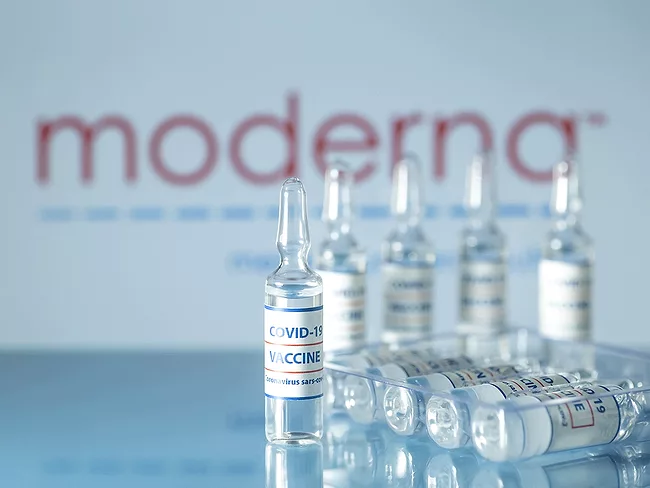
The CDC’s Advisory Committee on Immunization Practices (ACIP) has unanimously recommended the agency endorse administering Moderna Inc.'s COVID-19 vaccine, Spikevax (elasomeran), to adults. The vote was a strong echo of the FDA’s full approval of the vaccine for adults only a few days earlier, on Jan. 31. After hearing safety and efficacy data from Moderna and an internal analysis of that data from the CDC, ACIP recommended by a vote of 13-0 that the CDC endorse the vaccine’s use for people 18 years and older.
Within hours of a Jan. 5 vote on COVID-19 boosters for adolescents, U.S. CDC Director Rochelle Walensky endorsed the Advisory Committee on Immunization Practices’ (ACIP) recommendation that all adolescents aged 12-17 years should receive a booster dose five months after their primary series. The recommendation applies to the Pfizer Inc.-Biontech SE COVID-19 vaccine, as it’s the only one authorized in the U.S. for use in adolescents.
Once the CDC accepts the recommendation of its Advisory Committee on Immunization Practices (ACIP), the COVID-19 vaccine regimen, at least for the Pfizer Inc.-Biontech SE vaccine, will include a booster dose for everyone 12 and older. ACIP voted 13-1 at a Jan. 5 emergency meeting to recommend the booster dose for 12- to 17-year-olds at least five months after a primary series of the Pfizer vaccine.
In the face of rare, sometimes fatal, side effects associated with Janssen’s COVID-19 vaccine, the CDC’s Advisory Committee on Immunization Practices (ACIP) voted unanimously to recommend that the agency say it prefers mRNA COVID-19 vaccines over the Janssen vaccine for preventing COVID-19 in those ages 18 years and older.
A few hours after the U.S. CDC Advisory Committee on Immunization Practices’ Nov. 2 recommendation to allow children ages 5 through 11 to be administered Pfizer Inc. and Biontech SE’s COVID-19 vaccine, Comirnaty (tozinameran), the agency’s director, Rochelle Walensky, endorsed the recommendation. The recommendation came as the World Health Organization (WHO) expanded the COVID-19 vaccines it recommends in the fight against the pandemic by endorsing Bharat Biotech International Ltd.’s Covaxin.
In a move that had been expected, the CDC’s Advisory Committee on Immunization Practices unanimously recommended the Pfizer Inc.-Biontech SE COVID-19 vaccine as safe and beneficial for children ages 5 through 11. The recommendation, coming from a 14-0 vote, is the committee’s way of reassuring the American public that the vaccine is safe, according to committee member Beth Bell, clinical professor in the School of Public Health at the University of Washington in Seattle.