China’s NMPA granted conditional approval for a COVID-19 oral pill to treat adult patients with mild to moderate cases of the virus to a unit of Guangdong Zhongsheng Pharmaceutical Co. Ltd.
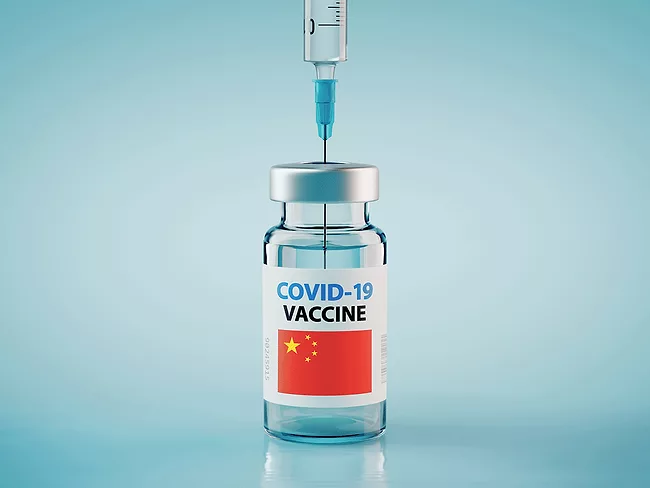
CSPC Pharmaceutical Group Ltd.’s COVID-19 mRNA vaccine, SYS-6006, has been included for emergency use by the NMPA, the company said on March 22, marking the first domestically developed COVID-19 mRNA vaccine approved for use in China.
COVID-19 complications involve activated T cells that contribute to inflammation. Foralumab, a fully human anti-CD3 monoclonal antibody, targets the T-cell receptor and regulates T-cell function to suppress inflammation. In a pilot trial, foralumab reduced lung inflammation, serum IL-6 and C-reactive protein in cases of moderate COVID-19.
China’s NMPA granted conditional approval for a COVID-19 oral pill to treat adult patients with mild to moderate cases of the virus to a unit of Guangdong Zhongsheng Pharmaceutical Co. Ltd. RAY-1216 is a peptidomimetic inhibitor of SARS-CoV-2 main protease (Mpro), which is also known as a 3C-like protease (3CLpro).
CSPC Pharmaceutical Group Ltd.’s COVID-19 mRNA vaccine, SYS-6006, has been included for emergency use by the NMPA, the company said on March 22, marking the first domestically developed COVID-19 mRNA vaccine approved for use in China.
UT-Battelle LLC has divulged covalent nonstructural protein 3 (nsp3; PLpro) (SARS-CoV) inhibitors reported to be useful for the treatment of coronavirus acute respiratory syndrome.
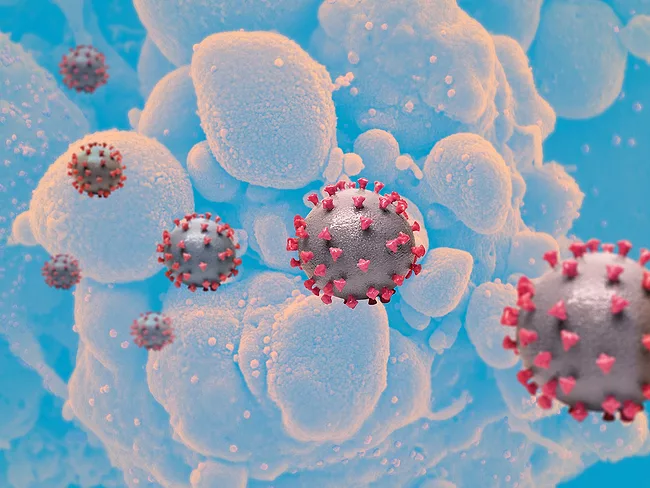
Current prophylactic and therapeutic approaches for SARS-CoV-2 are effective, but the need for new approaches with broad activity makes virus-host interactions an essential piece to look at.
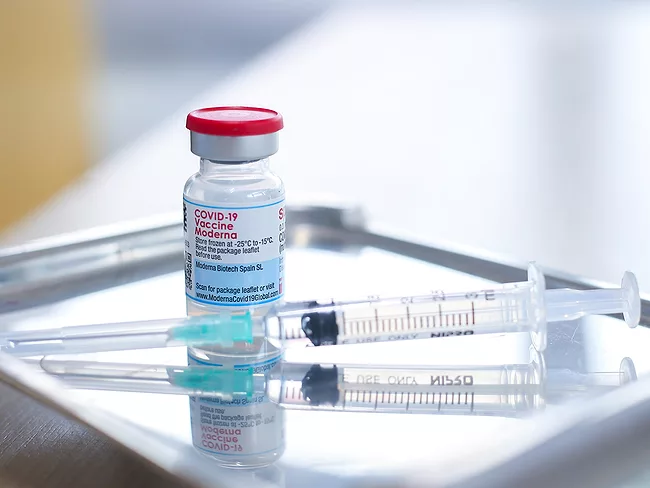
While Moderna Inc. CEO Stéphane Bancel was the one on the hot seat at a March 22 hearing before the U.S. Senate Health, Education, Labor and Pensions (HELP) Committee, biopharma profitability in general, and capitalism itself, came under fire as committee Chair Bernie Sanders (I-Vt.) railed about corporate greed in the sector.
For COVID-19, the limited durability of vaccines requires multiple injections, and their effectiveness is continuously challenged by emerging new spike variants of the virus. The SARS-CoV-2 main protease Mpro plays a role in major polyprotein processing events and is essential for viral replication.