Iama Therapeutics Srl has obtained clinical trial application (CTA) clearance from the Italian Medicines Agency (AIFA) to initiate a first-in-human phase I study of IAMA-6, an orally administered small-molecule therapeutic targeting NKCC1 for the treatment of autism and epilepsy.
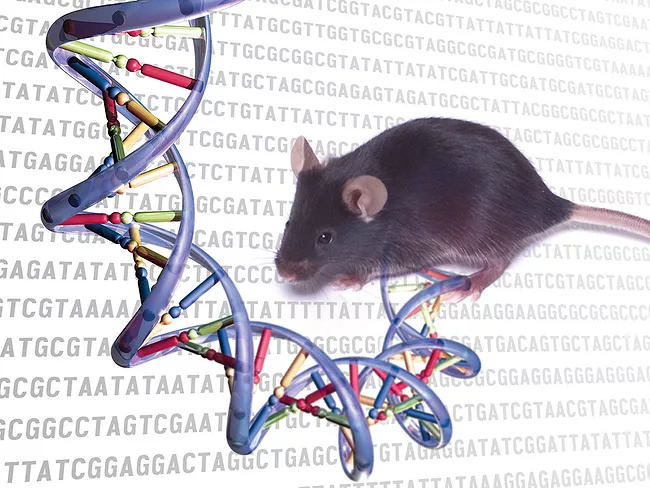
A mouse line with severe haploinsufficiency of about 92% reduction in coiled-coil and C2 domain-containing protein 1A (CC2D1A) expression was generated by breeding of Cc2d1a-knockout allele with C2d1a -/V5-HA mice to generate a compound heterozygous murine model of autism spectrum disorder (ASD).
Paxmedica Inc.’s shares (NASDAQ:PXMD) surged by 179% in early trading Nov. 7 after reporting the publication of phase II autism spectrum disorder results for PAX-101 (suramin) intravenous infusions. Suramin, an anti-trypanosomal and anti-purinergic agent introduced in 1923 for East African sleeping sickness, showed a statistically significant improvement at the 10-mg/kg dose in a secondary endpoint of Clinical Global Impressions – Improvement scale vs. placebo.
Beyond Air Inc. has entered into an agreement with Yissum Research Development Co. of the Hebrew University of Jerusalem to license the commercial rights for multiple neuronal nitric oxide synthase (nNOS) inhibitor candidates, currently being developed for the treatment of autism spectrum disorder (ASD) and other neurological conditions.
Implanting brain organoids into the brains of mice may allow the more realistic study of microglial cells during both healthy and disease states. This is what researchers from the Salk Institute and their collaborators found in a study published on May 11, 2023, in Cell.
Medicinal cannabis company Zelira Therapeutics Ltd. secured $8.6 million in cornerstone funding from U.S.-based Cantheon Capital LLC that will progress Zelira’s Hope1 cannabinoid medicine to formal phase II/III clinical trials for behaviors associated with autism spectrum disorder.
Researchers from The Hospital for Sick Children have created mouse models related to autism. Nine novel models related to autism were produced in C57BL/6NCrl (B6N) mice using loss-of-function mouse lines with knockout of genes Katnal2, L2hgdh, Nexmif, Otc, Pah, Rab39b, Ranbp17, Upf3b and Ypel2.
Mdoloris Medical Systems SAS and Pprs SAS reported a joint venture to launch ANI Guardian, a connected medical device that continuously and non-invasively tracks pain levels and well-being in a range of non-verbal or cognitively impaired people.