Digital therapeutics coupled with drugs has the potential to transform health care and change the way patients are treated, Anthony Costello, CEO of Medidata Solutions Inc., told BioWorld. Medidata recently strengthened its partnership with Click Therapeutics Inc., following an investment from its parent company Dassault Systèmes SE, which will see the two companies working to develop new therapies to improve the experience of patients.
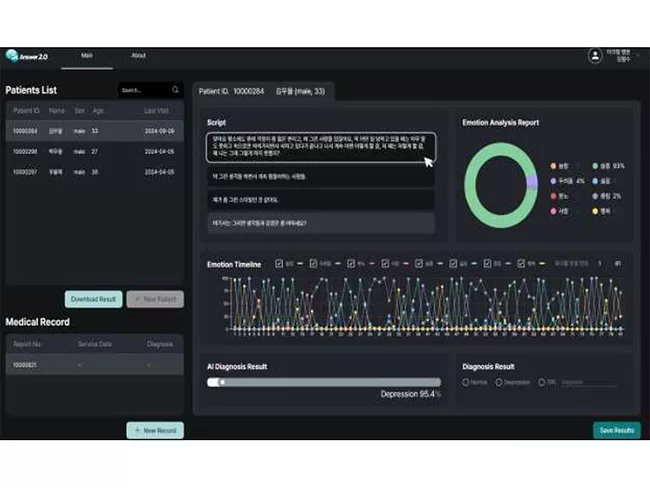
South Korea’s Ministry of Food and Drug Safety cleared Acryl Inc.’s Acryl-D01 as the country’s first AI-based digital therapeutic software solution to aid depression screening and diagnosis on Dec. 20. Approved as a class II software as a medical device, Acryl-D01 utilizes a patient’s medical records to quantify and analyze the individual’s emotional response and assess the probability of having clinical depression based on the data.
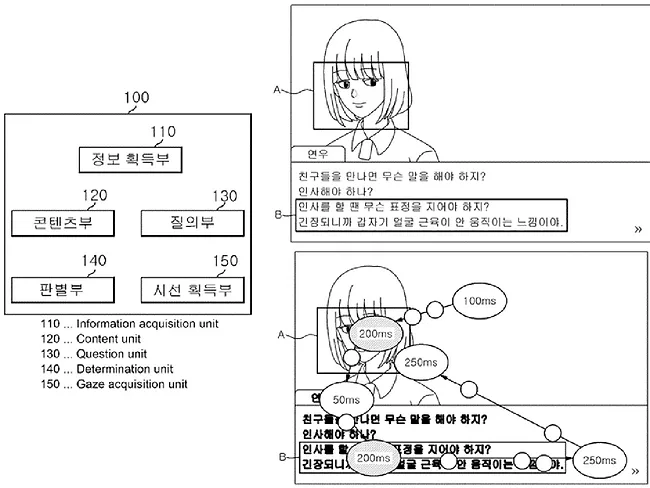
The first patenting from South Korea’s Neudive Inc. sees its CEO, SungJa Cho, applying for protection of the company’s mobile digital social therapy device, NDTx-01, which helps build the social skills of neurodiverse individuals, and in particular children and adolescents with autism spectrum disorder and social communication disorder.
Researchers from the University of Chicago and Northwestern University have filed for protection of an mobile application to track individualized patient needs, engagement in continuous positive airway pressure machine use, and the correlation of risk behaviors to determine sleep apnea treatment progress.
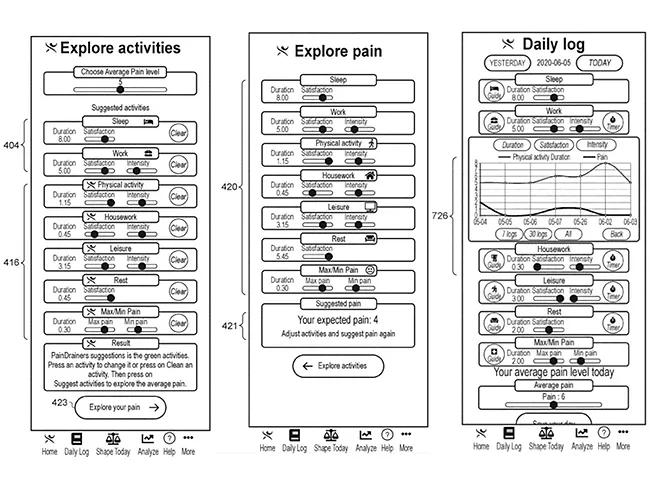
Lund, Sweden based-Paindrainer AB received notification from the European Patent Office that it intends to grant this patent application for its digital tool, Paindrainer, which coaches users in managing their pain and provides guidance on how to reach a personalized activity balance to reach an optimal functional level and alleviate pain.
South Korean med-tech companies Nunaps Co. Ltd. and Share & Service are the latest to clear domestic approvals for digital therapeutics as the government ramps up R&D funding for artificial intelligence-based medical technologies.
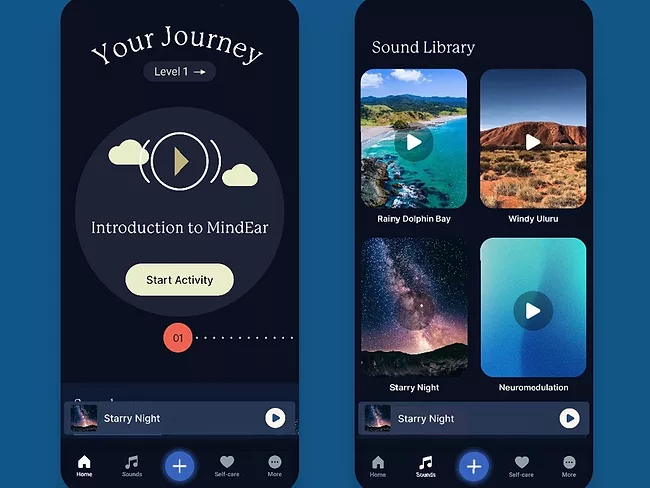
Researchers from the University of Auckland have developed a smartphone app called Mindear that reduced the impact of tinnitus in two-thirds of users over eight weeks.Tinnitus, often referred to as ringing in the ears, is the perception of sound without an external source and affects 10% to 15% of the global adult population. Previous studies to treat tinnitus have focused on neuromodulation devices, but a smartphone app could make treatment more accessible to a wider population.
After flying high in 2022, digital therapeutics (DTx) companies crashed to Earth in 2023 and scrambled to identify a path to profitability, or at least continued viability.
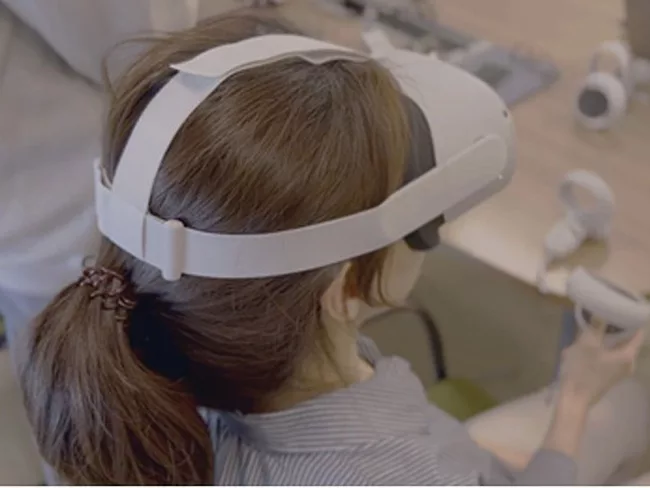
Hypnovr SAS recent takeover of Oncomfort SA will bring digital therapeutic solutions to a larger patient population suffering from pain and anxiety. Oncomfort has developed Digital Sedation, a non-pharmacological method of relieving patients’ pain and anxiety. This therapy, coupled with Hypnovr’s own virtual reality (VR) solution will help reduce medication use and improve the care pathway for patients undergoing medical procedures.
Responding to the burgeoning field of digital health, the U.S. FDA reported the creation of a new Digital Health Advisory Committee that it expects to be up and running in 2024.