Even as new waves of COVID-19 cause less direct disruption in the delivery of health care, the ongoing pandemic leaves a dramatically altered landscape for medical devices in its wake. The RBC Global Healthcare Conference revealed trends that will continue to reshape the utilization of medical technology and delivery of health care, while industry leaders drilled down into the details in a focused panel discussion. All agreed: the pandemic catapulted telemedicine and remote monitoring ahead five or more years, a hybrid delivery system with greater fluctuations in volume will emerge, devices that facilitate the movement of care out of the hospital to home or outpatient settings will remain in high demand and patient-centered control of health care will continue to attract additional industries into health care markets.
Primary care doctors in England have been told by the National Institute for Health and Care Excellence (NICE) to prescribe a digital therapeutic instead of sleeping tablets for patients suffering with insomnia. Sleepio, an app developed by London-based Big Health Ltd. that uses an algorithm to provide personalized cognitive behavioral therapy (CBT), could benefit up to 800,000 people, according to NICE. It is recommending use of the app as an effective alternative to drugs such as zolpidem and zopiclone, after weighing evidence from 28 studies, including 12 randomized controlled trials.
Sidekick Health AB expanded its partnership with Pfizer Inc., adding an atopic dermatitis offering to its integrated digital therapeutics solution. The app will roll out first in the U.K., followed by Belgium, Norway, Netherlands, Sweden, France, Ireland and Japan this year.
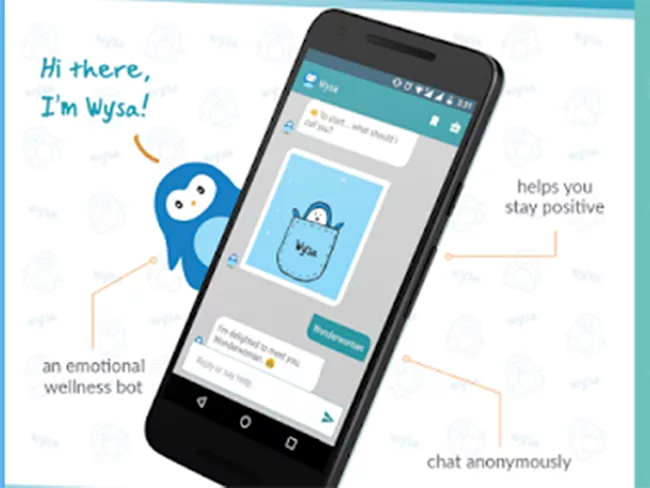
Wysa Ltd.’s artificial intelligence-based digital therapy received FDA breakthrough device designation for adults with chronic musculoskeletal pain, depression and anxiety. The device delivers cognitive behavioral therapy (CBT) via a digital companion or conversational agent on a smartphone.
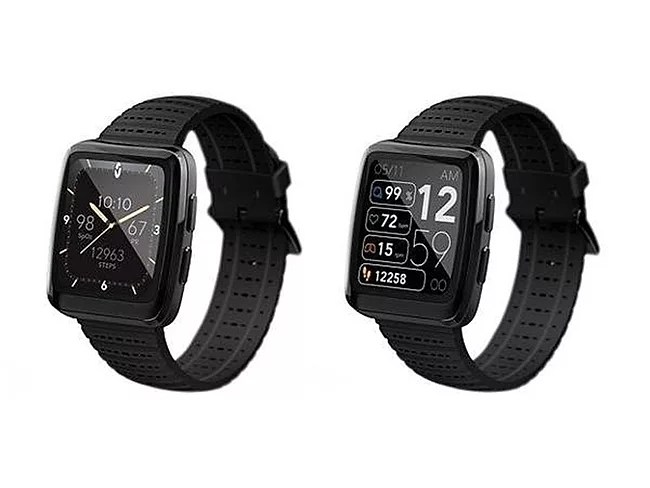
Four months after debuting W1 health watch at Arab Health 2022, Masimo Corp. reported a limited release of the consumer version of the device in the U.S. to 10,000 users on a first come-first served basis. The wrist-worn device, which measures oxygen saturation, pulse rate, perfusion index, pleth variability index and respiration rate, also counts steps and detects falls.
Hello Heart Inc. more than doubled its fundraising to date with a $70 million series D financing round showing heart-warming support from investors for its digital therapeutic solution. Growth equity firm Stripes led the round, which brought the heart-focused digital therapeutic company’s total raised to date to more than $138 million.
Biofourmis Inc. secured $300 million in a series D financing led by General Atlantic, with participation by CVS Health and existing investors. The round lifted the Boston-based company’s valuation to more than $1 billion and unicorn status, according to executives. Biofourmis will use the funds to drive next-stage growth in its virtual care offerings and digital therapeutics (DTx).
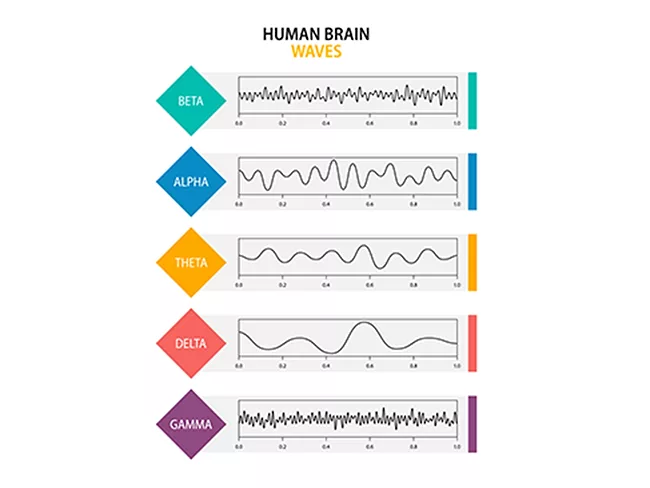
A brainwave biomarker licensed by digital therapeutic startup Empower Therapeutics Inc. showed potential to identify patients with high sensitivity to pain. In a new study carried out by researchers at the University of Birmingham, U.K., the biomarker predicted which patients had a pain score of seven out of 10 or higher (severe pain) following lung surgery.