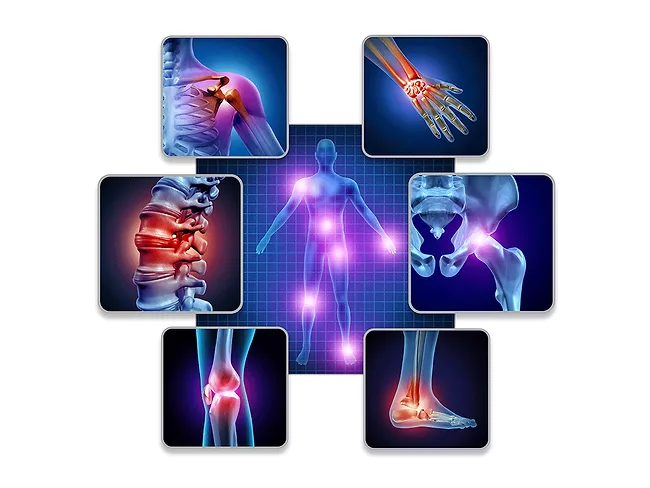
An Icelandic genome-wide association study that linked variants in a gene which regulates retinoic acid synthesis to severe osteoarthritis (OA) of the hands, has led on to the discovery of an anti-inflammatory role for the vitamin A metabolite and pointed to a new class of potentially disease-modifying drugs. A proof-of-concept clinical trial of talarozole, a retinoic acid metabolism blocking agent, is now taking place to assess if increasing retinoic acid production suppresses inflammation in the joint tissues of patients with OA.
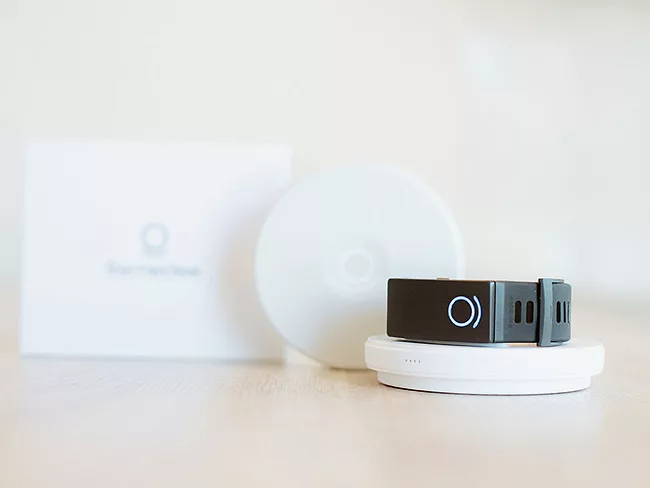
Remedee Labs SA raised $13.25 million to accelerate the commercial deployment of its mini endorphin stimulator for chronic pain. This is the company’s third funding round after initial fundraising of $11.66 million.
The ability to inexpensively predict events such as stroke and heart attack is something of a holy grail for cardiologists, and a new study presented at this year’s annual meeting of the Radiological Society of North American (RSNA) provides just that capability. A study of an algorithm developed to examine a single chest X-ray suggests that the data generated by the algorithm can be as effective in establishing the patient’s risk of these events as a standard approach that relies on information that isn’t always readily available to the clinician.
Once pharma’s great hope to replace opioid painkillers, it looks like the end for nerve growth factor (NGF) inhibitors after Regeneron Pharmaceuticals Inc. quietly axed fasinumab, the late-stage painkilling injection it was developing in partnership with Teva Pharmaceuticals Ltd. and Mitsubishi Tanabe Pharma Corp.
There’s further drama at troubled Belgian biotech Bone Therapeutics SA, but its CEO told BioWorld that its partner’s decision to return rights to cell therapy platform Allob is a blessing in disguise that could allow it to negotiate a more favorable deal, after a lifeline merger was delayed.
The Royal Veterinary College has presented drug conjugates comprising hyaluronan (HA) synthesis inhibitors covalently bonded to betaine reported to be useful for the treatment of chondrosarcoma and osteoarthritis.
Moximed Inc. has received $40 million in series C financing to pursue regulatory approval for its implantable shock absorber (ISA) for knee osteoarthritis (OA). Fremont, Calif.-based Moximed secured backing from investors including Advent Life Sciences, New Enterprise Associates, Future Fund, Vertex Healthcare and Runway Growth Capital to advance the Misha knee system. The company is touting the technology as the world’s first implantable shock absorber for OA.
Paradigm Biopharmaceuticals Ltd. announced a AU$66 million (US$46.39 million) capital raise to fund its phase III pivotal trial for injectable Zilosul (pentosan polysulfate) to treat osteoarthritis of the knee.
Shionogi & Co. Ltd. has in-licensed Japan rights to Grunenthal GmbH’s intra-articular injectable, resiniferatoxin, for the treatment of pain associated with osteoarthritis of the knee. Currently in phase III trials, RTX is a transient receptor potential vanilloid 1 agonist, which can reversibly desensitize TRPV1-expressing nociceptors. This mechanism may result in long-lasting pain relief.