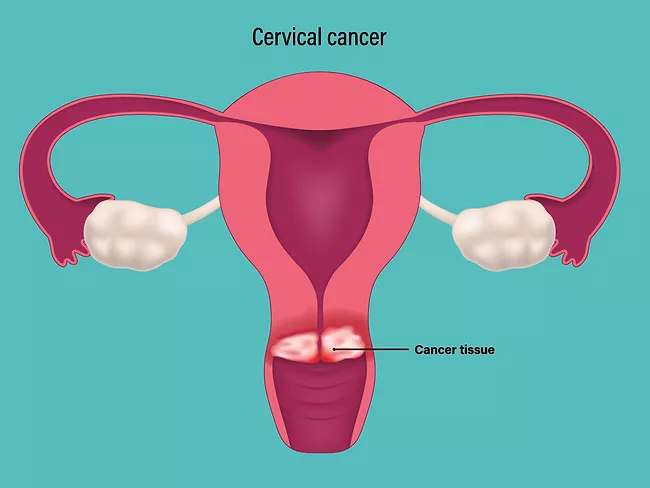
Cbio A/S has received European regulatory clearance to begin a first-in-human trial of novoleucel, the company’s next-generation T-cell therapy, in late-stage cervical cancer. The phase I/IIa study will enroll patients with persistent or recurrent cervical cancer at Karolinska University Hospital.
China’s National Medical Products Administration has approved Asieris Pharmaceuticals Co. Ltd.’s cold light photodynamic drug-device combination product, Cevira (APL-1702, hexaminolevulinate hydrochloride), which is used as a nonsurgical therapy for treating patients with cervical intraepithelial neoplasia grade 2.
China’s National Medical Products Administration has approved Asieris Pharmaceuticals Co. Ltd.’s cold light photodynamic drug-device combination product, Cevira (APL-1702, hexaminolevulinate hydrochloride), which is used as a nonsurgical therapy for treating patients with cervical intraepithelial neoplasia grade 2.
Avacta Therapeutics (Avacta Group plc) has obtained IND clearance from the FDA for FAP-Exd (AVA-6103), a Precision peptide-drug conjugate based on exatecan.
In a study published in Molecular Therapy, researchers from H. Lee Moffitt Cancer Center and Research Institute and the University of South Florida developed an E6-targeting proteolysis targeting chimera (PROTAC) that inhibits the growth of human papillomavirus (HPV)-positive tumors. HPV is the most prevalent sexually transmitted infection worldwide, with persistent infections causing up to six different types of cancer.
MicroRNAs (miRNAs) play key roles in cancer development by regulating genes involved in cell growth, differentiation, invasion, metastasis and angiogenesis. Because their expression patterns differ across tumor types and stages, miRNA profiles hold strong potential as noninvasive diagnostic and prognostic biomarkers.
Phase Scientific International Ltd. launched China’s largest clinical study for urine-based cervical cancer screening. If successful, the blood-based test could be the first non-invasive test for HPV.
In what represents the first filing to have emerged in the name of Cellect Laboratories Inc., one of the start-up’s co-founders, Claire Theresa Murphy, describes their development of a non-invasive screening method that could one day replace the Pap test.
Nanjing Zenshine Pharmaceuticals Co. Ltd. has synthesized phosphoric acid derivatives reported to be useful for the treatment of human papillomavirus (HPV) infection.
Antiva Biosciences Inc. has developed an intravaginal topical treatment, ABI-2280, for high-risk cervical infections with human papillomavirus (HPV). In a phase Ib/II study, after two weeks of treatment at the highest dose of the DNA polymerase inhibitor, 46% of patients were negative for high-risk HPV at week 12, compared to just 16% of patients treated with placebo.