Gender bias in cardiac treatment guidelines is putting women at risk because guidelines are written based on clinical trials conducted mostly in men. As previously reported in BioWorld, nearly 70% of female patients are underdiagnosed for cardiovascular disease as women are grossly under-represented in clinical trials.
Two recent trials in cardiovascular disease took critical steps toward addressing ongoing and deadly disparities in cardiac care by focusing entirely on women.
Some studies suggest a need for cardiologists to rethink their approach to device implant. However, the TAVR UNLOAD study failed to demonstrate a statistically significant difference between device implant and medical management for patients with aortic stenosis and low left ventricular ejection fraction.
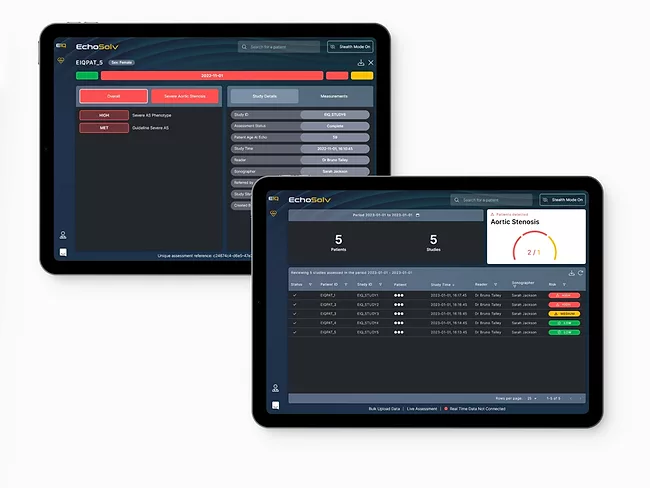
The U.S. FDA gave the 510(k) green light to Echo IQ Ltd.’s Echosolv AS for its AI-enabled software as a medical device to be used as a decision support aid in detecting severe aortic stenosis.
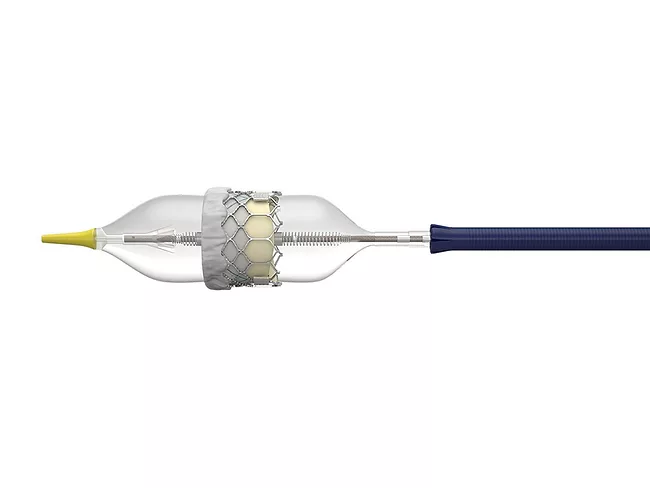
In the first study to compare transcatheter aortic valve replacement or implantation to surgical aortic valve replacement exclusively in women, Edwards Lifescience Corp.’s Sapien 3 and Sapien 3 Ultra valves provided better outcomes.
Boston Scientific Corp. obtained a CE mark for its latest self-expanding transcatheter aortic valve replacement technology, the Acurate Prime, opening up a new access point for increased sales and profitability in its structural heart division this year.
There is no evidence to support the differences in prices that the U.K.’s national health service (NHS) is paying for transcatheter heart valves from Abbott Laboratories, Boston Scientific Corp., Edwards Lifesciences Corp. and Medtronic plc, according to the National Institute for Health and Care Excellence.
Data from the transcatheter valve and vessel trial showed that percutaneous interventions in patients with aortic stenosis and coronary disease resulted in significantly lower mortality rates than those receiving surgical treatment.
Medtronic plc reported data from a head-to-head trial backing its Evolut TAVR system against competitor Edwards Lifesciences Corp.’s Sapien platform, and the data showed particular promise of the Evolut in patients with a small aortic annulus, which would appear to be most beneficial for women in particular.
While the human epididymis protein 4 (HE4) has been previously identified as a blood biomarker of fibrosis, the relationship HE4 has with other blood biomarkers has not been established.