Dublin-based Medtronic plc, and the U.S. FDA have wrapped up their discussion of the December 2021 warning letter for the company’s manufacture of continuous glucose monitors, clearing a hurdle that was critical in restoring the company’s footprint in the U.S. market. Left unanswered from the resolution of the warning letter is whether the FDA believes that device makers need to track the number of devices in distribution vs. those in actual use in order to properly calculate the risk of device failure based on postmarket surveillance.
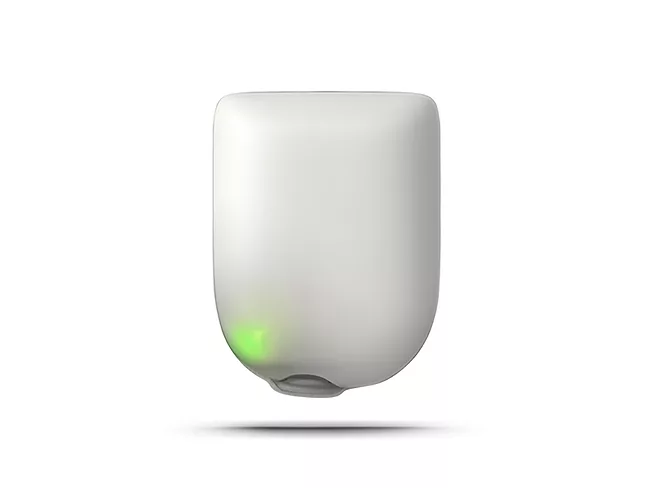
Insulet Corp. has taken the lead in the race to bring insulin delivery systems to individuals with type 2 diabetes with U.S. FDA clearance of its Omnipod Go device. The delivery system is adapted for use by adults who use once-a-day basal insulin. The company plans to roll out Go in 2024.
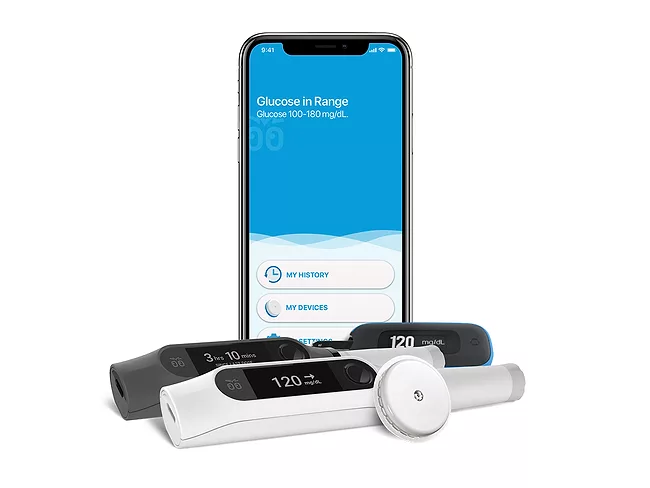
Two tough years have taken a toll on Medtronic plc with a warning letter for its diabetes unit, a reorganization that will spin off its respiratory, patient care and renal groups and layoffs of an undisclosed number of employees that began last week. The announcement late Friday of the U.S. FDA approval of the Minimed 780G insulin pump system could be a turning point for the company that brings it back into the competition for the growing diabetes market.
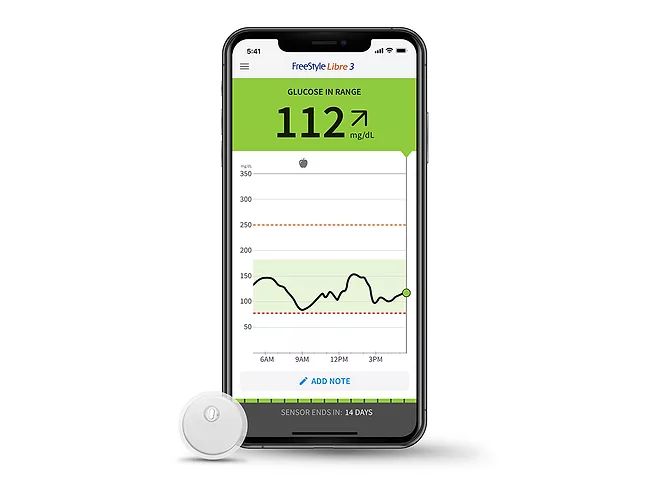
Abbott Laboratories Inc. landed U.S. FDA clearance for its Freestyle Libre 3 integrated continuous glucose monitoring system (CGM)’s reader device a bit earlier than expected. With the regulatory greenlight for the durable medical equipment component received, the company is now pursuing coverage by the CMS for the entire Freestyle Libre 3 system. The system’s sensor received FDA clearance in May 2022.
An artificial pancreas system that draws on research conducted at the University of Virginia to effectively combine Dexcom Inc.’s continuous glucose monitor and Tandem Diabetes Care Inc.’s artificial intelligence-enabled insulin pump works effectively in children under 6 years of age with type 1 diabetes, a study published in the New England Journal of Medicine showed.
Abbott Laboratories received U.S. FDA clearance for the Freestyle Libre 2 and Freestyle Libre 3 continuous glucose monitoring (CGM) sensors for integration with automated insulin delivery (AID) systems. AID systems automatically adjust and administer insulin via a pump based on blood glucose levels determined by the sensors. Abbott said it was partnering with multiple AID manufacturers in the U.S. and Europe.
While still pending clearance in the U.S., Medtronic plc’s Minimed 780G advanced hybrid closed loop (AHCL) system continues to post strong results in clinical trials. Results of two studies presented at the 2023 Advanced Technologies & Treatments for Diabetes Conference in Berlin on Feb. 27 demonstrated that patients with type 1 diabetes (T1D) who used the device for one year maintained a 26.7% increase in time in range for adults and a 14% increase in time in range for children aged 7 to 17 compared to their baseline using multiple daily injections with a continuous glucose monitor (CGM).
Insulet Corp. went on a buying spree this week with the acquisition of the assets of Automated Glucose Control LLC (AGC) and Bigfoot Biomedical Inc.'s automated insulin delivery (AID) patents. The Bigfoot and AGC deals each rang in at $25 million.
Bringing notified bodies (NBs) into a med-tech regulatory system has proven to be no mean feat in the European Union, but the U.K. Medicines and Health Care Products Regulatory Agency (MHRA) seems not to suffer from such impediments. The agency just added several in vitro diagnostic (IVD) technological areas to the roster of tests that can be reviewed by UL International UK, an addition that will help ensure patients can obtain the tests they need.
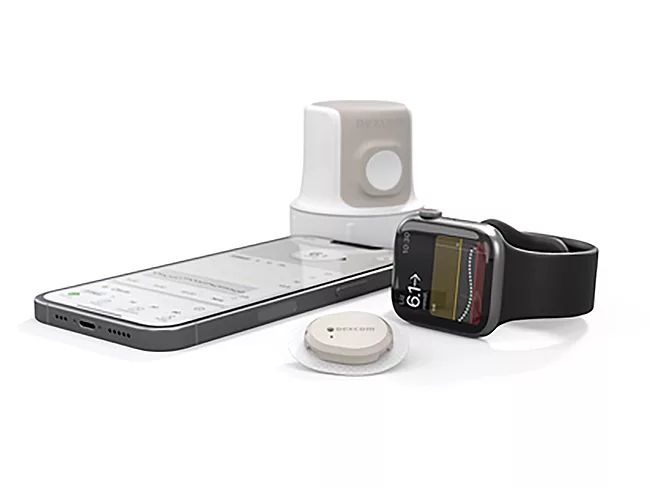
Dexcom Inc. ends 2022 on a high note with broad clearance from the U.S. FDA for its G7 continuous glucose monitoring system (CGM). The long-awaited 510(k) clearance encompasses use in people with all types of diabetes age two and older, positioning Dexcom to take advantage of expanded coverage of CGMs to include individuals on basal insulin-only for Medicare beneficiaries as proposed by CMS in October.