The U.K. National Institute for Health and Care Excellence (NICE) has seen the nation’s spending numbers for diabetes, which is said to account for roughly 10% of healthcare spending in the U.K., and responded in a collaboration with the National Health Service (NHS).
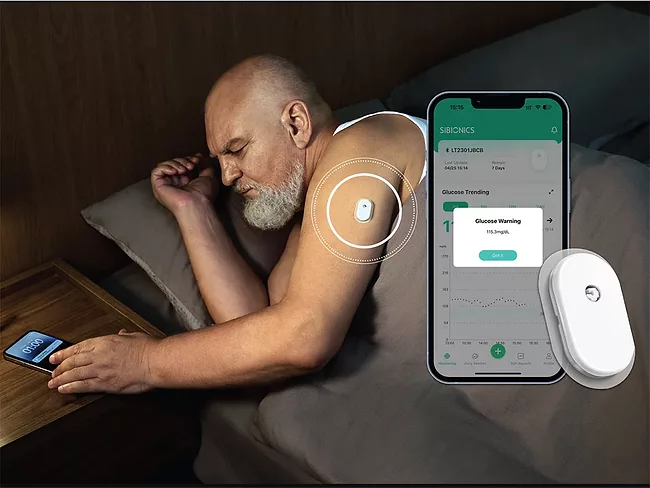
Sibionics Technology Co. Ltd. said it received the CE mark for its continuous glucose monitoring (CGM) system, coined the Sibionics GS1 CGM, helping the company expand its market opportunities beyond China.
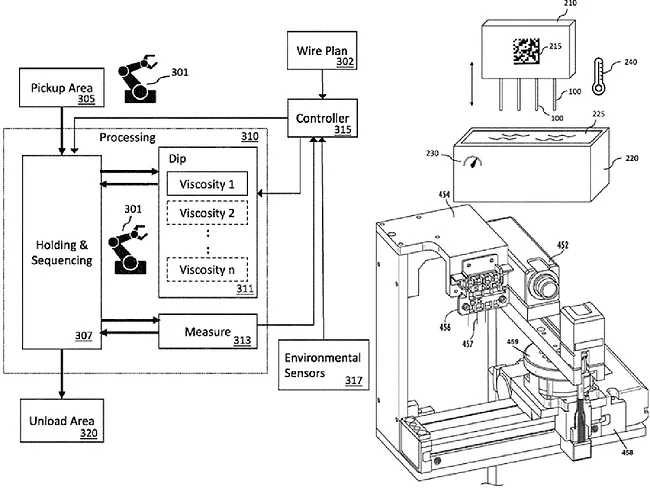
Zense-Life Inc. reported seeking patent protection for systems and processes for manufacturing working wires for a continuous biological sensor, that reduce cost and improve accuracy and efficiency compared to current technique.
Dexcom Inc. revealed new clinical data at the European Association for the Study of Diabetes (EASD) which highlighted the benefits of the use of continuous glucose monitoring (CGM). Results from the COMISAIR seven-year study, the longest prospective real-world CGM trial ever conducted, showed significant and continued reduction of HbA1c with the use of real-time CGM by people with type 1 diabetes.
In another boost to its diabetes portfolio, Medtronic plc was granted CE mark approval for its Simplera continuous glucose monitor (CGM) sensor. The EU greenlight for Simplera follows the U.S. FDA approval for Medronic’s Minimed 780G insulin pump system earlier in the year. Simplera is an all-in-one disposable CGM sensor which features a two-step insertion process and will help patients who must have multiple daily injections (MDI) manage their diabetes.
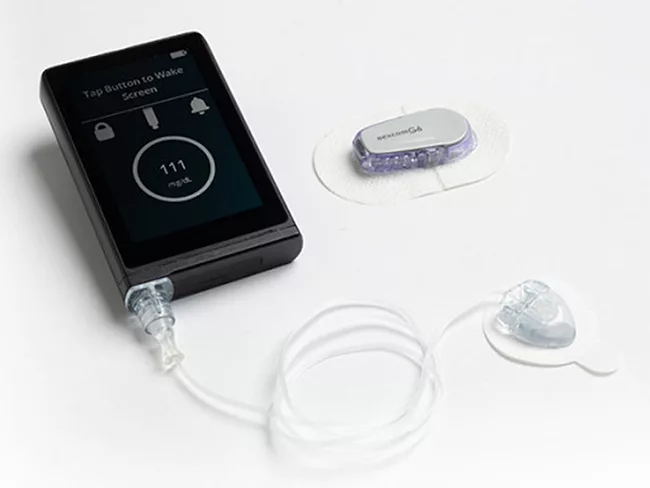
Aiming to provide additional utility and information to its continuous glucose monitors (CGMs), Dexcom Inc. is tying in the nutrition information provided by Rxfood Corp.’s app for customers in Canada. Clinics, hospitals, pharmacies, health plans, employers and others can make the app available to the beneficiaries and patients who use the Dexcom G6 or G7 systems, once the program is rolled out.
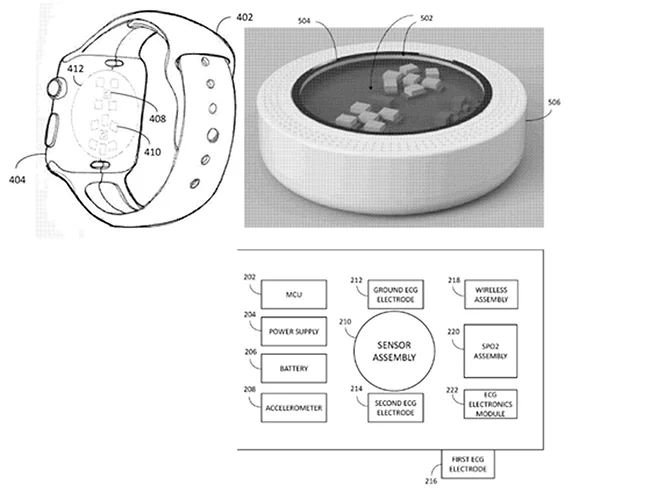
Medwatch Technologies Inc. reported a patent for the use of near infrared (NIR) spectroscopy, from collection of NIR LEDs surrounding a photo diode sensitive to wavelengths in the range 400 nm to 1650 nm, to noninvasively detect blood glucose concentrations, in a multi-sensing wearable device such as a watch or patch.
Nemaura Medical Inc. recently raised $6.5 million in non-dilutive funding through a clean debt facility with no warrants or convertible elements. The funding came from its existing lender and is expected to fund Nemaura’s ongoing efforts to commercialize its daily disposable, wearable glucose sensors.
Abbott Laboratories took the next step in its years-long collaboration with Bigfoot Biomedical Inc. with the announcement after the market close on September 6 that it signed a definitive agreement to acquire the connected insulin cap maker. The financial terms of the transaction, which is expected to close this month, were not disclosed.
Beta Bionics Inc. received U.S. FDA clearance for its Ilet Bionic Pancreas, an automated insulin-delivery (AID) system that calculates 100% of insulin doses without requiring carb counting or manual boluses. The system—a pump plus dosing decision software—is indicated for people aged six years and up with type 1 diabetes.