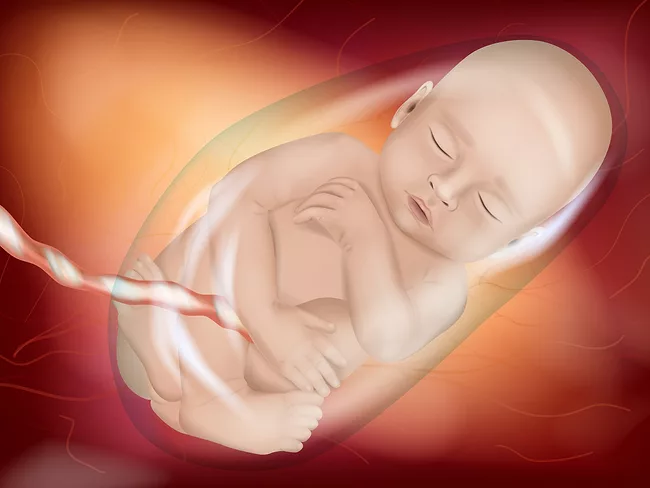
Aging is part of the life cycle and, although the effects are not manifest until after adulthood, it actually occurs from birth. The concept of senescence has traditionally been associated with aging. However, an embryo has senescent cells. In that case, what is aging, how can it be measured, and from what point in the life cycle?
An abnormal epigenetic modification of RNA could be related to senescence and aging disorders, pointing towards the enzyme methyltransferase-like 1 (METTL1) as a potential therapeutic target.
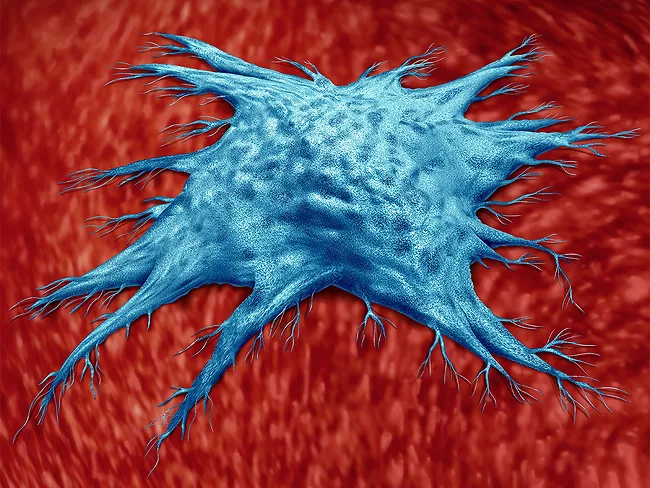
Senescence is a hallmark of aging, and senescent cells have a reputation to match. They are ‘zombie cells,’ sort of dead themselves but alive enough to poison their surroundings through senescence-associated secretory phenotype (SASP). The reality, though, is more complex.
A computational program based on single-cell transcriptome sequencing has identified six types of senescent cells, enabling the design of more precise senolytic drugs. The success of these compounds depends on their ability to recognize senescent cellular patterns and avoid proliferating cells, differentiated cells, or quiescent (temporarily resting) cells.
Scientists at Massachusetts General Hospital have linked the risk of heart failure during pregnancy and senescence proteins produced by placental aging, which could clarify how peripartum cardiomyopathy (PPCM) is triggered and opens the door to the development of cardiac function therapies in late pregnancy.
CAR T cells could be repurposed to target senescent cells and delay the effect of aging. A study by scientists at Cold Spring Harbor Laboratory showed how to design them and demonstrated the advantages of this therapy in mice. “We only gave one dose, and we could have benefits [for] really long periods of time,” lead author Corina Amor told BioWorld.
It has been previously demonstrated that genetic variability of thioredoxin reductase 1 (TXNRD1) is associated with aging and age-associated phenotypes. Researchers from MD Anderson Cancer Center have now conducted work to assess the role of TXNRD1 in regulating tissue aging.
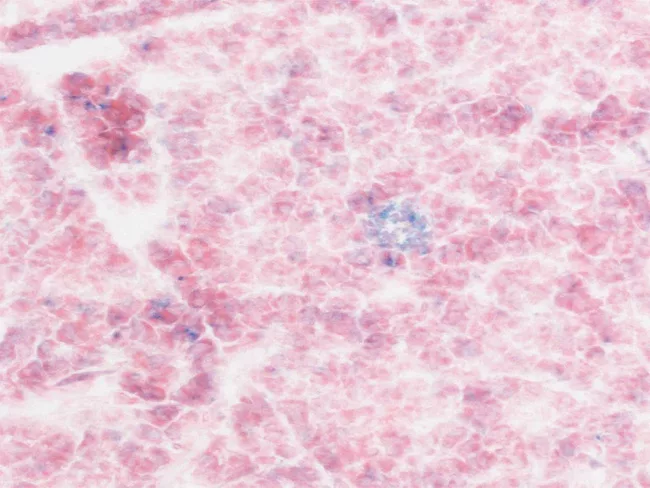
With age, senescent cells become detrimental to tissues. Mayo Clinic scientists have observed this phenomenon in the lung alveoli, where senescent macrophages accumulated in aging tissue and in early stages of non-small-cell lung cancer (NSCLC) driven by the Kras oncogene. “We found that the macrophages were present in the earliest stages of the disease. Strategies targeting these cells for elimination or preventing their accumulation would be worthwhile to test in other conditions (assuming we find they occur),” Darren Baker, a Mayo Clinic senescent cell biologist and senior author of the study, told BioWorld.
Integrated Biosciences Inc., an early-stage startup that is combining synthetic biology and machine learning in the hunt for drugs that tackle cell senescence, has demonstrated its capabilities in a newly published study in Nature Aging on May 4, 2023, which employed artificial intelligence to identify three novel compounds that are highly selective for Bcl-2 and that exhibit favorable medicinal chemistry profiles.
Integrated Biosciences Inc., an early-stage startup that is combining synthetic biology and machine learning in the hunt for drugs that tackle cell senescence, has demonstrated its capabilities in a newly published study in Nature Aging on May 4, 2023, which employed artificial intelligence (AI) to identify three novel compounds that are highly selective for Bcl-2 and that exhibit favorable medicinal chemistry profiles.