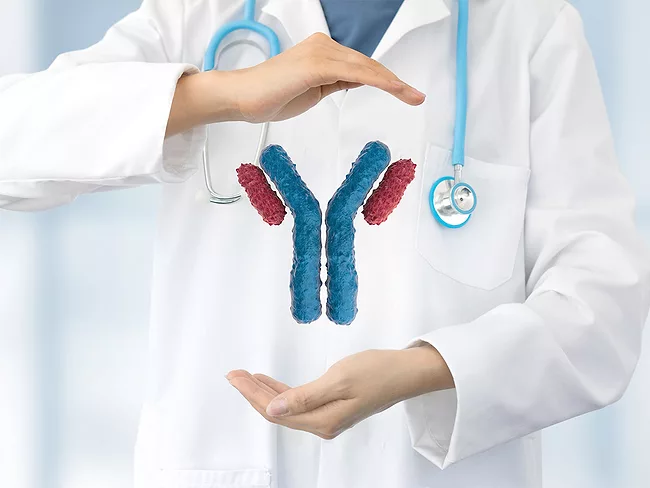
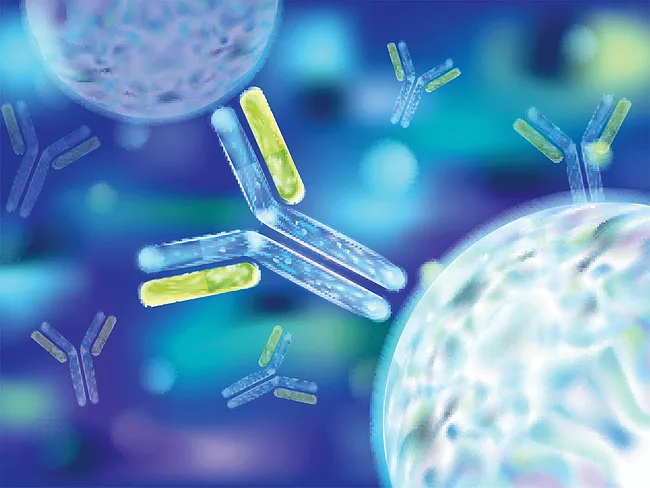
Chugai Pharmaceutical Co. Ltd. has signed a collaboration agreement with GSK plc’s Global Health Unit (GSK GH) for the development of an anti-dengue virus antibody. Under this agreement, GSK GH will perform activities and explore potential funding for the initiation of clinical studies of AID-351.
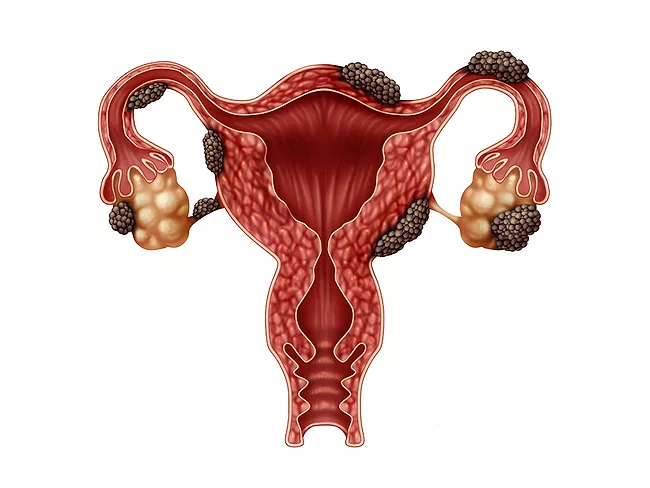
Endometriosis has been woefully under-recognized in the medical community, and consequently, the delay between onset and diagnosis is often quite long, with some women waiting up to 12 years for a diagnosis. Endometriosis affects about 10% of women, and about 190 million women worldwide live with endometriosis.
Endometriosis has been woefully under-recognized in the medical community, and consequently, the delay between onset and diagnosis is often quite long, with some women waiting up to 12 years for a diagnosis.
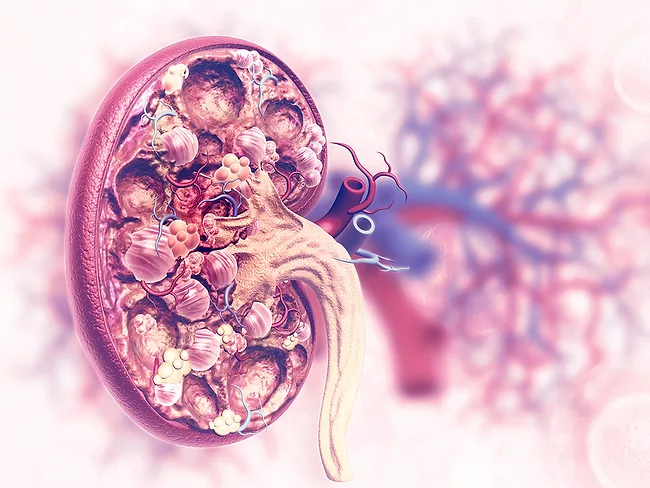
Although antifibrotic agents can contribute to suppressing renal function decline when administered in combination with existing treatments for chronic kidney disease, drugs targeting kidney fibrosis have yet to reach the clinic.
Claudin-6 (CLDN6) is a tight junction protein that has been found to be up-regulated in around 20 different types of cancer, among them ovarian, endometrial and germ cell tumors. Conventional T-cell engagers (TCEs), although effective, may be improved with costimulation to overcome T-cell exhaustion due to CDE3 stimulation alone.
Neuromyelitis optica spectrum disorder (NMOSD) is an autoimmune demyelinating disorder of the optic nerves and the spinal cord that is linked to the presence of anti-aquaporin (AQP4) autoantibodies. Satralizumab, a humanized anti-IL-6 receptor (IL-6R) antibody, has been approved for the treatment of NMOSD but the effects of IL-6R inhibition in myelitis severity have not been fully explored.
After decades of being woefully under-diagnosed and all but ignored by the biotech and pharma industry, recent advances in understanding its complex etiology could be opening the way to new treatments for endometriosis. Impetus is coming from (modest) increases in funding for basic research, such as the Biden administration’s $200 million for women’s health research and NIH grants under an ‘Advancing cures and therapies and ending endometriosis diagnostic delays’ call announced in March of this year.
Patients with celiac disease have gluten-specific CD4+ T cells that recognize gluten via disease-associated human leukocyte antigen (HLA) molecules, specifically HLA-DQ2.5, leading to immune activation and enteropathy.
After flying high in 2022, digital therapeutics (DTx) companies crashed to Earth in 2023 and scrambled to identify a path to profitability, or at least continued viability.