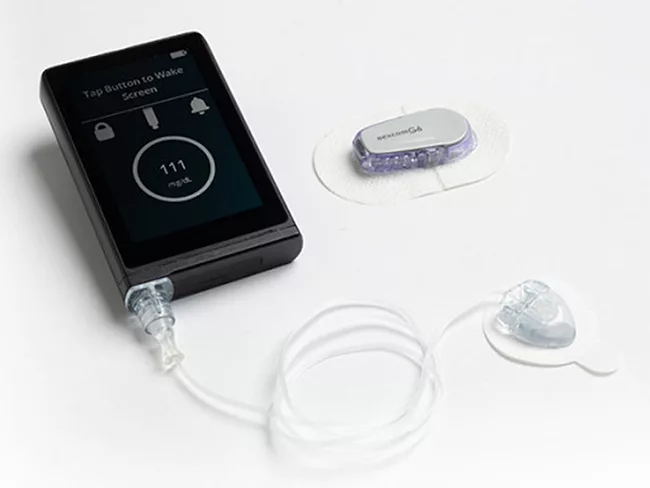
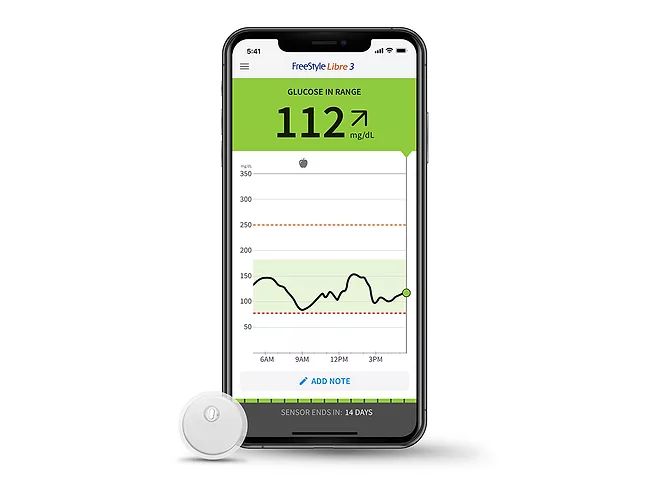
Over the last year, diabetes technology saw significant changes, including the acceleration of patch pumps, ever-smaller continuous glucose monitors (CGM), implanted CGMs and increased interest in devices that measure additional chemicals in blood without needles.
The rapid adoption of the Omnipod 5 answered a question automated insulin delivery system manufacturers posed for years: with clear health benefits and payer coverage, why has pump adoption been so slow? Insulet Corp.’s Omnipod 5’s rapid rise to dominance demonstrated unequivocally that people with diabetes want a stick-and-forget device. The American Diabetes Association’s 85th Scientific Sessions in Chicago on June 20-23 made just as clear that pump makers received the message with several companies outlining plans to introduce a patch system in the next two years.
Pregnant women with type 1 diabetes who used a hybrid closed loop automated insulin delivery system averaged more than three additional hours per day in their recommended glucose range than those who managed their diabetes with insulin injections or non-automated pump systems, a study presented at the 85th Scientific Sessions of the American Association in Chicago demonstrated.
For people with type 1 or type 2 diabetes and the companies developing technologies to help them, the International Conference on Advanced Technologies & Treatments for Diabetes delivered an abundance of good news. On the type 1 diabetes front, Insulet Corp.’s RADIANT study demonstrated massive improvement in time in range as well as lower glycemic levels for patients switching from multiple injections to the Omnipod 5 automated insulin delivery system.
Beta Bionics Inc. kicked off the new year with plans for an initial public offering of 7.5 million shares “as soon as practicable.” Expected to be priced at $14 to $16 per share, the IPO would gross $105 million to $120 million for the insulin delivery device maker.
Medtronic plc looks to establish a moat around its diabetes pump position with an exclusive global partnership with Abbott Laboratories to develop a Freestyle Libre-based CGM that works with Medtronic’s smart dosing devices and insulin pump.
All eyes were on Tandem Diabetes Care Inc.’s presentation of the tiny Mobi pump at a standing-room-only event during the American Diabetes Association’s 84th Scientific Sessions in Orlando. In addition to showcasing the 18 ways the device can be worn, Tandem highlighted results from its user survey which found that 86% of respondents reported that the device improved their quality of life.
Results presented at the American Diabetes Association’s 84th Scientific Sessions in Orlando this weekend demonstrated significant reductions in blood glucose and insulin requirements in people with type 2 diabetes using Insulet Corp.’s Omnipod 5 automated insulin delivery (AID) system, providing a solid base for the company’s expansion into a much larger market.
Dexcom Inc. and Insulet Corp. both reported introductions of their products into new countries on the eve of the 2024 American Diabetes Association annual meeting in Orlando, Fla. The two firms also announced the U.S. launch of Insulet’s Omnipod 5 tubeless automated insulin delivery system with connectivity to Dexcom’s G7, the company’s latest generation continuous glucose monitor.
The U.S FDA approved Camaps FX for use in pregnant women with type 1 diabetes. This first, hybrid, closed-loop app was developed by Camdiab Ltd., a spinout from Cambridge University, allows individuals aged two years and older with type 1 diabetes to manage their glucose levels.