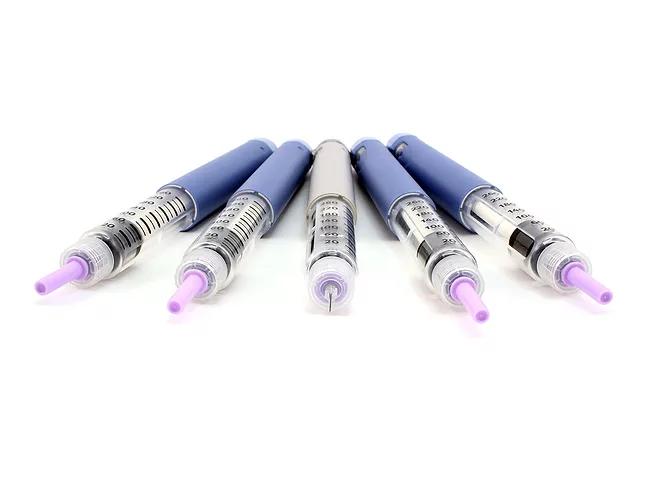
With the biggest biosimilar launch in the U.S. just days away, Humira’s (adalimumab) record-breaking ride is quickly slowing down, but the Abbvie Inc. mega-blockbuster immunology drug is nowhere near the end of its road. Meanwhile, the U.S. journey is just beginning for the eight adalimumab biosimilars that could come to market as early as July 1 through licensing agreements with Abbvie. Besides revving their engines against Humira, the new launches will be looking to overtake Amgen Inc.’s biosimilar, Amjevita, which got a five-month headstart in the U.S., thanks to the first-mover status Amgen earned for being the first to sign a licensing agreement with Abbvie.
Even though the EU had approved more than a dozen biosimilars by 2012, the follow-on biologics were still in their embryonic stage around the world when BioWorld published The Biosimilars Game: A Scorecard for Opportunities, Threats and Critical Strategies in early 2013. Now, nearly a decade later, the global biosimilar landscape has matured with many more biosimilars approved across the globe, but the uptake, and thus the savings, is not what some policy makers and people in industry had hoped for or expected.
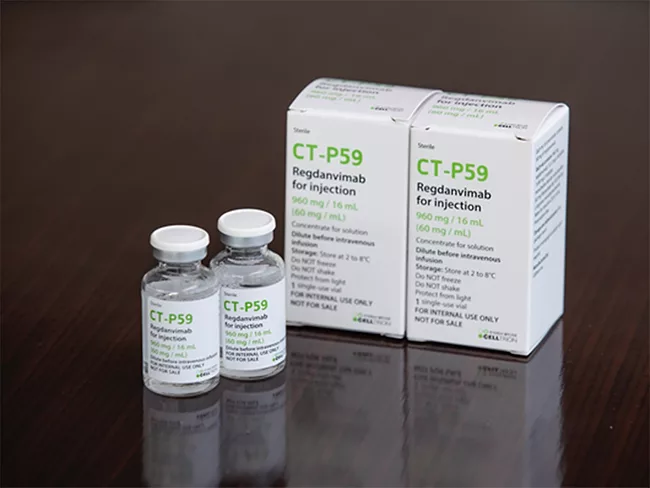
Celltrion Inc.’s Regkirona (regdanvimab), a monoclonal antibody treatment for COVID-19, received its latest approval from the European Commission (EC), making it the first Mab developed in South Korea to be approved there. The green light for Celltrion Healthcare Hungary Kft., the Hungarian arm of Korean biopharmaceutical company Celltrion, is for the treatment of adults with COVID-19 aged 18 and over who do not require supplemental oxygen and who are also at increased risk of severe disease.
Celltrion Inc. recently received FDA emergency use authorization (EUA) for its Diatrust COVID-19 Ag home test. “With the FDA approval, we will now prioritize getting the test kits to the U.S. and into users’ hands as soon as possible,” a spokesperson for the Incheon, South Korea-based Celltrion told BioWorld. The test kits will be distributed through Celltrion’s U.S. arm, Celltrion USA Inc. Celltrion is currently in the final stage of negotiations with the U.S. government, as well as online and offline distributors.
Celltrion Inc. is riding high after receiving full approval for Regkirona (regdanvimab), as a treatment for COVID-19 in South Korea, seven months after the Ministry of Food and Drug Safety (MFDS) granted it conditional marketing approval in February 2021.
Celltrion Inc. has bagged its first green light outside Asia for its COVID-19 monoclonal antibody Regkirona (regdanvimab) with an emergency use authorization in Brazil. Brazil’s Anvisa gave the EUA for the drug to treat high-risk adult patients, including those aged 65 or older, with mild and moderate COVID-19 symptoms on Aug. 11. The regulator reached its decision on the drug, also known as CT-P59, via a unanimous vote.
Celltrion Inc. has bagged its first green light outside Asia for its COVID-19 monoclonal antibody Regkirona (regdanvimab) with an emergency use authorization in Brazil. Brazil’s Anvisa gave the EUA for the drug to treat high-risk adult patients, including those aged 65 or older, with mild and moderate COVID-19 symptoms on Aug. 11. The regulator reached its decision on the drug, also known as CT-P59, via a unanimous vote.
More than a decade after the Biologics Price Competition and Innovation Act became law and nearly six years after the first biosimilar launched in the U.S., the country’s first potential interchangeable is on deck awaiting an FDA decision.
As a first step in developing a portfolio of COVID-19 therapies, the European Commission identified five promising candidates June 29, including four monoclonal antibodies under rolling review at the EMA and an immunosuppressant that could have its marketing authorization extended to include the treatment of COVID-19 infections.
New phase III data on Celltrion Inc.'s COVID-19 therapy, regdanvimab, showed it reduced the risk of hospitalization or death related to the disease for high-risk patients to 3.1% vs. 11.1% for placebo by day 28 of the study. The treatment also proved beneficial to participants across all risk categories, reducing their risk of hospitalization or death to 2.4% vs. 8% for placebo at the same time point.