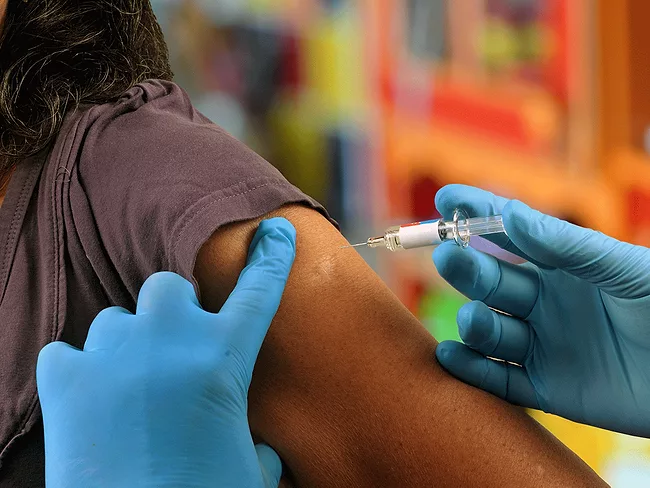
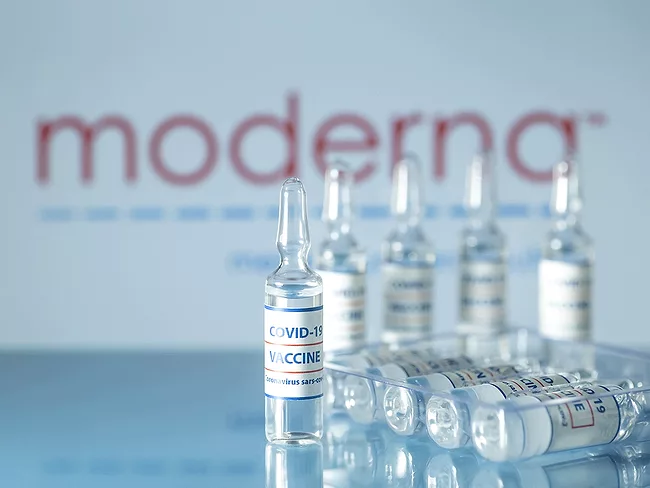
Right on cue, the U.S. FDA authorized bivalent COVID-19 vaccines from Moderna Inc. and Pfizer Inc.-Biontech SE to be given as boosters at least two months following a primary vaccine series or a previous booster. “These updated boosters present us with an opportunity to get ahead of the next wave of COVID-19,” FDA Commissioner Robert Califf said, following the Aug. 31 announcement.
Although it’s a latecomer to the COVID-19 pandemic in the U.S., there is a wedge of opportunity for Novavax Inc.’s adjuvanted protein-based vaccine among the 10% of the U.S. adult population that has yet to get a first jab.
Instead of “Mother, may I” for COVID-19 vaccines for children 6 months through 5 years of age, the U.S. CDC is saying the correct response is “I should.” That was the recommendation June 18 from the CDC’s Advisory Committee on Immunization Practices. CDC Director Rochelle Walensky wasted no time in endorsing the recommendation, which came just a day after the FDA authorized the vaccines from Moderna Inc. and Pfizer Inc.-Biontech SE for babies, toddlers and preschoolers.
More than two years into the COVID-19 pandemic and nearly 18 months since a vaccine was first available for adults, the U.S. is on the cusp of having vaccines available to the youngest Americans.
Two days after the U.S. FDA authorized a single booster dose of the Pfizer Inc.-Biontech SE COVID-19 vaccine for children ages 5 to 11, the U.S. CDC’s Advisory Committee on Immunization Practices (ACIP) gave its blessing to the third dose.
The U.S. FDA’s efficacy bar for COVID-19 vaccines for the youngest children may be lower than the 50% required for the adult vaccines, according to Peter Marks, director of the agency’s Center for Biologics Evaluation and Research.<
The U.S. COVID-19 vaccine program is at risk of “booster fatigue,” which will undermine public confidence in the vaccines, several members of the CDC’s Advisory Committee on Immunization Practices (ACIP) said April 20 as they met to discuss the future of the vaccines. Rather than relying on boosters, “we need to use our expertise to advocate for something that’s better,” something that resolves the ill effects of COVID-19, whether it’s mild or severe, said Lynn Bahta, an immunization program clinical consultant for the Minnesota Department of Health.
The CDC’s Advisory Committee on Immunization Practices (ACIP) has unanimously recommended the agency endorse administering Moderna Inc.'s COVID-19 vaccine, Spikevax (elasomeran), to adults. The vote was a strong echo of the FDA’s full approval of the vaccine for adults only a few days earlier, on Jan. 31. After hearing safety and efficacy data from Moderna and an internal analysis of that data from the CDC, ACIP recommended by a vote of 13-0 that the CDC endorse the vaccine’s use for people 18 years and older.
Within hours of a Jan. 5 vote on COVID-19 boosters for adolescents, U.S. CDC Director Rochelle Walensky endorsed the Advisory Committee on Immunization Practices’ (ACIP) recommendation that all adolescents aged 12-17 years should receive a booster dose five months after their primary series. The recommendation applies to the Pfizer Inc.-Biontech SE COVID-19 vaccine, as it’s the only one authorized in the U.S. for use in adolescents.
Once the CDC accepts the recommendation of its Advisory Committee on Immunization Practices (ACIP), the COVID-19 vaccine regimen, at least for the Pfizer Inc.-Biontech SE vaccine, will include a booster dose for everyone 12 and older. ACIP voted 13-1 at a Jan. 5 emergency meeting to recommend the booster dose for 12- to 17-year-olds at least five months after a primary series of the Pfizer vaccine.