Immortality and eternal youth have been the stuff of myths and legends from ancient times on. Now, in the 21st century, real studies of current medicine could be applied to repair tissues and organs damaged by age. During the 11th Aging Research & Drug Discovery (ARDD) Meeting held at the University of Copenhagen at the end of August, scientists explained the molecular keys of rejuvenation, as many artists imagined in the past.
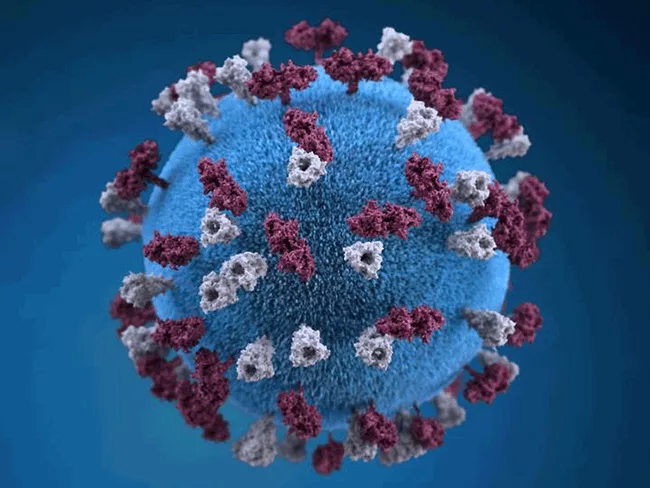
Researchers from Columbia University and collaborators described the mechanism used by mAb 77, a single-chain variable fragment (scFv) derived from monoclonal antibody (mAb 77.4) targeting MeV F peptide, to neutralize viral infection.
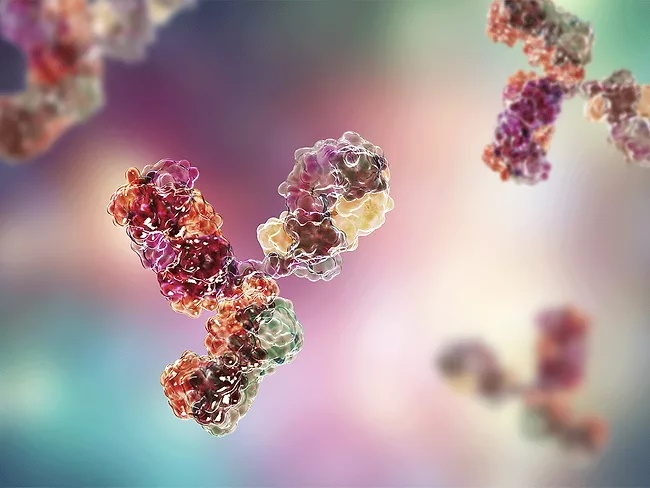
Immunoglobulin G (IgG), an antibody that participates in the response to infection, could have a specific role in metabolism. During aging, it accumulates in certain tissues inducing metabolic dysfunction and fibrosis of fat tissue. This effect could be prevented through an intracellular receptor that contributes to the delivery of IgG. A team of researchers from Columbia University and Peking University (PKU) demonstrated that reducing excess IgG improved the metabolic health of aged mice and increased their life expectancy.
Research led by Columbia University investigators has shed light on the immune pathway of the intestinal damage caused in celiac disease after gluten consumption. As reported in the July 14, 2023, issue of Science Immunology, the investigators showed an important role for cytotoxic T cells in addition to gluten-specific CD4+ T cells in the onset of celiac disease symptoms in a range of people with the condition.
A nutritional supplement to reduce the effects of aging might not be a pill of eternal youth, but it could reduce many of the problems of getting old while maintaining good health. The first step to achieve this is included in a study led by scientists from Columbia University. They have set their sights on the amino acid taurine.
Thylacine Biotherapeutics Inc. has entered into a license agreement with Columbia University for worldwide exclusive rights to develop and commercialize a novel antiviral peptide platform invented and refined at Columbia.
Tonix Pharmaceuticals Holding Corp. has exercised an option to obtain an exclusive license from Columbia University for the development of a portfolio of fully human (TNX-3600) and murine (TNX-4100) monoclonal antibodies for the treatment or prophylaxis of SARS-CoV-2 infection.
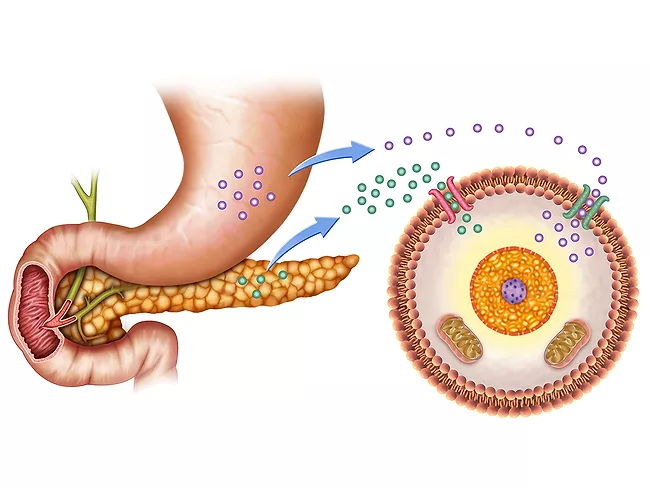
Insulin secretion by pancreatic β cells is a fundamental component of glucose homeostasis. Aldehyde dehydrogenase 1 family member A3 (ALDH1A3) is a molecule involved in pancreatic β-cell dedifferentiation, leading to cell failure, and a marker of type 2 diabetes progression.
A new epigenetic editing technique has restored the functionality of neurons in Rett syndrome (RTT), a rare neurodevelopmental disease associated with a mutation of the MECP2 gene on the X chromosome. The origin of this disorder is a heterozygous mutation of the MECP2 (methyl CpG-binding protein 2) gene. Homozygosity is lethal and as it is associated with the X chromosome; Rett mostly affects girls, inhibiting the development of their motor skills and communication.