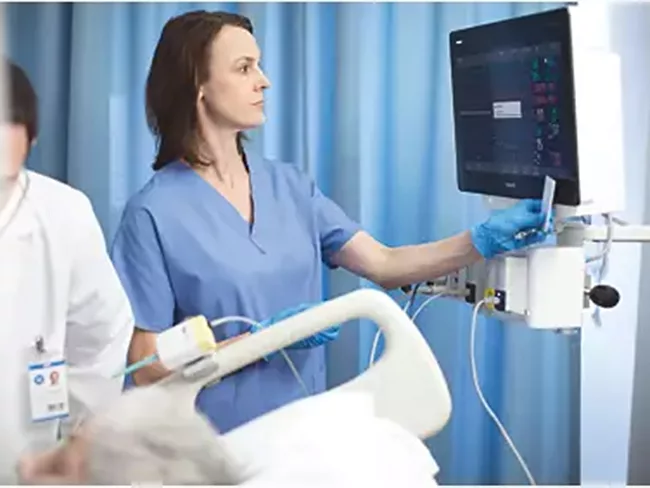
Royal Philips NV and Masimo Corp. received U.S. FDA clearance that allows the activation of Sedline brain function monitoring, regional oximetry and carbon dioxide measurements in Philips Intellivue MX750 and MX850 patient monitors, which will streamline decision-making for clinicians by eliminating the need for separate pieces of monitoring equipment. The integrated equipment can help clinicians more quickly assess and monitor cerebral oxygenation, anesthetic sedation and patient respiratory performance using the same monitor.
The U.S. FDA has granted 510(k) clearance to GE Healthcare Technologies Inc. for its Precision DL for PET/CT, an artificial intelligence (AI) and deep learning (DL)-powered software designed to sharpen quality and improve efficiencies in medical imaging. Part of the company’s Effortless Recon DL portfolio, the technology is available on GE’s Omni Legend PET/CT digital scanner.
The U.S. FDA granted clearance to two tests developed by Thermo Fisher Scientific Inc. to predict preeclampsia, Brahms PIGF plus Kryptor and Brahms sFlt-1 Kryptor. Both had previously received breakthrough designation. Preeclampsia, a hypertensive disorder, is the leading cause of maternal and fetal mortality and morbidity across the globe.
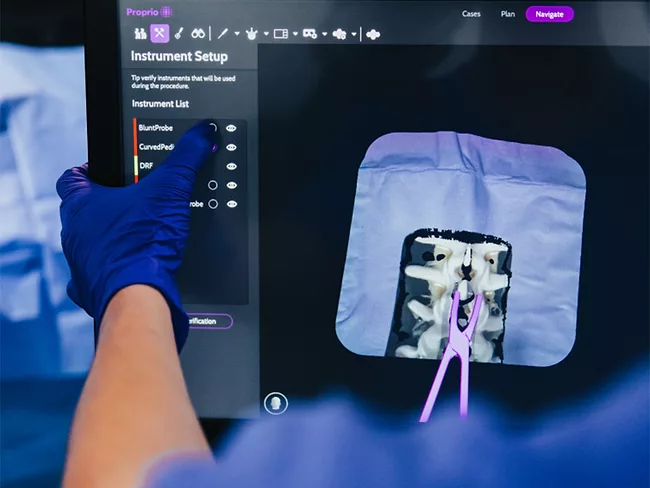
A surgical navigation platform developed by Proprio Inc., that is intended to replace traditional surgical technologies which produce harmful radiation and can impede surgical workflow, won U.S. FDA 510 (k) clearance.
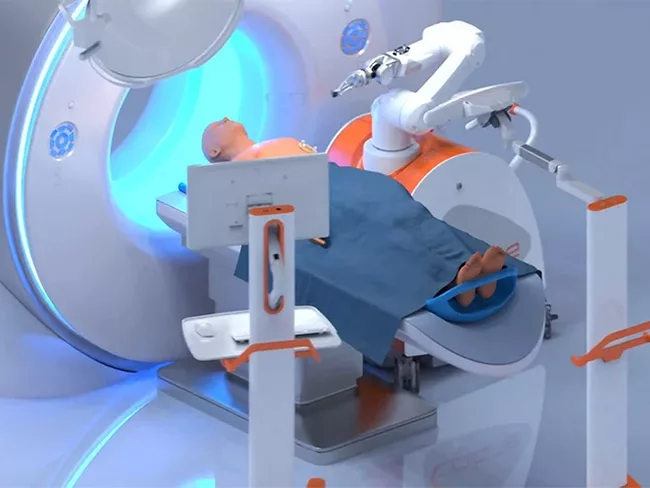
Quantum Surgical SAS has obtained an extension to the FDA authorization covering its Epione robot, which can now treat abdominal cancers. “This decision now allows physicians to treat all abdominal tumors at an early stage and will ramp implementation of our Epione robotics solution in the U.S.,” said Bertin Nahum, CEO and co-founder of Quantum Surgical. Marketed in Europe and the U.S., the Epione robot has already been used to treat more than 150 patients with liver or kidney cancer.
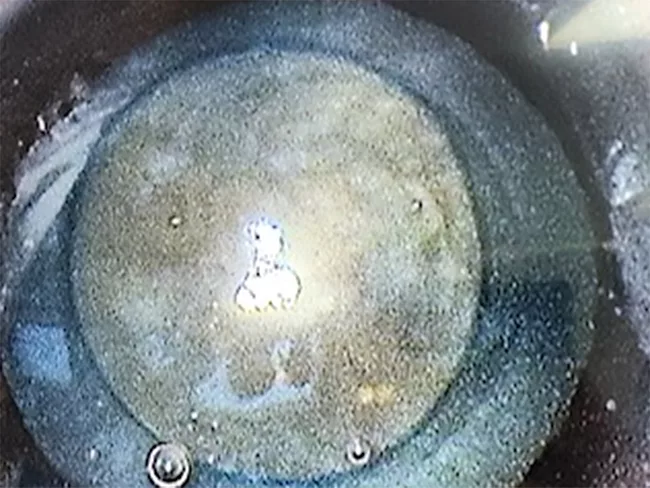
Centricity Vision Inc. received U.S. FDA clearance for technology designed to integrate with modern phacoemulsification or “phaco” systems that use ultrasound energy to emulsify the eye's native internal lens during cataract surgery. Centricity’s new Zeptolink interocular lens (IOL) positioning system is used in conjunction with phaco systems to surgically remove the natural lens of the eye as the first step in cataract surgery.
Elidah Inc. expanded its line of U.S. FDA-cleared, over-the-counter devices to reduce or eliminate urinary incontinence in women with the launch of Elitone Urge for urge incontinence. The device is a muscle stimulator that can be worn under clothes as the user goes about her day and rebuilds muscle tone.
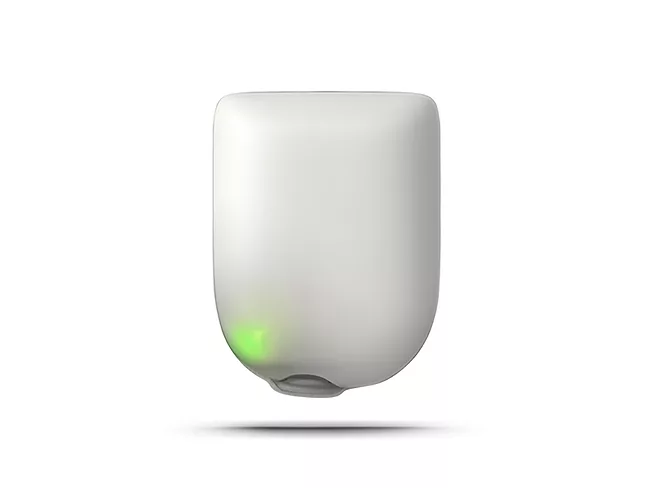
Insulet Corp. has taken the lead in the race to bring insulin delivery systems to individuals with type 2 diabetes with U.S. FDA clearance of its Omnipod Go device. The delivery system is adapted for use by adults who use once-a-day basal insulin. The company plans to roll out Go in 2024.
Rapidai Inc. received FDA 510(k) clearance for its Rapid NCCT Stroke technology, the latest tool in its portfolio of non-contrast-based solutions for shock and trauma care. The company claims it is the first and only medical device cleared by the agency to detect suspected intracranial hemorrhage (ICH) and large vessel occlusion (LVO) from value-based CT imaging.
The U.S. FDA has cleared Aroa Biosurgery Ltd.’s 510(k) for its Enivo pump and catheter, which are key components of the company’s new Enivo tissue apposition platform. The device applies negative pressure to a surgical site, helping to reduce fluid accumulation following surgery. It has been cleared for use in removing surgical and bodily fluids from a closed wound for hematoma and seroma prophylaxis following plastic surgery or other general surgeries where large flaps are formed.