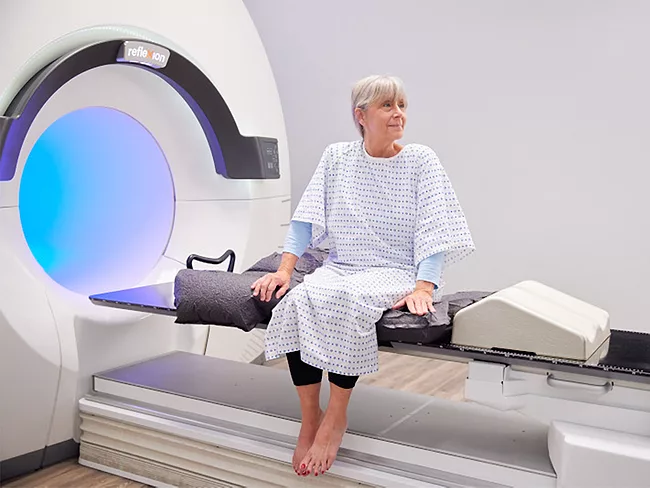
Reflexion Medical Inc. has been granted U.S. FDA marketing clearance for biology-guided radiotherapy to treat early and late-stage cancers. An expansion of the company’s existing X1 platform, Scintix is indicated for patients with lung and bone tumors which may arise from primary cancers or from metastatic lesions spread from other cancers in the body.
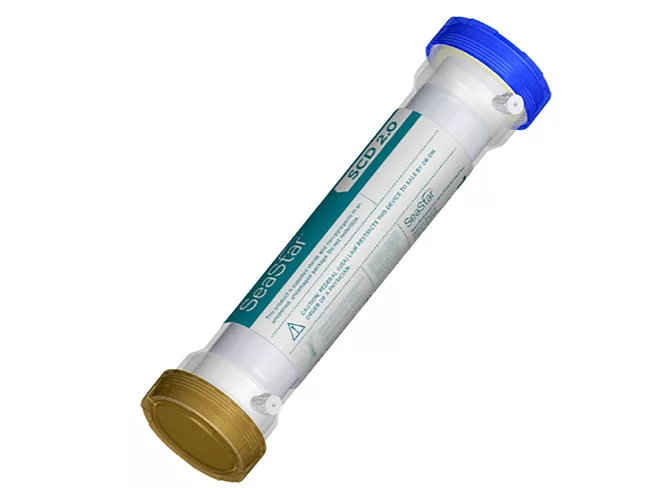
The U.S. FDA has cleared the way for Seastar Medical Holding Corp.. to conduct a pivotal IDE study of its Selective Cytopheretic Device (SCD) in adults with acute kidney injury (AKI). The Denver-based company plans to begin enrolling patients as early as next month.
Feeling “ashamed” of having to use metal flesh-piercing forceps to stabilize the cervix during the insertion of intrauterine contraceptive devices, David Finci a gynecologist and co-founder of Aspivix SA, turned to his brother Julien, a medical device engineer, for his thoughts on how to design a more suitable instrument.
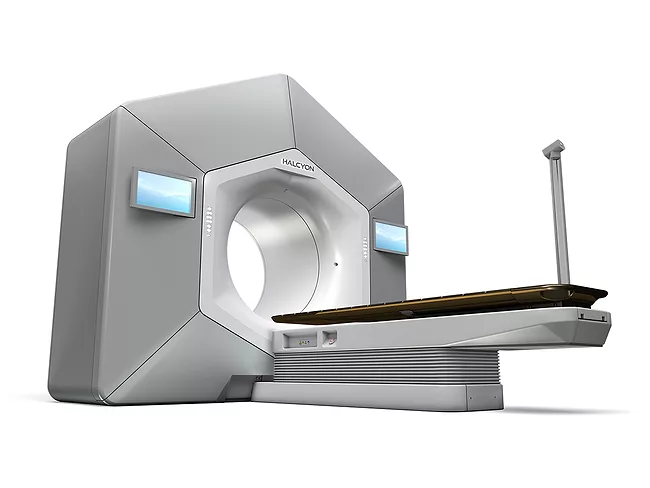
Varian’s Halcyon and Ethos radiotherapy systems received two regulatory nods in short succession, with both U.S. FDA 510(k) clearance and CE marking. In addition, the company reported that the first patient in the world underwent treatment with a Halcyon system with Hypersight last week.
Ottawa-based start-up Realize Medical Inc. reported U.S. FDA clearance of virtual reality (VR) surgical planning software to help physicians create and share complex patient anatomy from CTs and MRIs in an immersive 3D environment. Company CEO Justin Sutherland told BioWorld clearance of the Elucis platform “is a crucial milestone” that will benefit hospitals and his company well into the future.
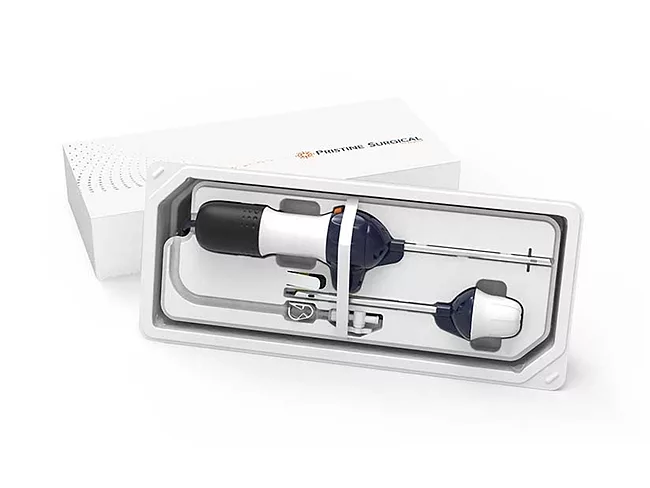
The U.S. FDA has cleared a first-of-its-kind 4K single-use arthroscope developed by Pristine Surgical LLC to improve the efficiency, consistency, and safety of arthroscopic procedures. The single-use Summit surgical arthroscope is said to deliver a high-definition image using a simple set up and automated inventory management system for improved predictability and workflow.
Selux Diagnostics Inc. received U.S. FDA 510(k) clearance for its next generation phenotyping (NGP) system, a rapid antibiotic susceptibility test (AST) platform that determines a bacteria’s susceptibility to 14 specific antimicrobial agents in less than six hours. Prompt identification of the narrowest effective antimicrobial for an infection is critical to the battle to preserve the efficacy of critical antibiotics and slow the development of ‘superbug’ infections.
The U.S. FDA has given the green light to Abbott Laboratories Inc. for its Navitor next-generation transcatheter aortic valve implantation (TAVI) system for the treatment of patients with aortic valve stenosis who are at increased risk of open-heart surgery. Abbott won European approval of Navitor in May 2021.
Act Genomics (Hong Kong) Ltd. won U.S. FDA approval for its genomic profiling test for solid tumors, Actonco. This marks the first time an Asia-based company has received FDA clearance for a comprehensive genomic profiling test.
The U.S. FDA’s 510(k) program is yet again under assault, this time from the authors of a Jan. 10 article in the Journal of the American Medical Association (JAMA). The authors’ primary point seems to be that any 510(k) devices that recite a predicate that is the subject of at least three recalls are themselves more likely than average to be the subject of a recall, although there was no discernible association between recall status and technological differences between the predicate and the follow-on devices.