Cardiovascular Systems Inc. (CSI) reported the submission by its partner Innova Vascular Inc. of U.S. FDA premarket notification for thrombectomy devices to treat peripheral vascular disease. Already an acknowledge leader in atherectomy technologies, St. Paul, Minn.-based CSI intends to acquire and commercialize each device to expand its technology portfolio to include treatment of deep vein thrombosis (DVT) and pulmonary embolism (PE).
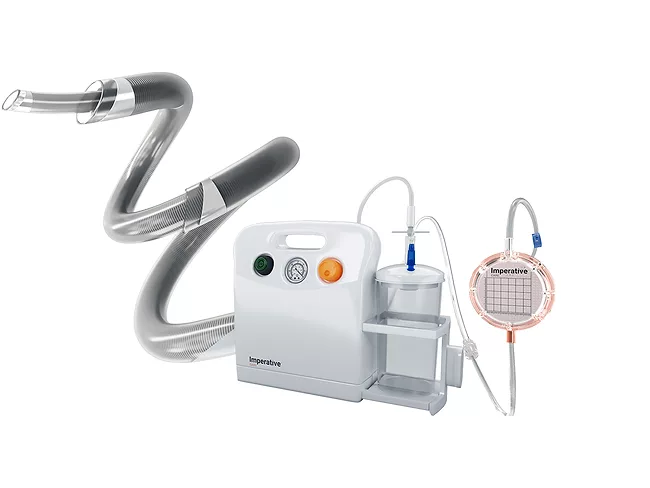
Imperative Care Inc. received U.S. FDA 510(k) clearance for its Zoom Rdl radial access system for treatment of ischemic strokes. The device is designed to enhance radial access for removal of clots in patients with tortuous anatomy and other challenges to the femoral access typically used, providing more options for both patients and physicians.
Biocorp Production SA has been awarded 510(k) clearance from the U.S. FDA to market Mallya as a medical device that connects insulin pens. The news, out on Dec. 8, led Biocorp’s stock price to jump 32.69% to $21.52.
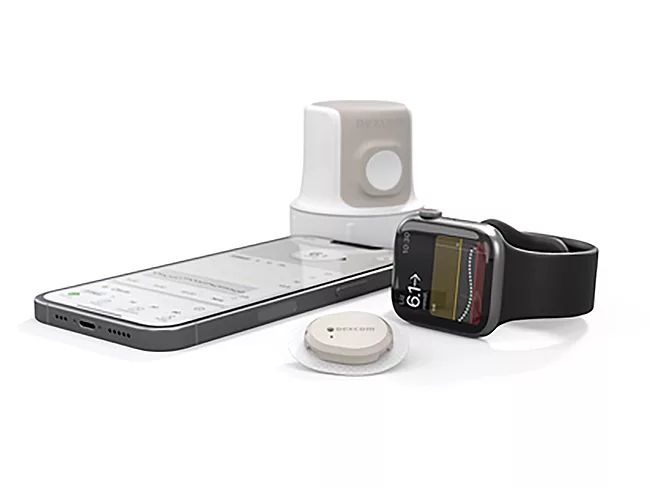
Dexcom Inc. ends 2022 on a high note with broad clearance from the U.S. FDA for its G7 continuous glucose monitoring system (CGM). The long-awaited 510(k) clearance encompasses use in people with all types of diabetes age two and older, positioning Dexcom to take advantage of expanded coverage of CGMs to include individuals on basal insulin-only for Medicare beneficiaries as proposed by CMS in October.
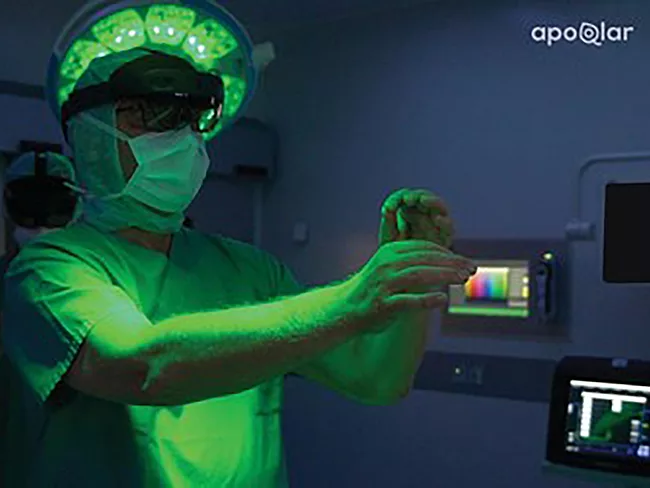
Apoqlar GmbH received a green light from the FDA for its VSI Holomedicine, a mixed reality software enabling surgeons to plan procedures in an immersive 3D experience. The company expects to release the technology for clinical use in the U.S. in the second quarter of 2023.
Rapidai Inc. received U.S. FDA 510(k) clearance for release of intracranial hemorrhage (ICH) triage technology that reduces notification fatigue in doctors swamped by calls to treat hemorrhages that turn out to be false positives. In a test sample sent to the regulatory agency, the artificial intelligence (AI)-powered system demonstrated a sensitivity rating of 97% detecting genuine hemorrhages and 100% specificity for a false positive rate of zero.
After getting its 510(k) application rejected by the U.S. FDA for its AI-enabled Salix coronary anatomy software (SCA), Australian medical technology company, Artrya Ltd. scored regulatory approvals in the UK and in the EU.
Acotec Scientific Holdings Ltd. obtained marketing approval from the U.S. FDA for its peripheral support catheter Vericor, designed to enhance access to peripheral vessels.
The new EU Medical Devices Regulation (MDR) is not going down well with Swiss medical technology manufacturers. At a conference held on Oct. 19 in Bern, Switzerland on introducing the new EU MDR, the Swiss medical technology association, Swiss Medtech, which represents more than 700 firms, put out a harsh and definitive statement.
Limacorporate SpA reported U.S. FDA approval for Prima, its new shoulder platform focused on versatility and operating roam efficiency. “For the first time in our history, both the glenoid base plate and humeral stem are fully 3D-printed, leveraging our long legacy in additive manufacturing,” Massimo Calafiore, CEO of Limacorporate, told BioWorld.