Insight Lifetech Co. Ltd. listed on the Shanghai Stock Exchange’s STAR market via an unprofitable biotech track reinstated last year, with the Feb. 5 IPO raising ¥998.64 million (US$143.93 million).
Insight Lifetech Co. Ltd. listed on the Shanghai Stock Exchange’s STAR market via an unprofitable biotech track reinstated last year, with the Feb. 5 IPO raising ¥998.64 million (US$143.93 million).
Two recent trials in cardiovascular disease took critical steps toward addressing ongoing and deadly disparities in cardiac care by focusing entirely on women.
Atherectomy devices play a key role in dealing with calcified coronary arteries. But a study presented at this year’s Transcatheter Cardiovascular Therapeutics demonstrates that angioplasty balloons made a lot of headway in this clinical area, potentially pushing atherectomy devices into the fringes of routine practice.
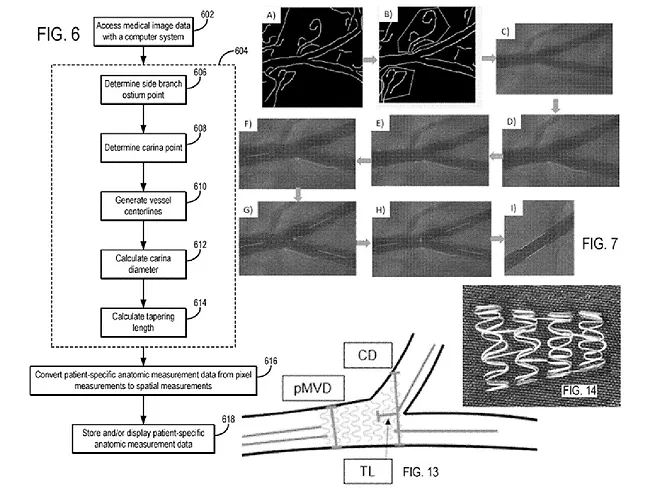
Researchers from the University of Arkansas have filed for protection of their development of systems and methods to aid angioplasty procedures in coronary artery bifurcations, where a major artery splits into smaller blood vessels.
Boston Scientific Corp. is hoping to help change European guidelines on the use of intravascular imaging during percutaneous coronary intervention procedures, Emile Mehanna, medical affairs and medical education director, interventional cardiology, EMEA, told BioWorld.
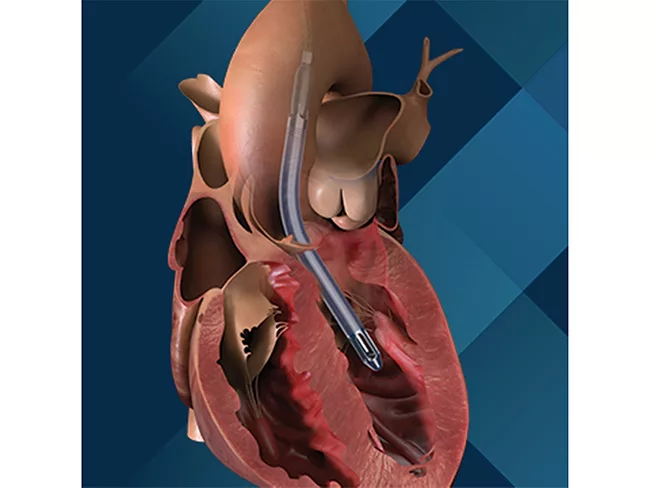
The U.S. FDA posted notice of a medical device correction of Abiomed Inc.'s Impella series of left-side blood pumps because of the risk of perforation of the left ventricle during device placement. The FDA noted that it has received 129 reports of serious injury and 49 reports of fatalities associated with these devices, but did not indicate whether device malfunction was the source of these adverse events. Abiomed advises customers that the device should be implanted “with special care” in patients during active cardiopulmonary resuscitation, and to review some updated warnings in the product’s instruction for use statement.
On March 1, Boston Scientific Corp.’s Agent drug-coated balloon (DCB) became the first DCB to gain U.S. FDA approval for treatment of in-stent restenosis in patients with coronary artery disease. With more than 100,000 patients already treated in Europe, Latin America and Japan, it’s no secret Agent provides significant benefit compared to balloon angioplasty or drug-eluting stents (DES) for the approximately 10% of patients with coronary stents who experience subsequent narrowing of the treated vessel.
The EU approved the first drug-coated balloon for treatment of in-stent restenosis nearly a decade ago, but U.S. physicians continue to have their hands tied in treating the fairly common problem. Results from Boston Scientific Corp.’s investigational device exemption trial for its Agent paclitaxel-coated balloon presented in San Francisco at Transcatheter Cardiovascular Therapeutics could finally put the tool in the hands of cardiologists. The device demonstrated a nearly 50% reduction in the risk of target lesion revascularization and target vessel myocardial infarction compared to conventional balloon angioplasty.
Pulse Medical Technology Inc. obtained breakthrough device designation from the FDA for its fourth generation μFR system, which would accelerate the commercialization of the device. “The fourth generation μFR system is currently not available on the market, but Pulse Medical is preparing for the marketing approval of the product in the U.S.,” Jingfeng Han, director of science division at Pulse Medical, told BioWorld.